 EN
EN
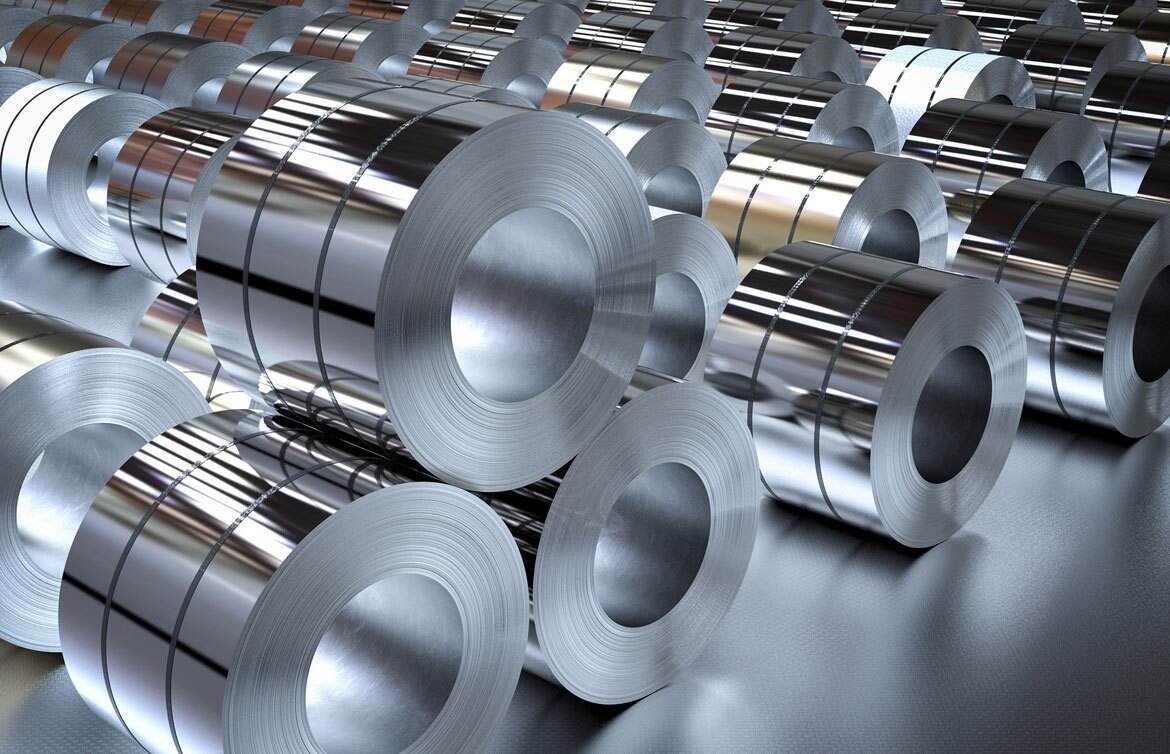
When procurement teams evaluate material options for precision manufacturing, cold rolled steel consistently stands out as a benchmark for dimensional accuracy and surface consistency. Cold rolled steel is produced through a controlled rolling process conducted below the metal's recrystallization temperature, which imparts tighter tolerances and superior flatness compared to hot rolled alternatives. For industries where part dimensions directly affect assembly fit, structural integrity, and downstream processing efficiency, choosing certified cold rolled steel is not simply a preference — it is a quality-driven engineering decision.

Yangang certified cold rolled steel is produced under rigorous process controls and third-party certification standards that verify both material composition and dimensional performance. When buyers source cold rolled steel from a certified mill, they gain access to documented tolerance data that supports quality audits, traceability requirements, and engineering specifications. Understanding exactly what dimensional tolerance advantages cold rolled steel offers — and why certification amplifies those advantages — helps manufacturers make better sourcing decisions from the start.
Dimensional Tolerance Precision in Cold Rolled Steel
What Tight Tolerances Mean in Practice
Cold rolled steel is manufactured to significantly tighter thickness tolerances than hot rolled steel. While hot rolled steel may carry thickness variations of several tenths of a millimeter, cold rolled steel routinely achieves tolerances within plus or minus 0.05 millimeters across the coil width. This level of precision in cold rolled steel means that stamping dies, bending tools, and roll-forming machines can be calibrated with confidence, reducing scrap rates and improving part repeatability. For high-volume production runs, even a marginal reduction in thickness deviation across cold rolled steel coils translates to measurable cost savings.
Width and length tolerances in cold rolled steel are equally controlled. Certified cold rolled steel supplied in slit coil or cut-to-length sheet format maintains consistent edge straightness and flatness that supports automated feeding in press lines and laser cutting systems. When cold rolled steel dimensions fall within certified tolerance ranges, downstream operators spend less time on adjustment and correction. The predictable geometry of cold rolled steel reduces machine downtime and supports faster cycle times in production environments.
Surface Flatness and Profile Consistency
Beyond thickness and width, cold rolled steel offers flatness tolerances that are critical for applications requiring uniform surface contact or precise stacking. Cold rolled steel coils processed with tension leveling or roller leveling exit the mill in a near-flat condition, making them immediately suitable for precision blanking and fine-blanking operations. The controlled rolling passes that define cold rolled steel processing also reduce internal stress gradients, which means that cold rolled steel sheets are less prone to spring-back deviation when formed. This characteristic makes cold rolled steel the preferred choice for automotive body panels, electrical enclosures, and appliance housings.
How Certification Strengthens Cold Rolled Steel Tolerance Reliability
Mill Certification and Third-Party Verification
Certification adds a layer of confidence that goes beyond standard mill production. Yangang certified cold rolled steel comes with mill test reports that document measured thickness, width, mechanical properties, and chemical composition for each coil or batch. These reports allow quality engineers to verify that the cold rolled steel received matches the specifications ordered without relying solely on incoming inspection. In industries governed by ISO, IATF 16949, or equivalent quality management standards, sourcing cold rolled steel with certified documentation supports compliance audits and reduces supplier qualification risk.
Third-party certification of cold rolled steel also signals that the production process has been independently evaluated against defined performance benchmarks. Cold rolled steel produced under certified conditions benefits from statistical process control monitoring at rolling, annealing, and skin-passing stages. This continuous oversight ensures that cold rolled steel dimensional tolerances remain stable across production runs and do not drift outside specified limits due to equipment wear or process variation. Buyers sourcing cold rolled steel for long-term projects can therefore expect consistent quality across multiple deliveries.
Traceability and Specification Compliance
Traceability is one of the most practical benefits that certified cold rolled steel delivers to industrial buyers. Each coil of certified cold rolled steel carries identification linked to heat numbers, rolling records, and inspection results. If a dimensional issue arises during production, the cold rolled steel traceability chain allows quality teams to isolate and investigate specific batches quickly. This capability shortens the resolution cycle and protects production schedules. Cold rolled steel without full traceability documentation exposes manufacturers to risk when non-conforming material reaches assembly or forming stages.
Applications Where Cold Rolled Steel Tolerances Matter Most
Automotive and Precision Stamping
The automotive sector relies on cold rolled steel for a wide range of structural and cosmetic components. Body panels, door inners, and chassis reinforcements are all commonly produced from cold rolled steel because the tight thickness tolerances ensure consistent forming outcomes. In progressive die stamping, cold rolled steel with certified dimensional accuracy reduces tool wear and maintains part geometry across millions of strokes. Automotive suppliers that specify certified cold rolled steel in their material standards reduce the likelihood of dimensional rejects and warranty claims related to material inconsistency.
Cold rolled steel is equally important in fine-blanking applications where burr height and edge quality depend directly on material thickness uniformity. When cold rolled steel thickness varies beyond tolerance, fine-blanked parts develop uneven shear zones that compromise functional dimensions. Specifying certified cold rolled steel eliminates this source of variability and allows fine-blanking tool designers to optimize clearances for consistent edge quality throughout the tool life.
Electrical, HVAC, and Consumer Products
Electrical enclosures, switchgear panels, and HVAC ductwork rely on cold rolled steel for its combination of formability, surface quality, and dimensional consistency. Cold rolled steel sheets with certified flatness tolerances can be roll-formed into enclosure profiles without waviness or misalignment at joints. In consumer appliances, cold rolled steel outer panels benefit from tight thickness tolerances that ensure paint and coating layers achieve uniform adhesion and visual quality. Certified cold rolled steel supports both functional and aesthetic performance across these demanding product categories.
FAQ
What tolerance ranges are typical for certified cold rolled steel thickness?
Certified cold rolled steel typically achieves thickness tolerances within plus or minus 0.03 to 0.08 millimeters depending on the nominal gauge and width. These ranges are tighter than hot rolled alternatives and are documented in mill test certificates accompanying each shipment of cold rolled steel.
How does cold rolled steel certification benefit procurement and quality audits?
Cold rolled steel certification provides documented proof of dimensional and mechanical compliance for each batch. Quality auditors can cross-reference cold rolled steel mill certificates against purchase order specifications, supporting ISO and IATF 16949 audit requirements. This documentation also simplifies supplier qualification and re-qualification processes for cold rolled steel sourcing.
Can cold rolled steel tolerances affect downstream coating or finishing processes?
Yes. Consistent cold rolled steel thickness tolerances directly influence coating uniformity in electro-galvanizing, powder coating, and paint processes. When cold rolled steel dimensions vary beyond specified limits, coating thickness can become uneven, leading to corrosion risk or appearance defects. Certified cold rolled steel minimizes this risk by ensuring stable substrate dimensions throughout the production run.