Cold Rolled Steel Cost: Comprehensive Guide to Pricing, Quality, and Value

All Categories

Get a Free Quote

Our representative will contact you soon.
Email
Name
Company Name
Message
0/1000

cold rolled steel cost

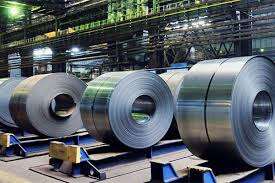
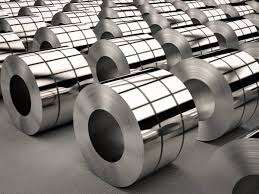
Cold rolled steel cost represents a crucial consideration in modern manufacturing and construction industries. This specialized steel processing method involves rolling previously hot rolled steel at room temperature, resulting in tighter dimensional tolerances, improved surface finish, and enhanced mechanical properties. The cost structure encompasses various factors including raw material prices, processing expenses, market demand, and finishing requirements. Typically, cold rolled steel commands a higher price point compared to hot rolled variants due to the additional processing steps and superior quality outcomes. The cost varies based on thickness specifications, ranging from thin gauge sheets to medium thickness strips, with prices fluctuating according to global steel market conditions. Understanding cold rolled steel costs is essential for project planning, as it directly impacts product quality, durability, and overall project economics. The material finds extensive applications in automotive components, appliance manufacturing, construction materials, and precision engineering, where dimensional accuracy and surface quality are paramount. Market dynamics, including supply chain considerations, energy costs, and production capacity, significantly influence the final pricing structure of cold rolled steel products.

New Product Recommendations

Cold rolled steel cost efficiency manifests in multiple ways that benefit end users and manufacturers alike. The primary advantage lies in the material's superior surface finish, which often eliminates the need for additional finishing processes, thereby reducing overall production costs. The enhanced dimensional accuracy achieved through cold rolling minimizes material waste and reduces machining requirements, leading to significant cost savings in downstream processing. Additionally, the improved strength characteristics of cold rolled steel often allow for the use of thinner gauge material while maintaining required performance specifications, resulting in material cost optimization. The predictable and consistent quality of cold rolled steel reduces rejection rates and quality control costs, contributing to better production economics. From a lifecycle perspective, the superior wear resistance and durability of cold rolled steel products often translate to longer service life and reduced maintenance costs. The material's excellent formability and weldability reduce processing time and labor costs in manufacturing operations. Modern cold rolling processes have become increasingly energy efficient, helping to stabilize production costs despite fluctuating energy prices. The material's versatility allows for cost effective customization to meet specific application requirements, while its widespread availability ensures competitive pricing through multiple supply channels. The standardization of cold rolled steel grades and specifications facilitates easier sourcing and more accurate cost projections for project planning.

Latest News

Jiangsuyansteel to Showcase Solar Mounting Solutions at The Smarter E Europe 2025

09

Jul

Jiangsuyansteel to Showcase Solar Mounting Solutions at The Smarter E Europe 2025

View More
Jiangsu Yansteel & HBIS ChengSteel Partner to Advance High-Performance Materials for Renewable Energy

09

Jul

Jiangsu Yansteel & HBIS ChengSteel Partner to Advance High-Performance Materials for Renewable Energy

View More
Jiangsu Yansteel & POSCO (Thai) Partner to Meet Thailand’s Growing Demand for High-Quality Specialty Steel in Appliance Manufacturing

09

Jul

Jiangsu Yansteel & POSCO (Thai) Partner to Meet Thailand’s Growing Demand for High-Quality Specialty Steel in Appliance Manufacturing

View More

Get a Free Quote

Our representative will contact you soon.
Email
Name
Company Name
Message
0/1000

cold rolled steel cost

Cost Effective Quality Enhancement

Cost Effective Quality Enhancement

Cold rolled steel's cost effectiveness in quality enhancement stems from its unique processing methodology. The controlled deformation at room temperature creates a superior surface finish and tighter tolerances without requiring additional finishing operations. This inherent quality improvement mechanism translates to significant cost savings in downstream processing. The material's enhanced mechanical properties, achieved through strain hardening during the cold rolling process, enable the use of thinner gauges while maintaining strength requirements, offering substantial material cost reductions. The precision and consistency of the cold rolling process minimize variation in material properties, reducing quality control costs and material waste. These quality improvements are achieved through a single processing step, making it more economical than alternative methods requiring multiple operations.
Market Price Stability and Accessibility

Market Price Stability and Accessibility

The cold rolled steel market demonstrates remarkable price stability due to established production processes and widespread manufacturing capabilities. The mature supply chain infrastructure supports competitive pricing through multiple sourcing options. Global production capacity helps buffer against regional supply disruptions, maintaining price stability. The standardization of grades and specifications enables accurate cost comparisons and facilitates informed purchasing decisions. The material's broad availability through various distribution channels helps maintain competitive pricing structures. Modern inventory management systems and just in time delivery options help optimize procurement costs and reduce storage expenses. The predictable nature of cold rolled steel pricing allows for better long term project planning and cost forecasting.
Processing Cost Optimization

Processing Cost Optimization

Cold rolled steel offers significant processing cost optimization through reduced material handling and simplified manufacturing processes. The superior surface finish and dimensional accuracy minimize secondary processing requirements, leading to direct labor and equipment cost savings. The material's excellent formability reduces tooling wear and extends equipment life, contributing to lower maintenance costs. The consistent material properties ensure reliable automated processing, reducing operator intervention and associated labor costs. Energy efficiency in modern cold rolling operations helps control processing costs despite varying utility rates. The material's predictable behavior in forming and welding operations reduces setup time and process optimization costs. These processing advantages contribute to overall manufacturing efficiency and cost reduction.

Get a Free Quote

Our representative will contact you soon.
Email
Name
Company Name
Message
0/1000