Grain Oriented Steel Price: Comprehensive Guide to Market Trends and Value Propositions

All Categories

Get a Free Quote

Our representative will contact you soon.
Email
Name
Company Name
Message
0/1000

grain oriented steel price

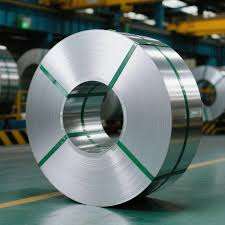
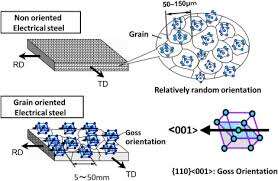
Grain oriented steel price represents a crucial economic indicator in the electrical steel market, reflecting the value of this highly specialized material engineered for optimal magnetic properties. This sophisticated steel variant, characterized by its unique crystal structure aligned in the rolling direction, serves as a fundamental component in power distribution transformers and other electromagnetic equipment. The price structure is influenced by multiple factors, including raw material costs, manufacturing complexity, and market demand. Modern production techniques involve precise temperature control, careful chemical composition management, and specialized rolling processes to achieve the desired magnetic properties. The material's price often correlates with its silicon content, typically ranging from 3% to 4.5%, which significantly affects its magnetic performance. Market dynamics show that grain oriented steel price fluctuations can impact the overall cost structure of transformer manufacturing and energy infrastructure projects. The pricing mechanism also considers the grade of the material, with higher grades commanding premium prices due to their superior magnetic properties and lower core loss characteristics. Recent technological advancements in production methods have introduced new variables to the pricing structure, particularly in terms of thickness control and domain refinement techniques.

New Product Recommendations

The pricing structure of grain oriented steel offers several distinct advantages for buyers and manufacturers in the electrical equipment industry. First, the transparent pricing system enables accurate cost projection for long-term infrastructure projects, allowing companies to plan their investments effectively. The price differentiation based on grades provides flexibility in choosing materials that best match specific application requirements and budget constraints. Despite the relatively higher initial cost compared to conventional steel, the superior magnetic properties result in significant energy savings over the equipment's lifetime, offering a compelling total cost of ownership proposition. The established global pricing mechanisms facilitate international trade and ensure competitive market conditions. Quality-based pricing tiers encourage manufacturers to maintain high production standards, benefiting end-users through reliable product performance. The market's responsiveness to technological improvements incentivizes continuous innovation in production processes, leading to better products at optimized costs. Additionally, the price structure often includes volume-based incentives, enabling economies of scale for larger projects. The correlation between price and performance specifications helps buyers make informed decisions based on their specific needs. Regional price variations reflect local market conditions and logistics costs, providing opportunities for strategic sourcing. The pricing model also considers the material's recyclability, contributing to sustainable manufacturing practices and potential cost recovery at the end of the product lifecycle.

Latest News

Jiangsuyansteel to Showcase Solar Mounting Solutions at The Smarter E Europe 2025

09

Jul

Jiangsuyansteel to Showcase Solar Mounting Solutions at The Smarter E Europe 2025

View More
Jiangsu Yansteel & HBIS ChengSteel Partner to Advance High-Performance Materials for Renewable Energy

09

Jul

Jiangsu Yansteel & HBIS ChengSteel Partner to Advance High-Performance Materials for Renewable Energy

View More
Jiangsu Yansteel & POSCO (Thai) Partner to Meet Thailand’s Growing Demand for High-Quality Specialty Steel in Appliance Manufacturing

09

Jul

Jiangsu Yansteel & POSCO (Thai) Partner to Meet Thailand’s Growing Demand for High-Quality Specialty Steel in Appliance Manufacturing

View More

Get a Free Quote

Our representative will contact you soon.
Email
Name
Company Name
Message
0/1000

grain oriented steel price

Market-Responsive Pricing Structure

Market-Responsive Pricing Structure

The grain oriented steel price mechanism demonstrates remarkable adaptability to market conditions, incorporating both immediate market dynamics and long-term industry trends. This sophisticated pricing structure accounts for various factors including raw material availability, production capacity utilization, and global demand patterns. The system's responsiveness ensures fair market value while maintaining stability through carefully managed price adjustments. This approach benefits both suppliers and buyers by providing predictable cost frameworks while allowing for necessary market-driven price movements. The structure includes provisions for different grades and specifications, enabling precise cost allocation based on specific application requirements.
Cost-Efficiency in High-Performance Applications

Cost-Efficiency in High-Performance Applications

When evaluating the grain oriented steel price in relation to its performance benefits, the material presents compelling value propositions for high-efficiency electrical applications. The premium pricing reflects the advanced manufacturing processes and superior magnetic properties that result in reduced energy losses during operation. This translates to substantial cost savings over the equipment's operational lifetime, particularly in large-scale power distribution systems. The price-to-performance ratio becomes increasingly favorable as energy costs rise, making it an economically sound choice for long-term infrastructure investments.
Supply Chain and Pricing Transparency

Supply Chain and Pricing Transparency

A key feature of the grain oriented steel price system is its transparency and integration with global supply chain mechanisms. The pricing structure incorporates clear documentation of cost components, from raw material inputs to processing and delivery charges. This transparency enables buyers to make informed decisions and negotiate effectively. The system also includes mechanisms for managing price volatility through various contractual arrangements, providing stability for both suppliers and customers. Regular market reports and price indices help maintain pricing clarity and facilitate fair competition in the global marketplace.

Get a Free Quote

Our representative will contact you soon.
Email
Name
Company Name
Message
0/1000