 EN
EN
When engineers and procurement managers evaluate long-term infrastructure materials, hot dipped galvanized pipes consistently rank among the most trusted options for corrosion protection. The claim that hot dipped galvanized pipes can last 50 years or more without maintenance is frequently repeated in construction and industrial circles, but is it accurate? The honest answer is: it depends. Hot dipped galvanized pipes are genuinely capable of exceptional longevity, but achieving that 50-year benchmark requires specific environmental conditions, proper installation, and a realistic understanding of what 'without maintenance' actually means in practice.
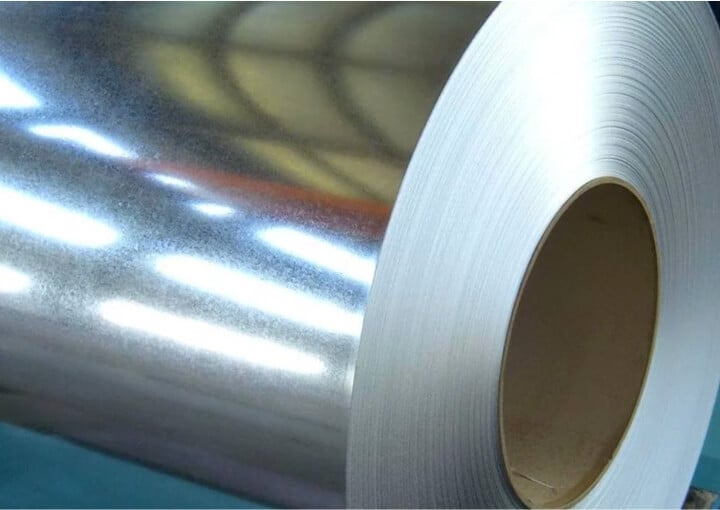
Hot dipped galvanized pipes are steel pipes coated with a layer of zinc through immersion in a molten zinc bath. This zinc layer creates a metallurgical bond with the steel surface, forming a barrier that actively resists corrosion. Unlike paint or surface coatings, the zinc in hot dipped galvanized pipes does not simply sit on top of the steel — it becomes part of it. This fundamental characteristic is what gives hot dipped galvanized pipes their well-earned reputation for durability, and it is the starting point for any honest evaluation of their 50-year performance potential.
How Zinc Coating Protects Hot Dipped Galvanized Pipes
The Barrier and Sacrificial Protection Mechanism
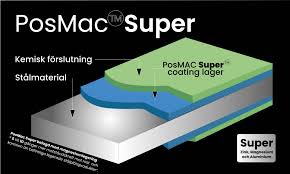
Hot dipped galvanized pipes resist corrosion through two complementary mechanisms. First, the zinc coating acts as a physical barrier, preventing moisture and oxygen from reaching the steel beneath. Second, zinc serves as a sacrificial anode — even if the coating is scratched or slightly damaged, the zinc surrounding the exposed steel continues to corrode preferentially, protecting the base metal. This dual action is what makes hot dipped galvanized pipes significantly more resilient than pipes that rely on barrier coatings alone. In moderate atmospheric environments, the zinc layer on hot dipped galvanized pipes corrodes at an extremely slow rate, often as little as one to two microns per year.
Zinc Thickness and Its Role in Long-Term Durability
The lifespan of hot dipped galvanized pipes is directly related to the thickness of the zinc coating. Standard hot dipped galvanized pipes produced according to international specifications carry a zinc coating of 45 to 85 microns or more, depending on the pipe wall thickness and the applicable standard. Thicker zinc coatings extend service life because they take longer to deplete through corrosion. When hot dipped galvanized pipes are specified for projects with longevity targets of 50 years or beyond, coating thickness requirements should be explicitly stated and verified. Simply ordering hot dipped galvanized pipes without specifying minimum zinc thickness introduces risk that the coating may fall short of long-term performance expectations.
Environmental Conditions That Determine a 50-Year Lifespan
Environments Where Hot Dipped Galvanized Pipes Thrive
Hot dipped galvanized pipes perform best and come closest to the 50-year maintenance-free benchmark in rural or suburban atmospheric environments with moderate humidity and low pollution. Inland construction projects, structural framework applications, agricultural facilities, and general outdoor installations in temperate climates are all scenarios where hot dipped galvanized pipes regularly achieve or exceed 50-year service lives. In these conditions, hot dipped galvanized pipes require no active maintenance during their operational life, validating the long-standing claim about their low-maintenance nature. Soil-buried hot dipped galvanized pipes can also perform exceptionally well in neutral or near-neutral pH soils with low chloride content.
Environments That Shorten the Service Life of Galvanized Pipes
Not all environments are favorable for hot dipped galvanized pipes. Coastal and marine environments expose hot dipped galvanized pipes to high chloride concentrations, which accelerate zinc corrosion significantly. Industrial environments with acidic gases, chemical splash exposure, or highly aggressive soils also reduce the effective service life of hot dipped galvanized pipes below the 50-year threshold. Immersed or submerged applications, particularly in treated water systems with low pH, can corrode the zinc coating on hot dipped galvanized pipes far more rapidly than atmospheric exposure. In these demanding conditions, hot dipped galvanized pipes may still outperform uncoated steel, but supplementary protection such as additional coatings or cathodic protection systems should be considered to meet long-term targets.
Realistic Expectations for Maintenance-Free Performance
What 'Maintenance-Free' Really Means for Galvanized Pipes
When industry sources describe hot dipped galvanized pipes as maintenance-free, they typically mean that the pipes do not require periodic repainting, re-coating, or active corrosion intervention under standard service conditions. This is a genuine and well-supported characteristic of hot dipped galvanized pipes in appropriate environments. However, maintenance-free does not mean inspection-free. Sound asset management practice still calls for periodic visual inspection of hot dipped galvanized pipes, particularly at joints, cut ends, and areas where mechanical damage may have occurred during installation. Proactive inspection helps identify any localized zinc depletion early, allowing targeted touch-up before the steel substrate becomes vulnerable.
Installation Quality and Its Impact on Long-Term Performance
Even the highest-quality hot dipped galvanized pipes can fall short of their lifespan potential if installation practices are poor. Cut ends and threaded sections expose bare steel, creating vulnerable points where corrosion can initiate if left unprotected. For hot dipped galvanized pipes used in structural or outdoor applications, cut ends should be treated with zinc-rich paint or cold galvanizing compound immediately after cutting. Proper joint sealing and the use of compatible fittings also matter for hot dipped galvanized pipes used in piping systems. When these installation details are handled correctly, hot dipped galvanized pipes are fully capable of delivering long, low-maintenance service lives that approach or meet the 50-year benchmark in suitable environments.
FAQ
Can hot dipped galvanized pipes last 50 years in all environments?
Hot dipped galvanized pipes can achieve a 50-year or longer service life in moderate atmospheric environments with low pollution and humidity. However, in coastal, marine, or highly industrial environments, the zinc coating on hot dipped galvanized pipes depletes faster, and supplementary protection may be needed to reach that lifespan target.
Do hot dipped galvanized pipes require any maintenance at all?
Hot dipped galvanized pipes are designed for minimal maintenance under standard conditions. While they do not require periodic recoating in favorable environments, responsible practice includes periodic visual inspection of hot dipped galvanized pipes, especially at cut ends, joints, and areas subject to mechanical damage, to confirm the zinc coating remains intact.
How does zinc coating thickness affect the lifespan of hot dipped galvanized pipes?
Zinc coating thickness is one of the most critical factors in determining how long hot dipped galvanized pipes will last. A thicker zinc layer means a larger zinc reserve that must be consumed before the underlying steel is exposed to corrosion. Specifying hot dipped galvanized pipes with adequate coating thickness for the intended service environment is essential when targeting long-term, low-maintenance performance.