 EN
EN
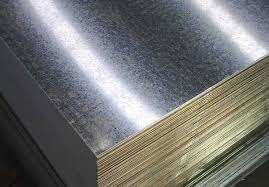
Selecting the right corrosion protection method for trailer frames represents a critical decision that influences durability, maintenance costs, and long-term performance. Trailer frames operate in harsh environments where exposure to moisture, road salt, chemical agents, and mechanical abrasion creates demanding conditions that can rapidly compromise unprotected steel. Two primary zinc-based coating technologies dominate the trailer manufacturing industry: hot dipped galvanized coatings and zinc electroplating. Both methods deposit zinc onto steel substrates to provide sacrificial corrosion protection, yet they differ fundamentally in application processes, coating thickness, durability characteristics, cost structures, and suitability for specific trailer applications. Understanding these distinctions enables manufacturers and fleet operators to make informed decisions that balance initial investment against lifecycle value, ensuring trailer frames deliver reliable service across their intended operational lifespan.
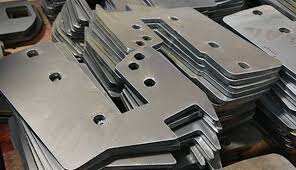
The choice between hot dipped galvanized and zinc plating extends beyond simple cost comparison, requiring careful evaluation of operational requirements, environmental exposure conditions, expected service life, maintenance capabilities, and total cost of ownership. Hot dipped galvanized coatings typically provide thicker zinc layers ranging from 45 to 85 microns, achieved through immersion of steel components in molten zinc at approximately 450 degrees Celsius, creating a metallurgical bond with multiple intermetallic layers beneath the outer pure zinc surface. Conversely, zinc electroplating deposits thinner coatings between 5 and 25 microns through electrochemical deposition from aqueous solutions at ambient temperatures, offering tighter dimensional control and smoother surface finishes. This fundamental difference in coating thickness and formation mechanism drives divergent performance profiles that manufacturers must match to specific trailer application requirements, usage patterns, and budget constraints.
Understanding Coating Formation Mechanisms and Structural Differences
Hot Dipped Galvanized Coating Structure and Formation Process
The hot dipped galvanized process creates a complex multilayer coating structure that begins when cleaned steel components enter molten zinc baths maintained at temperatures between 445 and 455 degrees Celsius. Upon immersion, iron from the steel substrate reacts with liquid zinc to form a series of iron-zinc intermetallic layers designated as gamma, delta, and zeta phases, each with distinct composition gradients and mechanical properties. These intermetallic layers grow through solid-state diffusion during the immersion period, typically lasting between one and five minutes depending on steel chemistry and desired coating weight. Above these metallurgically bonded intermetallic layers sits an outer layer of relatively pure eta zinc that forms as the component exits the molten zinc bath, with final coating thickness controlled through withdrawal speed, zinc temperature, and post-dip processes such as air knives or centrifuging for tubular sections.
This multilayer structure provides exceptional adhesion strength because the coating forms through actual chemical bonding rather than mechanical interlocking alone. The gamma layer immediately adjacent to the steel substrate contains approximately 75 percent iron and 25 percent zinc, creating the strongest metallurgical bond with the base metal. Progressive layers contain decreasing iron content as distance from the substrate increases, with the delta layer containing roughly 90 percent zinc and the zeta layer approximately 94 percent zinc before reaching the outer pure zinc eta layer. This graduated composition transition distributes thermal expansion stresses effectively and prevents coating delamination during temperature cycling or mechanical forming operations. The resulting coating provides both barrier protection through the thick zinc layer and sacrificial cathodic protection where zinc preferentially corrodes to protect exposed steel at cut edges, drilled holes, or surface scratches.
Zinc Electroplating Process Characteristics and Coating Architecture
Zinc electroplating deposits metallic zinc onto steel surfaces through electrochemical reduction of zinc ions in aqueous plating baths, using the steel component as the cathode in an electrical circuit. Plating solutions typically contain zinc sulfate or zinc chloride as primary zinc sources, along with conductivity salts, pH buffers, and brightening agents that influence deposit appearance and grain structure. During the plating process, electrical current drives zinc ions to migrate toward the cathodic steel surface where they accept electrons and deposit as metallic zinc atoms, building up the coating layer by layer at rates typically between 15 and 30 microns per hour depending on current density and bath formulation. Unlike hot dipped galvanized coatings, electroplated zinc forms a single-phase deposit without distinct intermetallic layers, adhering to the steel substrate primarily through mechanical interlocking at the microscopic level rather than chemical bonding.
The electroplating process offers precise thickness control across complex geometries through careful management of current distribution, part positioning, and auxiliary anodes or shields that direct plating current to recessed areas. Modern rack plating systems can achieve coating uniformity within plus or minus 20 percent across most component surfaces, though deep recesses, internal corners, and shielded areas may receive reduced coating thickness. The deposited zinc typically exhibits finer grain structure than hot dipped galvanized coatings, resulting in smoother surfaces with lower surface roughness values, often below 1.5 microns Ra compared to 3 to 6 microns Ra for hot dipped galvanized finishes. This smoother surface proves advantageous for components requiring tight dimensional tolerances, threaded fasteners needing precise fit, or applications where aesthetic appearance carries importance. However, the thinner coating and lack of metallurgical bonding generally produce lower corrosion resistance compared to hot dipped galvanized alternatives when exposed to equivalent environmental conditions.
Comparative Corrosion Performance Analysis for Trailer Applications
Environmental Exposure Conditions and Coating Durability Expectations
Trailer frames encounter diverse corrosive environments throughout their service lives, ranging from relatively benign highway operation in dry climates to severe exposure in coastal regions, winter road salt applications, agricultural chemical environments, or marine transportation scenarios. The hot dipped galvanized coating thickness advantage directly translates to extended corrosion protection duration, with industry corrosion rate data indicating zinc consumption rates between 0.5 and 2.5 microns annually in typical rural atmospheres, 2 to 5 microns annually in industrial or urban environments, and 4 to 8 microns annually in severe marine coastal conditions. A typical hot dipped galvanized coating of 70 microns thickness therefore provides approximately 35 to 140 years of protection in rural settings, 14 to 35 years in urban environments, and 9 to 18 years in coastal locations before zinc depletion exposes the underlying steel substrate to direct corrosion.
Zinc electroplating with typical coating thickness between 8 and 15 microns offers proportionally shorter protection duration, delivering approximately 4 to 30 years in rural atmospheres, 2 to 7 years in urban settings, and 1 to 4 years in coastal environments using the same zinc consumption rate assumptions. For trailer frames expected to provide 15 to 25 years of service life, hot dipped galvanized coatings generally meet or exceed durability requirements in most operating environments without supplemental protective measures. Zinc electroplated frames may require additional top coating systems, more frequent inspection intervals, and proactive maintenance interventions to achieve comparable service life in moderate to severe exposure conditions. The thicker hot dipped galvanized coating also provides superior protection at welds, cut edges, and drilled holes where coating thickness locally reduces, maintaining adequate zinc presence even at these vulnerable locations where electroplated coatings may offer minimal protection.
Mechanical Damage Resistance and Self-Healing Characteristics
Beyond atmospheric corrosion resistance, trailer frames must withstand mechanical impacts from road debris, loading equipment contact, tire throw, and handling damage during maintenance operations. The hot dipped galvanized coating's greater thickness provides enhanced resistance to coating penetration from stone impact, abrasive wear, and mechanical gouging compared to thinner zinc electroplated alternatives. Impact testing data shows hot dipped galvanized coatings typically withstand impacts up to 15 joules before zinc coating penetration exposes steel substrate, while electroplated coatings may show steel exposure at impact energies below 5 joules. This mechanical robustness proves particularly valuable for trailer undercarriage components, suspension attachment points, and lower frame sections subjected to frequent stone impact and abrasive contact with road surfaces.
Both hot dipped galvanized and zinc electroplated coatings provide cathodic protection to exposed steel at coating damage sites, with zinc preferentially corroding to generate zinc corrosion products that migrate to cover and passivate exposed steel surfaces. However, the hot dipped galvanized coating's greater zinc reservoir maintains this sacrificial protection over larger exposed areas and longer time periods before zinc depletion compromises protection effectiveness. Research indicates hot dipped galvanized coatings effectively protect exposed steel areas up to approximately 5 millimeters from the coating edge through cathodic throwing power, while electroplated zinc coatings provide effective protection over distances typically limited to 1 to 2 millimeters. For trailer frames with numerous welded joints, fastener penetrations, and potential damage sites, the enhanced throwing power and zinc reservoir of hot dipped galvanized coatings deliver more robust long-term protection compared to thinner electroplated alternatives.
Manufacturing Considerations and Process Integration Requirements
Component Size Limitations and Processing Equipment Constraints
The hot dipped galvanized process requires complete immersion of components in molten zinc baths, imposing practical limitations based on available kettle dimensions. Standard galvanizing kettles range from 1 to 2 meters in width, 0.8 to 1.5 meters in depth, and 8 to 14 meters in length, accommodating most trailer frame sections and assemblies within these dimensional envelopes. Manufacturers with frame components exceeding available kettle dimensions must either segment designs for separate galvanizing followed by field assembly, locate specialized facilities with larger kettles, or consider alternative coating technologies. The immersion requirement also necessitates component design considerations including adequate drainage holes to prevent zinc trapping, vent holes to allow air escape during immersion, and lifting point provisions for safe handling of components during kettle insertion and removal.
Zinc electroplating systems accommodate larger components through rack plating configurations or specialized plating tanks, with some facilities equipped to plate components up to 6 meters in length and several meters in width and height. The ambient temperature electroplating process eliminates thermal distortion concerns associated with hot dipped galvanized immersion in 450-degree Celsius zinc, providing advantages for components with tight dimensional tolerances or assemblies incorporating temperature-sensitive elements. However, achieving uniform coating distribution across large complex geometries presents greater challenges in electroplating due to current distribution physics, potentially requiring custom fixturing, supplementary anodes, or multiple plating orientations to ensure adequate coating coverage in recessed areas and internal surfaces. The choice between processes must therefore consider not only component size but also geometric complexity and coating distribution requirements.
Steel Chemistry Compatibility and Surface Preparation Requirements
The hot dipped galvanized process exhibits sensitivity to steel composition, particularly silicon and phosphorus content, which influence coating formation kinetics and final appearance. Steels with silicon content between 0.04 and 0.15 percent or above 0.25 percent, known as Sandelin range steels, produce excessively thick brittle coatings with dull gray appearance due to accelerated iron-zinc reaction rates. Similarly, steels with phosphorus content above 0.05 percent may generate coating adhesion problems or bare spot defects. Modern trailer frame steels typically incorporate controlled chemistry to minimize these reactive elements, but manufacturers must verify steel specifications for hot dipped galvanized compatibility, particularly when sourcing materials from multiple suppliers or using recycled steel content with variable composition.
Zinc electroplating demonstrates broader steel chemistry compatibility since the ambient temperature process avoids the high-temperature iron-zinc reactions that create problems in hot dipped galvanized processing. However, electroplating requires more stringent surface preparation to achieve adequate coating adhesion, demanding complete removal of mill scale, rust, oils, and other surface contaminants through mechanical abrasion, acid pickling, or alkaline cleaning sequences. The hot dipped galvanized process benefits from the flux treatment applied immediately before zinc immersion, which chemically reduces residual surface oxides and promotes metallurgical bonding. Both processes require clean steel surfaces, but the metallurgical bonding mechanism in hot dipped galvanized processing provides more forgiving adhesion performance compared to the mechanical interlocking adhesion mechanism in electroplating, where microscopic surface contamination can produce localized coating adhesion failures.
Economic Analysis and Total Cost of Ownership Evaluation
Initial Processing Costs and Budget Planning Considerations
Hot dipped galvanized processing costs typically range from two to four dollars per kilogram of coated steel, varying with component geometry, coating weight specification, batch size, and regional market conditions. The process economics benefit from relatively simple processing sequences involving degreasing, pickling, fluxing, galvanizing, and inspection stages, with molten zinc inventory representing the primary material cost component. Large batch processing capabilities enable efficient throughput for standard trailer frame components, with specialized galvanizing facilities processing hundreds of tons daily. Transportation costs to galvanizing facilities represent an additional consideration, particularly for manufacturers located distant from galvanizing operations, potentially adding 10 to 30 percent to total processing costs depending on shipping distances and component density.
Zinc electroplating costs generally range from one to three dollars per kilogram for standard coating thicknesses, with costs increasing for thicker deposits, complex geometries requiring specialized fixturing, or small batch quantities lacking economies of scale. The electroplating process involves more complex processing sequences including multiple cleaning stages, acid activation, plating, rinsing, chromate conversion coating, and drying operations, with electrical energy and wastewater treatment representing significant operating cost components. While initial processing costs for electroplating may appear lower than hot dipped galvanized alternatives, the thinner coating and reduced durability often necessitate supplemental protective measures such as powder coating or liquid paint systems, adding 1.50 to 4 dollars per kilogram in additional finishing costs that narrow or eliminate the apparent initial cost advantage.
Lifecycle Cost Analysis and Maintenance Expense Projections
Total cost of ownership analysis must extend beyond initial coating costs to encompass expected service life, maintenance requirements, and end-of-life considerations. Hot dipped galvanized trailer frames typically require minimal maintenance beyond periodic washing to remove accumulated road salt and debris, with many installations providing 20 to 30 years of service without recoating or repair in moderate exposure environments. The thick zinc coating tolerates minor surface damage without compromising underlying steel protection, reducing field repair costs and extending maintenance intervals. When eventual recoating becomes necessary, surface preparation costs remain modest since the zinc patina forms a stable base for most coating systems without requiring complete removal to bare steel.
Zinc electroplated frames often require more frequent inspection to identify coating deterioration, localized corrosion initiation, or mechanical damage requiring remedial action. In severe exposure environments, electroplated frames may need supplemental coating application within 5 to 10 years to maintain adequate corrosion protection and extend service life to match hot dipped galvanized performance. These recoating operations involve surface preparation costs, coating material expenses, and operational downtime during maintenance execution, potentially totaling 30 to 50 percent of the original frame value over a 20-year service period. When lifecycle costs are properly evaluated including maintenance expenses, operational downtime, and expected service duration, hot dipped galvanized frames frequently demonstrate superior economic value despite higher initial processing costs, particularly for trailers operated in moderate to severe corrosive environments or applications where extended service life provides strategic business value.
Decision Framework and Application-Specific Selection Guidance
Matching Coating Selection to Operational Requirements and Business Priorities
Selecting between hot dipped galvanized and zinc electroplating for trailer frames requires systematic evaluation of multiple decision factors weighted according to specific business priorities and operational contexts. For fleet operators prioritizing maximum durability and minimal lifecycle costs with trailers operating in moderate to severe corrosive environments such as coastal regions, winter road salt exposure, or agricultural chemical applications, hot dipped galvanized coatings represent the optimal choice despite higher initial processing costs. The thick coating provides decades of maintenance-free service, eliminates recoating requirements, and delivers lowest total cost of ownership when properly evaluated over typical 20 to 30-year trailer service lives. Similarly, applications demanding maximum mechanical damage resistance, such as construction trailers or agricultural equipment subjected to frequent impact and abrasive contact, benefit from the hot dipped galvanized coating's superior thickness and impact resistance.
Conversely, zinc electroplating merits consideration for trailer applications emphasizing dimensional precision, aesthetic appearance, or relatively benign operating environments where thinner coatings provide adequate protection duration. Specialized trailers incorporating precision-machined components, threaded fasteners, or close-tolerance assemblies benefit from electroplating's superior dimensional control and smooth surface finish that hot dipped galvanized processes cannot reliably achieve. Trailers operated exclusively in controlled indoor environments, dry climates with minimal atmospheric corrosivity, or applications with relatively short expected service duration may find electroplated coatings provide sufficient protection at lower initial investment. Manufacturers must honestly assess actual exposure conditions, desired service life, maintenance capability, and budget constraints to select the coating technology aligned with true operational requirements rather than defaulting to lowest initial cost alternatives that may compromise long-term value.
Hybrid Approaches and Supplemental Protection Strategies
Some trailer applications benefit from hybrid coating strategies that leverage the complementary strengths of both zinc coating technologies combined with additional protective measures. Common approaches include hot dipped galvanized structural frame members for maximum corrosion protection paired with electroplated or mechanically plated fasteners, brackets, and precision components where dimensional control carries priority. This strategy delivers robust long-term frame protection while maintaining tight tolerances for connection hardware and adjustable elements. Another proven approach applies supplemental organic coatings over hot dipped galvanized substrates, combining the zinc coating's sacrificial protection with the organic coating's barrier properties and aesthetic appeal, extending overall system life beyond either technology alone while providing customizable appearance options.
For trailers operating in extremely severe environments such as marine applications, chemical plant service, or intensive winter road salt exposure, duplex coating systems applying powder coating or liquid paint over hot dipped galvanized substrates deliver exceptional protection through complementary mechanisms. The hot dipped galvanized coating provides cathodic protection at coating defects, scratches, or damage sites while the organic top coat prevents atmospheric exposure to the zinc surface, dramatically reducing zinc consumption rates and extending protection duration. Research demonstrates properly applied duplex systems provide 1.5 to 2.3 times longer service life than the combined individual protection duration of zinc and organic coatings applied separately, with the synergistic effect most pronounced in severe exposure conditions. These hybrid strategies merit consideration for premium trailer applications where maximum durability justifies incremental coating investment or where aesthetic requirements demand colored finishes unavailable with zinc coatings alone.
FAQ
What is the typical thickness difference between hot dipped galvanized and zinc electroplated coatings on trailer frames?
Hot dipped galvanized coatings on trailer frames typically range from 45 to 85 microns in thickness, with common specifications around 70 microns for structural components. Zinc electroplated coatings are substantially thinner, usually between 8 and 15 microns for standard applications, though specialized heavy electroplate processes can achieve up to 25 microns. This represents a thickness ratio of approximately 4 to 8 times greater zinc depth for hot dipped galvanized coatings, directly translating to proportionally longer corrosion protection duration in equivalent exposure environments. The thickness advantage of hot dipped galvanized coatings provides enhanced mechanical damage resistance and extended sacrificial protection at damaged areas compared to electroplated alternatives.
Can hot dipped galvanized trailer frames be welded after galvanizing without compromising coating protection?
Welding after hot dipped galvanized coating application is feasible but requires special precautions due to zinc vaporization at welding temperatures and the creation of uncoated areas at weld locations. Post-galvanizing welding generates zinc fumes that demand adequate ventilation and respiratory protection, with zinc oxide exposure presenting health hazards to welding operators. The weld zone and heat-affected area lose zinc coating through vaporization, creating vulnerable spots requiring repair with zinc-rich paints, thermal spray zinc, or mechanical zinc peg application to restore corrosion protection. Best practice involves completing all welding operations before hot dipped galvanized processing, designing frames for bolted field assembly rather than field welding, or specifying alternative joining methods such as mechanical fasteners for post-galvanizing connections to maintain comprehensive coating coverage across all surfaces.
How does surface preparation differ between hot dipped galvanized and zinc electroplating processes?
Hot dipped galvanized processing employs a sequential surface preparation regimen including alkaline degreasing to remove oils and organic contaminants, acid pickling in hydrochloric or sulfuric acid to eliminate rust and mill scale, water rinsing, and flux application immediately before zinc immersion. The flux treatment, typically containing zinc ammonium chloride, removes residual surface oxides and promotes metallurgical bonding during the galvanizing reaction. Zinc electroplating requires similarly thorough cleaning through alkaline soak cleaning, electrocleaning, acid activation, and rinsing sequences, but demands higher cleanliness standards since the ambient temperature process lacks the flux reduction chemistry that assists adhesion in hot dipped galvanized processing. Any residual surface contamination can produce coating adhesion failures in electroplating, whereas the metallurgical bonding in hot dipped galvanized processing provides more forgiving performance against minor surface preparation variations.
Which coating method provides better environmental sustainability for trailer frame manufacturing?
Hot dipped galvanized processing generally demonstrates superior environmental sustainability compared to zinc electroplating based on multiple assessment criteria. The galvanizing process operates with approximately 95 percent zinc utilization efficiency, with zinc dross and skimmings fully recyclable back to zinc refiners. Energy consumption per unit coating weight is moderate, and the process generates minimal liquid waste since pickling acids can be regenerated through closed-loop systems. Zinc electroplating involves lower zinc utilization efficiency around 60 to 75 percent, higher electrical energy consumption per unit coating deposited, and generates substantial wastewater volumes containing dissolved metals requiring treatment before discharge. The longer service life provided by thicker hot dipped galvanized coatings reduces lifecycle environmental impact by extending replacement intervals and reducing cumulative manufacturing burden over time. However, modern electroplating facilities with advanced waste treatment and metal recovery systems can achieve respectable environmental performance, making coating durability and lifecycle considerations more significant sustainability differentiators than process chemistry alone.
Table of Contents
- Understanding Coating Formation Mechanisms and Structural Differences
- Comparative Corrosion Performance Analysis for Trailer Applications
- Manufacturing Considerations and Process Integration Requirements
- Economic Analysis and Total Cost of Ownership Evaluation
- Decision Framework and Application-Specific Selection Guidance
-
FAQ
- What is the typical thickness difference between hot dipped galvanized and zinc electroplated coatings on trailer frames?
- Can hot dipped galvanized trailer frames be welded after galvanizing without compromising coating protection?
- How does surface preparation differ between hot dipped galvanized and zinc electroplating processes?
- Which coating method provides better environmental sustainability for trailer frame manufacturing?