 EN
EN
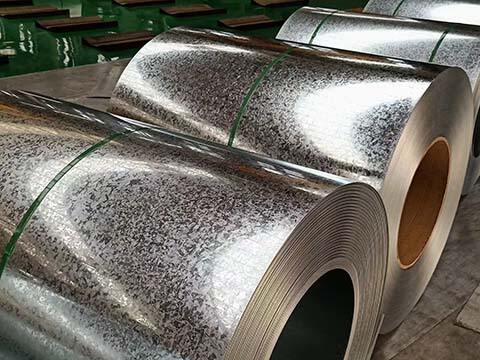
The question of whether hot dipped galvanized coating can self-heal small scratches after damage represents a critical concern for engineers, fabricators, and facility managers who rely on galvanized steel for corrosion protection in demanding environments. Unlike organic coatings that may seal superficial damage through chemical reactions, the protective mechanism of hot dipped galvanized coating operates through fundamentally different metallurgical principles. Understanding this self-healing capability requires examining the unique electrochemical behavior of zinc and the sacrificial protection it provides to underlying steel substrates. When minor scratches penetrate the zinc layer partially or expose small areas of steel, the galvanized coating initiates protective responses that differ significantly from conventional paint systems or powder coatings.
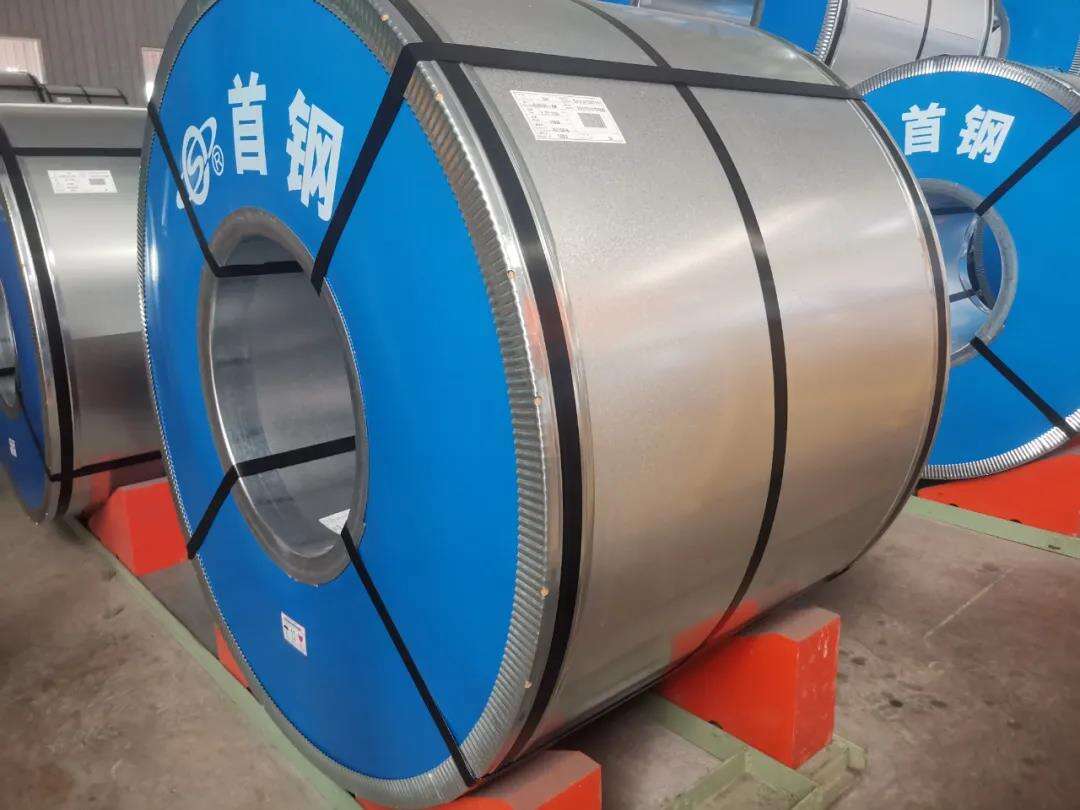
The protective performance of hot dipped galvanized coating extends beyond the simple barrier function that many assume constitutes its primary defense mechanism. The zinc layer formed during the galvanizing process creates a metallurgical bond with the steel substrate, developing intermetallic layers that contribute to both adhesion and corrosion resistance. When evaluating whether this coating possesses true self-healing properties comparable to advanced polymer systems, it becomes essential to distinguish between electrochemical protection mechanisms and physical reconstitution of damaged coating areas. The galvanizing industry has extensively documented the behavior of zinc coatings when subjected to mechanical damage, revealing that while the coating does not literally regenerate lost material, it provides continuing protection through sacrificial corrosion and the formation of protective corrosion products that can seal minor defects.
Electrochemical Protection Mechanisms in Damaged Galvanized Coatings
Sacrificial Cathodic Protection at Scratch Sites
When a scratch penetrates through the hot dipped galvanized coating and exposes the underlying steel substrate, the zinc immediately begins functioning as a sacrificial anode in the electrochemical cell that forms in the presence of moisture and electrolytes. This galvanic protection occurs because zinc possesses a more negative electrochemical potential than steel, causing it to corrode preferentially while keeping the exposed steel cathodic and therefore protected from oxidation. The effectiveness of this sacrificial protection depends on the exposed steel area remaining relatively small compared to the surrounding zinc coating, maintaining an adequate anode-to-cathode ratio for sustained protection.
The sacrificial corrosion of zinc at damage sites generates corrosion products that migrate toward and partially fill the scratch or defect area. These zinc corrosion products, primarily consisting of zinc hydroxide, zinc carbonate, and basic zinc salts depending on the environmental conditions, form adherent layers that reduce the rate of oxygen and moisture access to the exposed steel. While this process does not constitute true material regeneration in the sense that new metallic zinc fills the void, it represents a form of electrochemical self-protection that maintains steel integrity even when the barrier coating suffers localized damage.
Formation of Protective Zinc Patina Over Scratches
The atmospheric corrosion of zinc proceeds through distinct stages that influence the long-term protection of damaged areas in hot dipped galvanized coating systems. Initially, the bright metallic zinc surface oxidizes rapidly upon exposure to air, forming a thin layer of zinc oxide. In the presence of moisture and carbon dioxide, this oxide layer converts to zinc hydroxycarbonate, which constitutes the primary component of the stable zinc patina that develops over time. When scratches expose fresh zinc or small areas of steel, this same patination process accelerates at the damage site due to the enhanced electrochemical activity.
The protective patina that forms over scratches in hot dipped galvanized coating exhibits remarkable adhesion and barrier properties, effectively sealing minor defects from further environmental attack. Research has demonstrated that the zinc corrosion products formed in scratches can reduce corrosion rates by several orders of magnitude compared to bare steel exposed under identical conditions. The thickness and composition of this protective layer vary with environmental factors including humidity, temperature, pollutant levels, and chloride concentration, but in most atmospheric exposures, the patina provides substantial supplementary protection that extends coating life significantly beyond what would be expected from barrier protection alone.
Lateral Throw Distance and Protection Zone Extension
One of the most distinctive characteristics of hot dipped galvanized coating protection involves the lateral throw or creep distance that zinc can protect beyond the actual coating edge. When steel is exposed through scratches, cuts, or edge damage, the surrounding zinc coating provides electrochemical protection to the bare steel within a certain distance from the coating boundary. This protection zone typically extends from several millimeters to over a centimeter depending on coating thickness, environmental aggressiveness, and exposure duration, representing a form of protection extension that organic coatings cannot provide.
The lateral protection afforded by hot dipped galvanized coating relies on the migration of zinc ions in the moisture film that forms on metal surfaces during humid conditions or wet exposures. These zinc ions travel from the corroding zinc anode toward the cathodic steel areas, where they precipitate as protective hydroxides and carbonates that inhibit steel corrosion. The effectiveness of this lateral protection diminishes with distance from the coating edge and depends heavily on the continuity of the electrolyte film connecting the zinc and steel surfaces. In practice, this mechanism allows hot dipped galvanized coating to tolerate small scratches, drill holes, and cut edges without immediate corrosion failure, providing a degree of damage tolerance that approaches functional self-healing behavior.
Limitations of Self-Healing in Hot Dipped Galvanized Coatings
Extent of Damage That Exceeds Protection Capacity
While hot dipped galvanized coating demonstrates impressive protective capabilities when damaged, understanding its limitations proves essential for realistic performance expectations. The sacrificial protection mechanism functions effectively only when the ratio of zinc anode area to exposed steel cathode area remains favorable. Large scratches, extensive abrasion damage, or complete coating removal over substantial areas can overwhelm the protective capacity of the surrounding zinc, leading to accelerated zinc consumption and eventual steel corrosion. Industry guidelines typically specify that exposed steel areas should not exceed certain size thresholds relative to coating thickness to maintain adequate protection.
Deep scratches that penetrate through the entire zinc coating thickness and create significant steel exposure present particular challenges for the electrochemical protection mechanisms of hot dipped galvanized coating. When damage extends over areas larger than approximately 10-15 square centimeters, the surrounding zinc may corrode at accelerated rates attempting to protect the exposed steel, potentially leading to premature coating failure in the vicinity of the damage. The coating thickness becomes a critical factor in determining damage tolerance, with heavier coatings providing both greater barrier protection and larger zinc reservoirs for sacrificial protection of damaged areas.
Environmental Factors Affecting Protection Performance
The self-protective behavior of damaged hot dipped galvanized coating varies dramatically across different environmental exposures, with certain conditions enhancing protection while others severely compromise it. In rural and suburban atmospheric environments with moderate humidity and minimal pollutants, the zinc patina forms stable protective layers over scratches that can maintain steel protection for extended periods. However, in marine environments with high chloride concentrations or industrial atmospheres containing acidic pollutants, the zinc corrosion rate accelerates significantly, and the corrosion products may be less protective or more soluble, reducing the effective self-healing capability.
Continuous immersion conditions or exposures involving alternating wet-dry cycles present distinct challenges for the protective mechanisms of hot dipped galvanized coating in damaged areas. While atmospheric exposure allows protective patina formation and relatively slow zinc corrosion rates, immersion in water or aggressive solutions can lead to rapid zinc consumption at damage sites. The pH of the exposure medium critically influences zinc corrosion behavior, with both highly acidic and highly alkaline conditions accelerating zinc attack. Temperature also affects protection performance, with elevated temperatures generally increasing corrosion rates and potentially altering the protective characteristics of zinc corrosion products.
Time-Dependent Evolution of Protection
The protective response of hot dipped galvanized coating to scratch damage evolves over time in ways that differ fundamentally from instant self-healing mechanisms observed in some advanced polymer systems. The initial period following damage involves active zinc corrosion and the gradual accumulation of corrosion products at the damage site. During this phase, which may extend from days to weeks depending on environmental conditions, the zinc consumption rate remains relatively high as the electrochemical protection mechanisms activate and protective deposits begin forming.
As protective zinc corrosion products accumulate and stabilize at scratch sites in hot dipped galvanized coating, the corrosion rate typically decreases substantially, entering a slower steady-state phase where protection can persist for years or even decades depending on coating thickness and environmental severity. This time-dependent behavior means that the apparent self-healing effectiveness improves with exposure duration as protective layers mature. However, it also implies that newly damaged areas remain more vulnerable until sufficient corrosion products develop, creating a window of enhanced susceptibility immediately following damage that differs from the instant protection restoration characteristic of true self-healing polymer systems.
Comparison with True Self-Healing Coating Systems
Metallurgical Versus Chemical Self-Healing Mechanisms
True self-healing coatings designed for corrosion protection typically employ encapsulated healing agents, reversible polymer networks, or corrosion inhibitor release mechanisms that actively repair damaged areas through chemical reactions or material flow. These systems can physically close cracks, reform chemical bonds, or release protective compounds that migrate to damage sites and restore barrier properties. In contrast, the protective response of hot dipped galvanized coating to damage operates through electrochemical sacrificial corrosion rather than material regeneration or chemical healing reactions.
The distinction between electrochemical protection and true self-healing becomes important when evaluating performance expectations for hot dipped galvanized coating applications. While advanced self-healing polymer coatings can restore electrical resistance across damaged areas, reform barrier layers, and in some cases achieve near-complete property recovery, galvanized coatings provide continuing protection through a fundamentally different mechanism that does not restore the original metallic zinc layer. The zinc corrosion products that form at damage sites offer protection, but they differ substantially in properties from the original coating, exhibiting lower conductivity, different mechanical characteristics, and altered appearance.
Performance Implications for Industrial Applications
For practical industrial applications, understanding whether hot dipped galvanized coating qualifies as self-healing influences maintenance planning, damage tolerance assessment, and lifecycle cost projections. While the coating does not regenerate in the literal sense, its electrochemical protection mechanisms provide damage tolerance that exceeds most organic coating systems. Small scratches, abrasions, and localized coating breaches that would lead to rapid corrosion failure in paint or powder coating systems may be tolerated by hot dipped galvanized coating for extended periods without intervention.
This damage tolerance characteristic makes hot dipped galvanized coating particularly valuable for applications involving handling damage during fabrication, installation, or service. Structural steel components, fasteners, hardware, and infrastructure elements coated through hot-dip galvanizing can withstand minor damage during construction activities without immediate corrosion consequences. The protective throw distance and sacrificial protection mechanisms effectively provide a self-protecting quality that, while technically distinct from true self-healing, delivers similar practical benefits in terms of extended service life despite minor damage accumulation.
Hybrid Systems Combining Galvanizing with Self-Healing Topcoats
Recent developments in corrosion protection technology have explored combining the electrochemical protection of hot dipped galvanized coating with topcoats incorporating true self-healing capabilities. These duplex systems attempt to leverage the sacrificial protection and damage tolerance of galvanizing while adding organic coating layers that can physically seal damage through chemical healing mechanisms. When scratches penetrate the topcoat, the underlying galvanized layer provides immediate electrochemical protection while the self-healing topcoat attempts to reform the barrier layer.
The synergistic protection offered by combining hot dipped galvanized coating with self-healing topcoats can substantially extend service life in aggressive environments while maintaining aesthetic appearance. The galvanized layer serves as a robust foundation that tolerates topcoat damage without immediate steel corrosion, while the self-healing topcoat reduces environmental access to the zinc layer and minimizes zinc consumption rates. This approach has found particular application in automotive components, architectural elements, and infrastructure projects where both long-term corrosion resistance and appearance retention represent critical performance requirements.
Practical Guidelines for Damage Assessment and Repair
Evaluating Scratch Severity in Galvanized Components
Determining whether scratches in hot dipped galvanized coating require repair intervention depends on assessing multiple factors including damage depth, exposed area, coating thickness, and environmental severity. Shallow scratches that do not fully penetrate the zinc layer typically require no intervention, as the continuous zinc coating provides complete barrier protection and no steel exposure occurs. The zinc coating thickness can be measured non-destructively using magnetic or electromagnetic instruments to verify adequate remaining protection after surface damage.
When scratches penetrate fully through hot dipped galvanized coating and expose steel substrate, evaluating the exposed area and proximity to other damage sites becomes critical for determining repair necessity. Industry practice generally considers exposed steel areas smaller than approximately 25 millimeters in maximum dimension as acceptable without repair in most atmospheric exposures, relying on the sacrificial protection and lateral throw of the surrounding zinc coating. Larger damage areas, closely spaced scratches that effectively create large unprotected zones, or exposure in particularly aggressive environments may warrant repair to maintain intended service life.
Appropriate Repair Methods for Damaged Galvanized Surfaces
Several repair approaches exist for addressing damage to hot dipped galvanized coating that exceeds acceptable severity thresholds. Zinc-rich repair paints containing high concentrations of zinc dust in organic or inorganic binders can provide both barrier and galvanic protection similar to the original coating. These repair materials should be applied according to manufacturer specifications regarding surface preparation, film thickness, and curing requirements to achieve adequate protection. The effectiveness of zinc-rich repairs depends heavily on achieving sufficient zinc content, proper adhesion, and adequate film thickness to provide lasting protection.
For critical applications or extensive damage, thermal spray zinc application represents a more robust repair method that closely approximates the protection mechanisms of the original hot dipped galvanized coating. Arc spraying or flame spraying can deposit metallurgical zinc layers over prepared damaged areas, restoring both barrier and sacrificial protection. While thermal spray zinc exhibits somewhat different microstructure and density compared to hot-dip coatings, it provides effective long-term protection and can be applied to localized areas without requiring complete component re-galvanizing. Surface preparation for thermal spray zinc typically requires abrasive blasting to achieve the surface profile necessary for adequate coating adhesion.
Prevention Strategies to Minimize Coating Damage
Implementing handling and installation procedures that minimize damage to hot dipped galvanized coating represents the most cost-effective approach to maintaining protection integrity. Fabricators and installers should employ lifting methods using fabric slings or padded chains rather than bare steel cables or chains that can scratch surfaces. Storage practices should prevent galvanized components from contacting each other or abrasive materials during transit and warehousing. Designated contact points for lifting or supporting galvanized structures can concentrate unavoidable damage in specific areas where supplemental protection can be easily applied.
Design considerations that account for the properties of hot dipped galvanized coating can reduce damage susceptibility and enhance the effectiveness of its protective mechanisms. Avoiding sharp corners and edges that concentrate mechanical stresses during handling reduces the likelihood of coating damage. Specifying adequate coating thickness for the anticipated service environment and expected handling severity provides reserve protection capacity. Understanding that the coating possesses damage tolerance through its electrochemical protection mechanisms allows designers to accept minor cosmetic damage without compromising functional performance, reducing unnecessary touch-up work and associated costs.
FAQ
Does hot dipped galvanized coating physically regenerate new zinc in scratched areas?
No, hot dipped galvanized coating does not physically regenerate or grow new metallic zinc to fill scratches in the way that some polymer self-healing systems can flow and reform. However, the coating does provide continuing protection to exposed steel through sacrificial corrosion of the surrounding zinc, which generates protective corrosion products that migrate to and partially seal damaged areas. While not true material regeneration, this electrochemical protection mechanism provides damage tolerance that maintains steel integrity even when the coating barrier is breached by small scratches.
How large a scratch can hot dipped galvanized coating protect without requiring repair?
The acceptable scratch size in hot dipped galvanized coating depends on several factors including coating thickness, environmental aggressiveness, and design life requirements. As a general guideline, exposed steel areas smaller than approximately 25 millimeters in maximum dimension are typically considered acceptable in moderate atmospheric environments without repair intervention. Heavier coating thicknesses can protect larger damaged areas through their greater zinc reservoir for sacrificial protection. In highly corrosive environments such as marine or industrial atmospheres, smaller damage thresholds may be appropriate, while benign rural environments may tolerate larger defects.
What are the visible signs that a scratch in galvanized coating has developed protective corrosion products?
Protective zinc corrosion products that form over scratches in hot dipped galvanized coating typically appear as white, gray, or light-colored deposits within and around the damaged area. This material, commonly called white rust or zinc patina depending on its composition and appearance, indicates that the zinc is actively corroding and forming the hydroxides, carbonates, and other compounds that provide electrochemical protection to exposed steel. Unlike the red-brown rust of corroding steel, these zinc corrosion products suggest that the protective mechanisms are functioning properly. However, excessive white corrosion product formation may indicate accelerated zinc consumption that could warrant investigation of environmental conditions or consideration of supplemental protection.
Can topcoating over hot dipped galvanized coating interfere with its self-protective mechanisms?
Applying organic topcoats over hot dipped galvanized coating can affect the electrochemical protection mechanisms that operate when the coating is damaged. If both the topcoat and the underlying galvanized layer are scratched simultaneously, the topcoat can impede moisture access and ion migration needed for the zinc sacrificial protection and patina formation processes to function optimally. However, properly formulated and applied topcoats that allow some degree of moisture transmission while providing additional barrier protection often enhance overall system performance. Duplex coating systems combining galvanizing with compatible topcoats are widely used and generally provide superior corrosion protection compared to either system alone, though the specific interaction between coating layers and damage response mechanisms depends on topcoat properties and application quality.
Table of Contents
- Electrochemical Protection Mechanisms in Damaged Galvanized Coatings
- Limitations of Self-Healing in Hot Dipped Galvanized Coatings
- Comparison with True Self-Healing Coating Systems
- Practical Guidelines for Damage Assessment and Repair
-
FAQ
- Does hot dipped galvanized coating physically regenerate new zinc in scratched areas?
- How large a scratch can hot dipped galvanized coating protect without requiring repair?
- What are the visible signs that a scratch in galvanized coating has developed protective corrosion products?
- Can topcoating over hot dipped galvanized coating interfere with its self-protective mechanisms?