 EN
EN
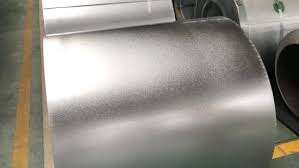
Automotive stamping operations demand materials that combine formability, surface quality, dimensional precision, and structural reliability under extreme manufacturing conditions. Cold rolled steel has emerged as a dominant choice for automotive component production, offering a unique combination of mechanical properties and processing advantages that align perfectly with the stringent requirements of modern vehicle manufacturing. The specialized processing method used to create cold rolled steel transforms ordinary hot rolled material into a precision-engineered product capable of meeting the exacting standards of automotive stamping applications across body panels, structural reinforcements, and chassis components.
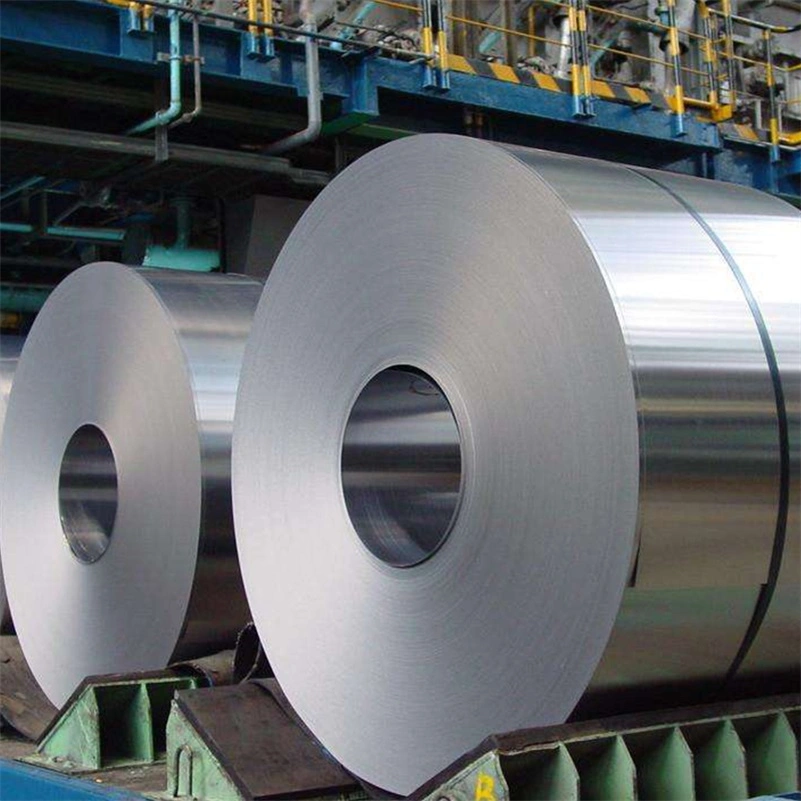
The advantages of cold rolled steel in automotive stamping extend beyond basic material characteristics to encompass economic efficiency, manufacturing consistency, and downstream processing benefits that directly impact production cycle times, tooling longevity, and final product quality. Understanding these advantages enables automotive engineers, procurement specialists, and manufacturing planners to make informed material selection decisions that optimize both component performance and production economics. This comprehensive examination reveals why cold rolled steel maintains its position as the preferred substrate for critical automotive stamping operations despite emerging alternative materials and increasingly complex vehicle design requirements.
Superior Surface Quality and Finish Characteristics
Elimination of Scale and Surface Defects
The cold rolling process removes mill scale completely through pickling and mechanical reduction, delivering cold rolled steel with a clean, smooth surface that requires minimal preparation before stamping operations. This inherent surface quality eliminates the need for extensive pre-stamping surface conditioning that hot rolled materials typically require. Automotive stamping facilities benefit from reduced material handling steps, lower pre-processing costs, and decreased risk of surface contamination that could compromise paint adhesion or cause cosmetic defects in visible body panels. The absence of scale also prevents premature die wear caused by abrasive particles, extending tooling life and reducing maintenance intervals in high-volume production environments.
Cold rolled steel surfaces exhibit uniform texture characteristics with minimal variation across coil length, ensuring consistent friction coefficients during stamping operations. This predictability allows stamping engineers to optimize lubricant selection, blank holding forces, and draw bead configurations with greater confidence, reducing trial-and-error iterations during die development. The controlled surface roughness of cold rolled steel also provides ideal anchor patterns for subsequent coating operations, whether phosphate conversion coatings, electrocoating primers, or direct paint application. Automotive manufacturers particularly value this surface consistency when producing Class A surfaces where visual quality standards prohibit even minor surface irregularities that might telegraph through paint layers.
Enhanced Coating Adhesion and Paint Quality
The microstructure refinement achieved during cold rolling creates surface conditions exceptionally receptive to chemical conversion treatments and paint systems. Cold rolled steel develops tighter surface topography with controlled peak-valley distributions that mechanical coating processes can uniformly wet and bond to, resulting in superior adhesion strength compared to hot rolled alternatives. Automotive body panels fabricated from cold rolled steel demonstrate lower paint rejection rates, fewer warranty claims related to coating delamination, and extended corrosion protection lifespans. These quality improvements translate directly to reduced rework costs during vehicle assembly and enhanced long-term customer satisfaction with vehicle appearance retention.
The chemical cleanliness of cold rolled steel surfaces, free from residual rolling oils and oxidation products, enables more effective phosphate crystal formation during pre-treatment stages. Automotive coating lines achieve more consistent phosphate weights and crystal structures on cold rolled steel substrates, creating uniform foundation layers for subsequent electrocoat and topcoat applications. This consistency reduces coating thickness variation across stamped components, minimizing material waste while ensuring all surface areas receive adequate corrosion protection. The economic impact includes lower coating material consumption per vehicle and reduced environmental compliance costs associated with overspray and coating waste disposal.
Dimensional Precision and Thickness Tolerances
Tight Gauge Control for Consistent Forming
Cold rolling processes achieve thickness tolerances significantly tighter than hot rolling methods, typically maintaining variations within ±0.05mm or better across entire coil lengths. This dimensional precision proves critical in automotive stamping where component weight targets, structural performance requirements, and assembly fit tolerances demand exceptional material consistency. Stamping operations using cold rolled steel experience fewer press adjustments, reduced scrap rates from out-of-specification parts, and improved first-piece acceptance rates when transitioning between production runs. The predictable material thickness enables more accurate blank nesting calculations, optimizing material utilization rates and reducing skeletal scrap that represents pure economic waste in high-volume manufacturing.
Automotive engineers designing stamped components can specify tighter design tolerances when using cold rolled steel, allowing for weight optimization strategies that remove unnecessary material without compromising structural integrity or crashworthiness. This capability becomes particularly valuable in lightweighting initiatives where every gram of mass reduction contributes to fuel efficiency improvements and emissions compliance. The thickness consistency of cold rolled steel also facilitates mixed-material joining operations, where welding, adhesive bonding, or mechanical fastening processes require precise gap control between mating surfaces to achieve target joint strength and durability specifications.
Flatness and Shape Control Benefits
Cold rolled steel exhibits superior flatness characteristics compared to hot rolled materials, with residual stresses more evenly distributed through the material cross-section. This inherent flatness reduces blank preparation time before stamping, minimizes die contact variations that could cause uneven material flow, and decreases springback unpredictability that complicates die compensation strategies. Automotive stamping facilities processing cold rolled steel report fewer issues with blank feeding automation, reduced jamming incidents in progressive dies, and lower rejection rates for parts failing flatness specifications after forming. The shape stability of cold rolled steel blanks also improves laser cutting accuracy and plasma cutting edge quality when automated cutting systems prepare stamping blanks from master coils.
The controlled residual stress patterns in cold rolled steel contribute to more predictable springback behavior during stamping operations, allowing die designers to incorporate accurate overbend compensation without extensive physical tryout iterations. This predictability accelerates new model die development programs, reducing time-to-market for new vehicle platforms and lowering tooling development costs. Stamped automotive components manufactured from cold rolled steel maintain dimensional stability through subsequent assembly operations, heat treatments, and paint baking cycles, ensuring final assembled geometries meet increasingly stringent vehicle body tolerances that affect door fit, panel gap consistency, and overall perceived quality.
Mechanical Properties Optimized for Forming
Work Hardening Characteristics and Formability
The cold working process imparts beneficial strain hardening to cold rolled steel while maintaining adequate ductility for complex stamping operations. This balance between strength and formability allows automotive engineers to specify thinner gauge materials that meet structural requirements while reducing component weight. Cold rolled steel grades exhibit controlled yield strength progression during forming, enabling tight-radius bends, deep draws, and complex geometric features without cracking or excessive wrinkling. The material's strain hardening exponent values typically fall within ranges optimized for automotive stamping applications, providing resistance to localized necking during stretch forming operations while distributing strain more uniformly across formed regions.
Automotive stamping operations benefit from the directional properties of cold rolled steel, which exhibits more balanced mechanical characteristics in longitudinal and transverse orientations compared to hot rolled materials. This reduced anisotropy simplifies blank orientation decisions, allows more flexible nesting patterns that improve material utilization, and reduces the risk of directional tearing in complex draws. The fine grain structure developed during cold rolling also contributes to improved surface appearance after forming, with reduced orange peel effects and smoother surface textures in stretched regions. These characteristics prove particularly valuable when stamping visible exterior panels where surface quality directly impacts customer perception of vehicle quality and craftsmanship.
Consistent Mechanical Property Distribution
Cold rolled steel production processes deliver exceptional property uniformity along coil length and across coil width, eliminating the property gradients common in hot rolled materials. This consistency means stamping dies produce parts with predictable mechanical performance regardless of where blanks originated within source coils. Automotive manufacturers conducting statistical process control can establish tighter control limits when working with cold rolled steel, detecting process variations more quickly and minimizing the production of non-conforming parts. The property consistency also simplifies material certification processes, reducing sampling frequency requirements and laboratory testing costs while maintaining confidence in material compliance with engineering specifications.
The thermal stability of cold rolled steel mechanical properties through typical automotive paint baking cycles ensures that stamped component strength characteristics remain within design specifications after vehicle assembly processes. This stability eliminates the need for post-paint bake property verification testing on production parts, reducing quality control costs and accelerating vehicle throughput through assembly plants. Cold rolled steel components maintain design strength levels through service life exposure to thermal cycling, vibration loading, and environmental conditions, contributing to long-term vehicle structural integrity and occupant safety performance in crash scenarios.
Manufacturing Efficiency and Economic Advantages
Reduced Tool Wear and Maintenance Requirements
The smooth, scale-free surface of cold rolled steel significantly extends stamping die life compared to abrasive hot rolled materials. Automotive stamping operations report tool life improvements ranging from thirty to fifty percent when transitioning from hot rolled to cold rolled steel substrates, translating directly to reduced tooling amortization costs per stamped component. The decreased wear rates allow longer production runs between die maintenance intervals, improving equipment utilization rates and reducing unplanned downtime that disrupts production schedules. Die maintenance costs decline as polishing frequencies decrease, replacement cycles extend, and catastrophic die failures caused by accelerated wear become less frequent.
Cold rolled steel's superior surface quality reduces the buildup of galling and adhesive wear on die surfaces, maintaining consistent friction characteristics throughout production runs. This consistency preserves the dimensional accuracy of stamped parts across extended production volumes, reducing the drift in critical dimensions that necessitates frequent die adjustments or premature die replacement. Automotive stamping facilities benefit from lower spare parts inventories for die components, reduced skilled labor hours devoted to die maintenance activities, and improved production scheduling flexibility when dies remain productive for longer intervals. The economic impact compounds across multi-cavity progressive dies where premature wear in any station can compromise entire die functionality.
Higher Production Rates and Process Reliability
The excellent formability and consistent properties of cold rolled steel enable faster stamping press speeds without increased defect rates or equipment stress. Automotive manufacturers optimize production economics by maximizing strokes per minute while maintaining quality standards, and cold rolled steel's processing characteristics support these efficiency objectives. The material feeds smoothly through progressive die stations, requires less frequent press parameter adjustments, and demonstrates lower sensitivity to minor variations in blank positioning or lubricant application. These factors combine to improve overall equipment effectiveness metrics, increasing the number of acceptable parts produced per shift while reducing energy consumption per component.
Cold rolled steel's predictable behavior during stamping operations reduces scrap rates throughout production runs, improving material yield percentages and lowering raw material costs per finished component. The reduced variability in forming results decreases the statistical sampling requirements for quality verification, allowing inspection resources to focus on process improvement initiatives rather than routine conformance checking. Automotive stamping plants processing cold rolled steel report fewer line stoppages for quality issues, reduced rework labor requirements, and lower warranty claim rates for stamped components that fail prematurely in service. These reliability improvements strengthen supplier quality ratings and support long-term business relationships with automotive original equipment manufacturers.
Compatibility with Advanced Manufacturing Technologies
Laser Cutting and Precision Blanking Performance
Cold rolled steel exhibits excellent compatibility with laser cutting systems used for precision blank preparation in modern automotive stamping operations. The material's uniform composition and consistent thickness enable optimized laser parameter settings that remain stable across production runs, minimizing edge quality variation and reducing dross formation that requires secondary finishing operations. The tight thickness tolerances of cold rolled steel prevent focal point variations during laser cutting, maintaining cut edge perpendicularity and dimensional accuracy critical for subsequent stamping operations. Automotive manufacturers implementing flexible manufacturing systems benefit from cold rolled steel's reliable laser processing characteristics when producing multiple component variants from common coil stock.
The clean cut edges produced when laser processing cold rolled steel reduce die wear in blanking and piercing operations, extending tool life and improving hole quality in stamped components. Edge crack sensitivity remains low when cutting cold rolled steel with properly optimized laser parameters, eliminating the edge conditioning operations sometimes required with less consistent materials. The dimensional precision achievable when laser cutting cold rolled steel blanks supports tight-tolerance stamping applications where blank outline accuracy directly influences final part conformance to engineering specifications. These advantages prove particularly valuable in low-volume specialty vehicle production where dedicated blanking dies cannot be economically justified.
Robotic Handling and Automation Integration
The consistent thickness, flatness, and surface friction characteristics of cold rolled steel facilitate reliable robotic handling in automated stamping cells. Material handling robots achieve consistent grip forces and positioning accuracy when manipulating cold rolled steel blanks, reducing pick-and-place cycle times and improving transfer reliability between stamping stations. The predictable magnetic properties of cold rolled steel enable effective electromagnetic blank destacking and separation systems, supporting high-speed automated blank feeding operations. Automotive stamping facilities implementing lights-out manufacturing benefit from cold rolled steel's handling predictability, which reduces jamming incidents and minimizes the supervision requirements for automated production systems.
Cold rolled steel blanks resist buckling and deformation during high-speed robotic transfers, maintaining blank orientation and positioning accuracy critical for automated die loading operations. The material's surface consistency prevents vacuum cup slippage during suction-based handling, improving transfer reliability and reducing blank damage from handling equipment. These characteristics support the automotive industry's transition toward flexible, highly automated stamping systems capable of rapid changeover between component types while maintaining quality consistency. The integration advantages of cold rolled steel with advanced automation technologies contribute to overall manufacturing competitiveness in global automotive markets where production efficiency directly impacts profit margins.
FAQ
How does cold rolled steel improve paint quality on automotive body panels?
Cold rolled steel provides a uniformly clean, scale-free surface that accepts chemical conversion treatments more consistently than hot rolled materials. The controlled surface roughness creates ideal anchor patterns for paint adhesion while the absence of surface defects prevents visual imperfections from telegraphing through paint layers. This results in superior coating adhesion, more uniform paint appearance, and extended corrosion protection performance critical for automotive exterior panels exposed to environmental conditions throughout vehicle service life.
What thickness tolerance advantages does cold rolled steel offer for stamping applications?
Cold rolling processes achieve thickness tolerances typically within ±0.05mm or tighter, compared to much wider variations in hot rolled materials. This precision enables more accurate blank weight calculations, consistent forming behavior across production runs, and tighter final part dimensional control. The thickness consistency allows automotive engineers to optimize component designs for minimum weight while meeting structural requirements, supporting lightweighting initiatives that improve fuel efficiency and reduce emissions without compromising safety performance.
Why does cold rolled steel extend stamping die life compared to other materials?
The smooth, scale-free surface of cold rolled steel eliminates the abrasive mill scale present on hot rolled materials that accelerates die wear through mechanical erosion. Cold rolled steel also exhibits reduced galling tendency and lower friction variation during forming operations, preserving die surface finish and dimensional accuracy through extended production volumes. These characteristics translate to die life improvements of thirty to fifty percent in typical automotive stamping applications, significantly reducing tooling costs per stamped component and improving production scheduling flexibility.
Can cold rolled steel support the tight radius bends required in modern automotive designs?
Yes, cold rolled steel grades formulated for automotive applications combine adequate ductility with controlled strength levels that enable tight-radius bending without cracking. The fine grain structure and balanced directional properties achieved through cold rolling distribute strain more uniformly during bending operations, preventing localized failures common in coarser-grained materials. Automotive engineers successfully specify cold rolled steel for complex stampings requiring bend radii as tight as one times material thickness in many applications, though specific capabilities depend on grade selection and forming process optimization.
Table of Contents
- Superior Surface Quality and Finish Characteristics
- Dimensional Precision and Thickness Tolerances
- Mechanical Properties Optimized for Forming
- Manufacturing Efficiency and Economic Advantages
- Compatibility with Advanced Manufacturing Technologies
-
FAQ
- How does cold rolled steel improve paint quality on automotive body panels?
- What thickness tolerance advantages does cold rolled steel offer for stamping applications?
- Why does cold rolled steel extend stamping die life compared to other materials?
- Can cold rolled steel support the tight radius bends required in modern automotive designs?