 EN
EN
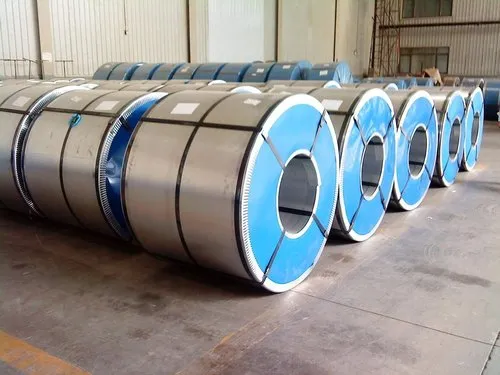
Selecting the appropriate steel material for exposed architectural applications requires careful consideration of multiple technical and aesthetic factors that directly impact long-term performance and visual appeal. Cold rolled steel has emerged as a preferred choice for architects and designers who demand superior surface finish, dimensional accuracy, and structural integrity in visible building elements. Understanding the critical selection criteria ensures that architectural projects achieve both their design vision and performance requirements while maintaining cost-effectiveness over the building's lifecycle.
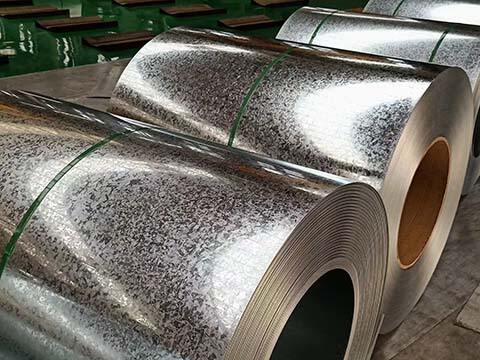
The decision-making process for exposed architectural steel involves evaluating material properties that affect both immediate installation success and decades of environmental exposure. Cold rolled steel offers distinct advantages in dimensional stability, surface quality, and fabrication precision that make it particularly suitable for architectural elements where appearance and performance cannot be compromised. These selection factors become even more critical when considering the material's role in defining the building's aesthetic character and structural reliability.
Surface Quality and Finish Considerations
Surface Smoothness and Texture Requirements
The surface quality of cold rolled steel represents one of its most significant advantages for exposed architectural applications. The cold rolling process creates a smooth, uniform surface texture that eliminates the scale and roughness typically associated with hot rolled products. This superior surface finish directly impacts the final appearance of architectural elements, particularly when natural steel patina or applied coatings are desired. The consistent surface texture ensures uniform coating adhesion and eliminates the need for extensive surface preparation that would be required with hot rolled alternatives.
Surface defects such as scratches, pits, or inclusions become highly visible in exposed architectural applications and can compromise both aesthetic and corrosion resistance performance. Cold rolled steel manufacturing processes include rigorous surface inspection and quality control measures that minimize these defects. The material's smooth surface also facilitates easier cleaning and maintenance, which becomes crucial for architectural elements exposed to urban pollutants, weather, and regular handling.
Coating Compatibility and Adhesion
The superior surface quality of cold rolled steel provides optimal conditions for various protective and decorative coating systems. Whether specifying powder coatings, liquid paints, or specialized architectural finishes, the smooth surface ensures maximum coating adhesion and longevity. This compatibility extends to both factory-applied and field-applied coating systems, giving architects greater flexibility in finish selection and application timing.
The uniformity of cold rolled steel surfaces also enables consistent coating thickness across large architectural elements, preventing the uneven appearance that can occur with rougher surfaces. This consistency becomes particularly important for architectural applications where lighting conditions can highlight surface irregularities or coating variations. The material's surface preparation requirements are also reduced compared to hot rolled alternatives, potentially lowering overall finishing costs.
Dimensional Accuracy and Tolerance Control
Precision Manufacturing Benefits
Cold rolled steel production involves precise thickness control that results in tighter dimensional tolerances compared to hot rolled materials. This dimensional accuracy becomes critical in exposed architectural applications where components must fit together precisely and maintain consistent reveal lines or alignment patterns. The improved thickness uniformity of cold rolled steel reduces the need for additional machining or adjustment during fabrication and installation.
Architectural elements such as curtain wall panels, decorative screens, and structural cladding systems require precise dimensional control to achieve proper fit-up and maintain designed clearances. Cold rolled steel's superior flatness and straightness characteristics minimize the warping and distortion that can occur during fabrication and installation. This dimensional stability is particularly valuable for large-format architectural elements where even minor variations can become visually apparent.
Fabrication and Installation Advantages
The consistent dimensions and properties of cold rolled steel simplify fabrication processes and reduce material waste. Cutting, forming, and welding operations proceed more predictably when working with dimensionally accurate material, leading to improved productivity and quality control. The material's uniform thickness also ensures consistent bend radii and forming characteristics across the entire architectural element.
Installation tolerances for exposed architectural work are typically much tighter than structural applications, making the precision of cold rolled steel particularly valuable. The material's dimensional consistency helps ensure that field adjustments and modifications are minimized, reducing installation time and maintaining design intent. This precision also supports the use of prefabricated assembly methods that can improve both quality and construction efficiency.
Mechanical Properties and Structural Performance
Strength Characteristics for Architectural Loading
Cold rolled steel exhibits enhanced mechanical properties compared to equivalent hot rolled grades due to the work hardening that occurs during the cold rolling process. This strength increase provides additional structural capacity that can be valuable for architectural elements subject to wind loads, thermal stresses, or dynamic forces. The improved yield strength allows for more efficient structural designs with reduced material thickness or enhanced load-carrying capability.
The mechanical property consistency of cold rolled steel products ensures predictable structural performance across the entire architectural system. This reliability becomes particularly important for exposed elements that must maintain their structural integrity while also serving aesthetic functions. The material's enhanced strength properties also support the use of innovative architectural forms and expressions that might not be feasible with lower-strength alternatives.
Fatigue Resistance and Long-term Durability
Architectural elements are subject to repeated loading cycles from wind, thermal expansion, and dynamic building movements that can lead to fatigue-related failures over time. Cold rolled steel's refined microstructure and controlled surface condition provide improved fatigue resistance compared to hot rolled products. This enhanced durability is particularly valuable for architectural elements with complex geometries or stress concentrations.
The consistent material properties of cold rolled steel also enable more accurate fatigue life predictions, supporting long-term durability assessments and maintenance planning. This predictability becomes increasingly important as building owners seek to minimize lifecycle costs and maintenance requirements for architectural systems. The material's enhanced fatigue resistance can also support more aggressive architectural designs with thinner sections or higher stress levels.
Environmental Resistance and Weathering Characteristics
Corrosion Protection Strategies
While cold rolled steel requires protective measures for long-term corrosion resistance in exposed applications, its superior surface quality provides an ideal foundation for various protection systems. The smooth surface enables uniform coating application and enhanced barrier protection compared to rougher hot rolled surfaces. This improved coating performance can extend service life and reduce maintenance requirements for exposed architectural elements.
The consistent surface condition of cold rolled steel also supports the use of advanced coating systems such as fluoropolymer finishes or ceramic coatings that provide superior environmental resistance. These high-performance coating systems require excellent surface preparation and adhesion characteristics that cold rolled steel readily provides. The material's surface uniformity also enables consistent weathering patterns when natural patina finishes are specified.
Thermal Performance and Expansion Management
Cold rolled steel's consistent material properties and dimensional accuracy facilitate precise thermal expansion calculations and joint design for exposed architectural applications. The material's predictable thermal behavior enables architects to design expansion joints and connection details that accommodate thermal movements without compromising appearance or performance. This thermal predictability becomes particularly important for large architectural elements with significant temperature exposures.
The smooth surface of cold rolled steel also affects its thermal absorption and reflection characteristics, which can influence both the material's temperature and the thermal comfort of adjacent spaces. These thermal considerations become part of the overall environmental performance evaluation for exposed architectural steel elements. The material's consistent thermal properties also support the integration of thermal modeling and analysis during the design process.
Cost Considerations and Value Engineering
Initial Material Cost Analysis
Cold rolled steel typically commands a premium over hot rolled alternatives due to the additional processing steps and tighter quality control required for its production. However, this initial cost difference must be evaluated against the total project costs including fabrication, finishing, and installation expenses. The superior surface quality and dimensional accuracy of cold rolled steel often reduce downstream processing costs and improve installation efficiency.
The reduced surface preparation requirements for cold rolled steel can result in significant savings in coating and finishing operations. These savings become more substantial for large architectural projects where finishing costs represent a significant portion of the total budget. The material's consistent quality also reduces the risk of rejected or reworked components, which can have substantial schedule and cost impacts on architectural projects.
Lifecycle Cost Evaluation
The long-term cost implications of material selection extend far beyond initial purchase price to include maintenance, replacement, and building performance factors. Cold rolled steel's superior surface quality and coating compatibility can result in extended coating life and reduced maintenance frequency compared to alternative materials. These lifecycle benefits become particularly valuable for architectural elements in challenging environments or difficult-to-access locations.
The dimensional stability and consistent performance of cold rolled steel also contribute to reduced maintenance costs by minimizing adjustments, alignments, and component replacements over the building's service life. This reliability becomes increasingly important as building systems become more complex and interdependent. The material's predictable performance characteristics also support more accurate lifecycle cost modeling and budgeting for building owners.
FAQ
What makes cold rolled steel more suitable than hot rolled steel for exposed architectural work?
Cold rolled steel offers superior surface quality, dimensional accuracy, and consistency compared to hot rolled alternatives. The cold rolling process creates a smooth, scale-free surface that provides better coating adhesion and appearance, while the precise thickness control ensures predictable fit-up and alignment in architectural assemblies. These characteristics are essential for exposed applications where both performance and aesthetics are critical.
How does the surface quality of cold rolled steel affect coating performance?
The smooth, uniform surface of cold rolled steel provides optimal conditions for coating adhesion and longevity. The consistent surface texture ensures uniform coating thickness and eliminates the surface preparation steps often required with rougher materials. This results in better coating performance, extended service life, and more consistent appearance across large architectural elements.
What dimensional tolerances can be expected with cold rolled steel for architectural applications?
Cold rolled steel typically offers thickness tolerances that are significantly tighter than hot rolled products, often within plus or minus 0.003 inches for common architectural thicknesses. The material also exhibits superior flatness and straightness characteristics that minimize warping during fabrication and installation. These precise dimensions are essential for achieving the tight tolerances required in exposed architectural work.
How should lifecycle costs be evaluated when considering cold rolled steel for architectural projects?
Lifecycle cost evaluation should include initial material costs, fabrication efficiency gains, coating and finishing performance, maintenance requirements, and replacement schedules. While cold rolled steel may have higher initial costs, the reduced surface preparation, improved coating life, and lower maintenance requirements often result in superior long-term value. The material's predictable performance also supports more accurate cost modeling and budgeting over the building's service life.
Table of Contents
- Surface Quality and Finish Considerations
- Dimensional Accuracy and Tolerance Control
- Mechanical Properties and Structural Performance
- Environmental Resistance and Weathering Characteristics
- Cost Considerations and Value Engineering
-
FAQ
- What makes cold rolled steel more suitable than hot rolled steel for exposed architectural work?
- How does the surface quality of cold rolled steel affect coating performance?
- What dimensional tolerances can be expected with cold rolled steel for architectural applications?
- How should lifecycle costs be evaluated when considering cold rolled steel for architectural projects?