 EN
EN
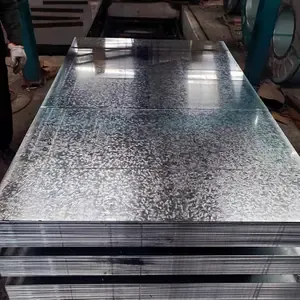
Cold rolled steel delivers exceptional surface finish advantages that make it the preferred material choice for precision automotive body panels across the global automotive manufacturing industry. The cold rolling process creates a remarkably smooth, uniform surface that eliminates the roughness and scale typically found on hot rolled steel, resulting in superior paint adhesion, dimensional accuracy, and aesthetic quality that meets the stringent requirements of modern vehicle production.
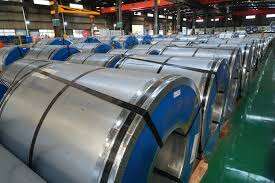
The surface finish advantages of cold rolled steel extend far beyond basic smoothness, encompassing critical performance characteristics including enhanced corrosion resistance, improved formability for complex panel geometries, and consistent material properties that enable precise manufacturing tolerances essential for automotive body panel applications. These surface finish benefits directly translate into reduced manufacturing costs, improved quality control, and enhanced vehicle durability that automotive manufacturers demand in today's competitive marketplace.
Superior Surface Smoothness and Texture Quality
Microscopic Surface Uniformity
Cold rolled steel achieves exceptional microscopic surface uniformity through the controlled deformation process that occurs during cold rolling operations. The steel passes through precision rollers at room temperature, creating a surface roughness typically measuring between 0.5 to 2.0 micrometers Ra, significantly smoother than hot rolled alternatives. This microscopic uniformity eliminates surface irregularities that can cause paint defects, ensuring consistent coating thickness and appearance across entire automotive body panels.
The uniform surface texture of cold rolled steel provides optimal conditions for subsequent surface treatments and coatings applied during automotive manufacturing processes. Paint systems adhere more effectively to the consistent surface profile, reducing the likelihood of coating failures, orange peel effects, and other surface defects that compromise vehicle appearance and durability. Manufacturing quality control becomes more predictable when working with the consistent surface characteristics that cold rolled steel delivers.
Elimination of Surface Scale and Oxidation
The cold rolling process effectively removes mill scale and surface oxidation that commonly affects hot rolled steel products, resulting in a clean, pristine surface ready for immediate processing or coating application. This scale-free surface eliminates the need for extensive surface preparation steps that would otherwise be required before painting or plating operations. Automotive manufacturers benefit from reduced processing time and improved surface quality when utilizing cold rolled steel for precision body panel applications.
The absence of surface scale on cold rolled steel prevents contamination issues that can occur during automotive manufacturing processes. Scale particles can become embedded in paint systems or cause scratching during forming operations, leading to quality defects that require costly rework or panel replacement. Cold rolled steel eliminates these contamination risks while providing a consistently clean surface that maintains quality throughout the manufacturing process.
Enhanced Paint Adhesion and Coating Performance
Optimal Surface Energy Characteristics
Cold rolled steel exhibits superior surface energy characteristics that promote excellent paint adhesion compared to other steel processing methods. The smooth, clean surface provides optimal wetting properties for primer and paint systems, ensuring uniform coverage and strong mechanical bonding between the coating and substrate. This enhanced adhesion performance translates directly into improved coating durability and corrosion protection for automotive body panels exposed to harsh environmental conditions.
The consistent surface energy of cold rolled steel enables automotive manufacturers to optimize their coating processes for maximum efficiency and quality. Paint application parameters can be precisely controlled when working with uniform substrate conditions, resulting in reduced coating thickness variation and improved color matching across multiple panels. These benefits contribute to overall vehicle quality while reducing material waste and rework costs associated with coating defects.
Reduced Pre-treatment Requirements
Automotive body panels manufactured from cold rolled steel require minimal surface pre-treatment before paint application, streamlining the coating process and reducing manufacturing costs. The inherently clean, smooth surface eliminates the need for aggressive chemical etching or mechanical abrading that may be required for other steel grades. This reduced pre-treatment requirement allows for faster processing times while maintaining superior coating adhesion and performance characteristics.
The simplified pre-treatment process enabled by cold rolled steel surface quality reduces chemical consumption and waste generation in automotive manufacturing facilities. Environmental compliance becomes more manageable when fewer aggressive chemicals are required for surface preparation. Manufacturing efficiency improves through shortened processing cycles while maintaining the high-quality surface finish standards required for precision automotive body panel applications.
Dimensional Accuracy and Forming Precision
Tight Thickness Tolerances
Cold rolled steel delivers exceptional dimensional accuracy with thickness tolerances typically maintained within ±0.05mm or better, enabling precise forming operations essential for automotive body panel manufacturing. This dimensional consistency ensures uniform material distribution during stamping and forming processes, preventing thickness variations that can cause springback issues or dimensional distortions in finished panels. Automotive manufacturers rely on these tight tolerances to maintain precise fit and finish requirements across all vehicle body components.
The superior dimensional control of cold rolled steel reduces material waste and rework costs associated with out-of-specification panels. Consistent thickness enables predictable forming behavior, allowing manufacturers to optimize die designs and forming parameters for maximum efficiency. Quality control processes become more streamlined when working with material that maintains consistent dimensional characteristics throughout the manufacturing process.
Improved Surface Flatness
Cold rolled steel exhibits excellent surface flatness characteristics that minimize distortion during forming operations and ensure precise panel alignment during vehicle assembly. The controlled rolling process eliminates waviness and surface irregularities that can cause alignment problems or visible distortions in finished automotive body panels. This superior flatness enables manufacturers to achieve the precise geometric requirements necessary for modern vehicle aerodynamics and aesthetic standards.
The enhanced surface flatness of cold rolled steel contributes to improved dimensional stability throughout the entire manufacturing process. Panels maintain their intended geometry during handling, welding, and assembly operations, reducing the need for corrective measures or dimensional adjustments. This stability ensures consistent quality and reduces manufacturing complexity while maintaining the precise tolerances required for automotive body panel applications.
Corrosion Resistance and Durability Benefits
Enhanced Protective Coating Performance
The superior surface quality of cold rolled steel significantly enhances the performance of protective coatings applied to automotive body panels, extending vehicle service life and maintaining appearance quality over extended periods. The smooth, uniform surface provides optimal conditions for coating adhesion, reducing the likelihood of coating failures that can lead to corrosion initiation. Automotive manufacturers benefit from improved warranty performance and customer satisfaction when utilizing cold rolled steel for critical body panel applications.
Cold rolled steel surface characteristics enable the application of thinner coating systems while maintaining equivalent or superior corrosion protection compared to rougher substrates. This coating efficiency reduces material costs and environmental impact while providing enhanced protection against road salt, moisture, and other corrosive elements encountered during vehicle operation. The optimized coating performance contributes to overall vehicle durability and long-term value retention.
Reduced Galvanic Corrosion Potential
The consistent surface composition and cleanliness of cold rolled steel minimizes galvanic corrosion potential when used in multi-material automotive body construction. Surface contamination and compositional variations that can create galvanic couples are eliminated through the cold rolling process, reducing localized corrosion risks at material interfaces. This benefit becomes increasingly important as automotive manufacturers incorporate diverse materials to achieve weight reduction and performance objectives.
The uniform surface characteristics of cold rolled steel facilitate effective corrosion protection strategies throughout the vehicle structure. Consistent material properties enable predictable electrochemical behavior, allowing manufacturers to optimize cathodic protection systems and barrier coatings for maximum effectiveness. This predictability contributes to improved long-term durability and reduced maintenance requirements for automotive body panel assemblies.
Manufacturing Efficiency and Quality Control
Consistent Processing Parameters
Cold rolled steel enables consistent processing parameters throughout automotive manufacturing operations due to its uniform surface and material properties. Forming tools experience predictable wear patterns, and processing conditions can be optimized for maximum efficiency and quality output. This consistency reduces setup time, minimizes process adjustments, and improves overall manufacturing productivity while maintaining strict quality standards required for automotive body panel production.
The predictable behavior of cold rolled steel during manufacturing processes enables automated quality control systems to operate more effectively. Consistent material response allows for precise monitoring and control of forming operations, reducing the likelihood of defects and improving overall process capability. Manufacturing efficiency improves through reduced inspection requirements and fewer process interruptions caused by material variability.
Reduced Secondary Operations
The superior surface finish of cold rolled steel eliminates many secondary operations typically required to achieve acceptable surface quality for automotive body panel applications. Grinding, polishing, and other surface conditioning steps become unnecessary, reducing manufacturing time and associated labor costs. This operational efficiency enables manufacturers to optimize production throughput while maintaining the high surface quality standards demanded by automotive applications.
Cold rolled steel surface quality enables direct progression from forming operations to coating applications without intermediate surface preparation steps. This streamlined manufacturing process reduces handling requirements, minimizes contamination opportunities, and shortens overall production cycles. The elimination of secondary operations also reduces energy consumption and environmental impact associated with automotive body panel manufacturing processes.
FAQ
How does cold rolled steel surface finish compare to hot rolled steel for automotive applications?
Cold rolled steel provides significantly superior surface finish compared to hot rolled steel, with surface roughness typically 5-10 times smoother and free from mill scale that characterizes hot rolled products. This superior finish eliminates extensive surface preparation requirements and provides better paint adhesion, making cold rolled steel the preferred choice for visible automotive body panels where surface quality is critical.
What specific surface roughness values can be achieved with cold rolled steel?
Cold rolled steel typically achieves surface roughness values between 0.5 to 2.0 micrometers Ra, depending on the specific rolling parameters and surface treatment applied during production. These values represent exceptional smoothness that meets or exceeds automotive industry requirements for precision body panel applications, ensuring optimal paint adhesion and appearance quality.
Does cold rolled steel require special handling to maintain surface quality during manufacturing?
Cold rolled steel requires standard industrial handling practices to maintain its superior surface quality, including protection from contamination, appropriate storage conditions, and careful handling during transportation and processing. The robust surface finish is generally resistant to minor handling marks, but proper material management ensures optimal surface quality is maintained throughout the manufacturing process.
Can cold rolled steel surface finish be further improved for specialized automotive applications?
Cold rolled steel surface finish can be enhanced through additional processing steps such as temper rolling, skin passing, or specialized surface treatments to achieve even smoother finishes for premium automotive applications. These secondary processes can reduce surface roughness below 0.5 micrometers Ra while maintaining the dimensional accuracy and material properties that make cold rolled steel ideal for precision automotive body panel manufacturing.
Table of Contents
- Superior Surface Smoothness and Texture Quality
- Enhanced Paint Adhesion and Coating Performance
- Dimensional Accuracy and Forming Precision
- Corrosion Resistance and Durability Benefits
- Manufacturing Efficiency and Quality Control
-
FAQ
- How does cold rolled steel surface finish compare to hot rolled steel for automotive applications?
- What specific surface roughness values can be achieved with cold rolled steel?
- Does cold rolled steel require special handling to maintain surface quality during manufacturing?
- Can cold rolled steel surface finish be further improved for specialized automotive applications?