 EN
EN
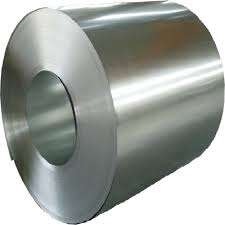
When selecting protective coatings for structural steel components, understanding which hot dipped galvanized finish provides optimal sacrificial protection is crucial for long-term durability and cost-effectiveness. The hot dipped galvanized process creates different finish types based on steel composition, processing parameters, and cooling methods, each offering varying levels of corrosion resistance and sacrificial protection characteristics.

The effectiveness of sacrificial protection in hot dipped galvanized coatings depends primarily on the zinc coating thickness, alloy layer formation, and surface finish characteristics. Different finish categories within the hot dipped galvanized spectrum offer distinct protective mechanisms, with some excelling in sacrificial protection while others provide superior barrier protection or aesthetic appeal for structural applications.
Understanding Sacrificial Protection Mechanisms in Hot Dipped Galvanized Finishes
Zinc Coating Electrochemical Behavior
The sacrificial protection offered by hot dipped galvanized finishes operates through zinc's electrochemical properties, where zinc acts as the anode and steel serves as the cathode in corrosive environments. When moisture and oxygen create electrolytic conditions, the zinc coating corrodes preferentially, protecting the underlying steel substrate even when the coating experiences localized damage or scratching.
The galvanic series positioning of zinc relative to iron ensures consistent sacrificial protection as long as electrical continuity exists between the zinc coating and steel base. This electrochemical relationship remains effective across various environmental conditions, making hot dipped galvanized finishes particularly valuable for structural steel applications where coating integrity may face mechanical stress or atmospheric exposure.
Different hot dipped galvanized finish types exhibit varying electrochemical potentials based on their zinc-iron alloy layer composition and surface characteristics. The presence of specific intermetallic compounds within the coating structure influences the sacrificial protection rate and duration, directly impacting the overall protective performance of the galvanized system.
Coating Thickness and Sacrificial Protection Correlation
The relationship between coating thickness and sacrificial protection duration follows predictable patterns in hot dipped galvanized systems, where thicker coatings provide extended protection periods. Standard hot dipped galvanized finishes typically range from 45 to 125 micrometers thickness, with heavier coatings offering proportionally longer sacrificial protection periods for structural steel components.
Coating thickness uniformity across complex structural geometries affects sacrificial protection effectiveness, as thin areas may exhaust their protective capacity before thicker regions. The hot dipped galvanized process naturally creates thickness variations based on steel geometry, drainage characteristics, and withdrawal speed from the zinc bath, influencing overall protection performance.
Measuring coating thickness becomes essential for predicting sacrificial protection lifespan, as environmental corrosion rates combined with initial coating mass determine the protective service life. Structural engineers rely on these calculations when specifying hot dipped galvanized finishes for critical applications requiring long-term durability without maintenance.
Comparative Analysis of Hot Dipped Galvanized Finish Categories
Bright Smooth Finish Characteristics
Bright smooth finishes in hot dipped galvanized coatings result from rapid cooling after galvanizing, creating a predominantly eta zinc layer with minimal zinc-iron alloy formation. This finish type offers excellent sacrificial protection due to its high zinc content and uniform surface characteristics, making it particularly effective for structural steel components requiring maximum corrosion resistance.
The smooth surface texture of bright finishes minimizes surface area exposed to corrosive elements while maintaining optimal galvanic protection characteristics. The dense zinc structure provides consistent sacrificial protection across the entire coated surface, with minimal variation in electrochemical behavior that could create preferential corrosion sites.
Structural applications benefit from bright smooth hot dipped galvanized finishes when aesthetic appearance combines with maximum protective performance requirements. The finish maintains its protective integrity under mechanical stress while providing visual confirmation of coating quality through its characteristic metallic appearance and surface uniformity.
Matte Gray Finish Performance
Matte gray finishes develop when steel chemistry promotes extensive zinc-iron alloy layer formation during the hot dipped galvanized process, creating a different surface appearance and protective mechanism. These finishes often exhibit superior adhesion characteristics due to the metallurgical bonding between zinc-iron alloys and the steel substrate, enhancing mechanical durability.
The sacrificial protection offered by matte gray hot dipped galvanized finishes operates through a combination of zinc sacrificial action and barrier protection from the alloy layers. While the overall zinc content may be lower than bright finishes, the enhanced adhesion and reduced coating brittleness can provide superior long-term protection in mechanically demanding applications.
Structural steel components subject to thermal cycling, vibration, or impact loading often perform better with matte gray hot dipped galvanized finishes due to their improved mechanical properties. The coating flexibility reduces the likelihood of cracking or spalling that could compromise sacrificial protection effectiveness over the service life.
Environmental Factors Affecting Sacrificial Protection Performance
Atmospheric Corrosivity Impact
Environmental conditions significantly influence the rate of sacrificial protection consumption in hot dipped galvanized finishes, with atmospheric corrosivity categories directly correlating to protective service life. Marine environments with high chloride concentrations accelerate zinc consumption rates, while rural atmospheres with minimal pollutants extend sacrificial protection duration substantially.
Industrial environments containing sulfur compounds create complex corrosion mechanisms that affect hot dipped galvanized finish performance differently based on the specific finish characteristics. Bright smooth finishes may perform better in some industrial settings due to their dense zinc structure, while matte finishes might excel in others due to their alloy layer protection.
Temperature fluctuations and humidity cycles influence the electrochemical activity of hot dipped galvanized coatings, affecting both the rate of sacrificial protection and the formation of protective zinc corrosion products. Understanding these environmental interactions helps predict which finish type will provide optimal sacrificial protection for specific structural applications.
Design Considerations for Maximum Protection
Structural design details significantly impact the effectiveness of sacrificial protection in hot dipped galvanized systems, with proper drainage and ventilation enhancing protective performance. Crevices, lap joints, and enclosed spaces can create localized environments where sacrificial protection mechanisms operate differently than on exposed surfaces.
Joint design and connection details affect the continuity of galvanic protection in structural assemblies, requiring careful consideration of electrical continuity between galvanized components. Proper design ensures that sacrificial protection extends throughout the structural system rather than being compromised at critical connection points.
Surface preparation and handling procedures after hot dipped galvanized coating application influence the retention of sacrificial protection characteristics. Mechanical damage, welding repairs, or surface contamination can compromise the protective system, requiring specific protocols to maintain optimal performance throughout the structure's service life.
Selection Criteria for Optimal Sacrificial Protection
Application-Specific Performance Requirements
Selecting the optimal hot dipped galvanized finish for sacrificial protection requires analyzing specific application requirements including environmental exposure, mechanical loading, and service life expectations. Structural components in aggressive environments benefit from thicker coatings with bright smooth finishes that maximize zinc content and sacrificial protection capacity.
Load-bearing structural members subject to dynamic forces may require matte gray hot dipped galvanized finishes that offer superior adhesion and mechanical durability, even if the absolute sacrificial protection capacity is slightly lower. The enhanced coating integrity under mechanical stress provides more reliable long-term protection than maximum zinc content alone.
Cost-benefit analysis must consider both initial coating specifications and long-term maintenance requirements when selecting hot dipped galvanized finishes for structural applications. Higher-performing finishes may justify increased initial costs through extended service life and reduced maintenance interventions over the structure's operational period.
Quality Verification and Performance Monitoring
Establishing quality control procedures for hot dipped galvanized finishes ensures consistent sacrificial protection performance across structural projects. Coating thickness measurements, adhesion testing, and visual inspection protocols verify that the specified finish characteristics meet design requirements for optimal protective performance.
Long-term monitoring of hot dipped galvanized finish performance provides valuable data for refining selection criteria and predicting service life in similar applications. Regular inspection protocols can identify early signs of coating consumption while sufficient sacrificial protection remains to implement preventive measures.
Documentation of environmental conditions, coating performance, and maintenance history creates a database for optimizing future hot dipped galvanized finish selections. This systematic approach enables continuous improvement in protective system design and specification for structural steel applications.
FAQ
What determines the sacrificial protection effectiveness of different hot dipped galvanized finishes?
The sacrificial protection effectiveness depends primarily on zinc content, coating thickness, and surface uniformity. Bright smooth finishes typically offer the highest zinc content and most consistent sacrificial protection, while matte finishes may provide better mechanical durability in demanding applications. The specific steel chemistry and galvanizing parameters determine which finish type develops and its resulting protective characteristics.
How long does sacrificial protection last in hot dipped galvanized coatings?
Sacrificial protection duration varies significantly based on environmental conditions and coating thickness, typically ranging from 20 to 100+ years for structural applications. Marine environments may consume zinc at rates of 2-5 micrometers per year, while rural atmospheres may see consumption rates below 1 micrometer annually. Thicker hot dipped galvanized coatings proportionally extend the sacrificial protection period.
Can hot dipped galvanized finishes provide sacrificial protection after surface damage?
Yes, hot dipped galvanized coatings continue providing sacrificial protection to exposed steel within the galvanic protection distance, typically 3-5mm from the coating edge. This cathodic protection mechanism operates as long as electrical continuity exists between the zinc coating and steel substrate, making hot dipped galvanized systems particularly robust against minor mechanical damage.
Which environmental conditions most affect hot dipped galvanized sacrificial protection performance?
Chloride concentration, atmospheric moisture, temperature fluctuations, and pollutant levels most significantly impact sacrificial protection rates. Marine and industrial environments typically accelerate zinc consumption, while dry rural atmospheres provide the most favorable conditions for extended protection. pH levels and the presence of specific chemicals can also influence the formation of protective zinc corrosion products that enhance overall system performance.
Table of Contents
- Understanding Sacrificial Protection Mechanisms in Hot Dipped Galvanized Finishes
- Comparative Analysis of Hot Dipped Galvanized Finish Categories
- Environmental Factors Affecting Sacrificial Protection Performance
- Selection Criteria for Optimal Sacrificial Protection
-
FAQ
- What determines the sacrificial protection effectiveness of different hot dipped galvanized finishes?
- How long does sacrificial protection last in hot dipped galvanized coatings?
- Can hot dipped galvanized finishes provide sacrificial protection after surface damage?
- Which environmental conditions most affect hot dipped galvanized sacrificial protection performance?