 EN
EN
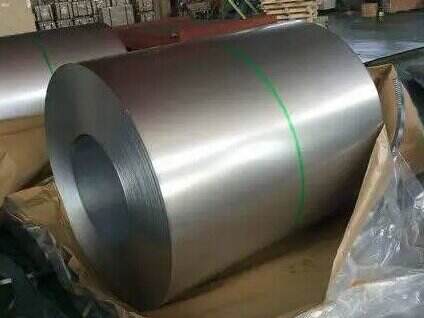
Selecting the appropriate hot dipped galvanized thickness for marine or industrial environments requires careful consideration of multiple technical and environmental factors that directly impact corrosion protection performance and service life. The thickness of the galvanized coating serves as the primary defense barrier against aggressive corrosive elements, making this decision critical for project success and long-term asset protection. Understanding how coating thickness correlates with environmental exposure conditions, substrate material properties, and expected service duration enables engineers and procurement professionals to make informed specifications that optimize both protection and cost-effectiveness.
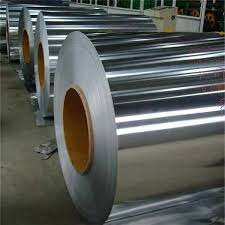
The selection process for hot dipped galvanized thickness involves analyzing corrosivity categories, steel substrate specifications, design life requirements, and maintenance accessibility to determine the optimal coating specification. Marine applications typically demand higher thickness values due to chloride exposure and humidity levels, while industrial settings may require different thickness considerations based on chemical exposure, temperature cycling, and mechanical stress factors. This systematic approach ensures that the galvanized coating provides adequate protection throughout the intended service period while meeting project budget constraints and performance expectations.
Understanding Corrosivity Classification Systems for Thickness Selection
ISO Corrosivity Categories and Their Thickness Implications
The ISO 12944 corrosivity classification system provides the foundational framework for determining appropriate hot dipped galvanized thickness based on environmental exposure conditions. Category C1 represents very low corrosivity environments such as heated buildings with clean atmospheres, requiring minimal coating thickness typically around 35-50 microns. Category C2 covers low corrosivity conditions including unheated buildings and rural atmospheres, where hot dipped galvanized thickness specifications typically range from 50-70 microns for adequate protection.
Medium corrosivity environments classified as C3 include urban and industrial atmospheres with moderate sulfur dioxide pollution, coastal areas with low salinity, and production areas with high humidity. These conditions necessitate hot dipped galvanized thickness values between 70-120 microns depending on specific exposure factors and design life requirements. The thickness selection within this range depends on additional factors such as temperature cycling, mechanical stress, and maintenance accessibility that can influence corrosion progression rates.
High corrosivity C4 environments encompass industrial areas with moderate chloride exposure and coastal regions with moderate salinity levels. These aggressive conditions require hot dipped galvanized thickness specifications typically ranging from 120-200 microns to ensure adequate protection throughout the design service life. The upper thickness ranges become necessary when multiple corrosive factors combine, such as high humidity with chloride exposure and elevated temperatures that accelerate corrosion kinetics.
Marine Environment Specific Corrosivity Assessment
Marine environments present unique corrosivity challenges that require specialized consideration when determining hot dipped galvanized thickness requirements. Splash zone applications experience the most aggressive corrosive conditions, with direct saltwater contact, wet-dry cycling, and high chloride concentrations demanding maximum coating thickness values. These extreme exposure conditions typically require hot dipped galvanized thickness specifications of 200-300 microns or higher to achieve acceptable service life performance.
Atmospheric marine zones located within 1-5 kilometers of coastlines experience elevated chloride deposition rates and humidity levels that significantly accelerate zinc corrosion rates compared to inland environments. The hot dipped galvanized thickness selection for these applications must account for airborne salt particle deposition, prevailing wind patterns, and seasonal variation in corrosive loading. Thickness specifications typically range from 100-180 microns depending on distance from shore and local microclimate factors.
Submerged marine applications present different corrosion mechanisms where oxygen availability becomes the controlling factor rather than chloride concentration alone. The hot dipped galvanized thickness requirements for continuously submerged components may differ from splash zone specifications due to reduced oxygen transport and different electrochemical conditions. Understanding these mechanistic differences enables more precise thickness selection tailored to specific marine exposure scenarios.
Steel Substrate Properties and Coating Thickness Relationships
Substrate Chemistry Effects on Coating Formation
The chemical composition of the steel substrate significantly influences both the achievable hot dipped galvanized thickness and the coating structure characteristics that determine corrosion protection performance. Silicon content in steel affects the reaction kinetics during the galvanizing process, with silicon levels between 0.03-0.12% and 0.22-0.28% producing thicker, more brittle coatings. Understanding these substrate-coating interactions enables better prediction of final coating thickness and helps optimize steel selection for specific galvanizing requirements.
Phosphorus content in steel also influences coating formation behavior and final hot dipped galvanized thickness characteristics. Higher phosphorus levels can lead to increased coating thickness but may also result in reduced coating ductility and adhesion properties. The interaction between silicon and phosphorus content creates complex coating formation behavior that must be considered when specifying both steel grade and target coating thickness for critical applications.
Carbon content affects steel surface preparation requirements and coating adhesion characteristics, indirectly influencing the effective protective capacity of a given hot dipped galvanized thickness. Low carbon steels typically produce more uniform coating formation with better adhesion properties, while higher carbon grades may require modified surface preparation procedures to achieve optimal coating quality and thickness uniformity across complex geometries.
Steel Section Thickness and Coating Mass Relationship
The relationship between steel substrate thickness and achievable hot dipped galvanized thickness follows established industry standards that define minimum coating mass requirements based on steel section dimensions. Thicker steel sections typically achieve higher coating thickness due to increased thermal mass during the galvanizing process and longer immersion times required for complete coating formation. Understanding these relationships helps predict final coating thickness and ensures compliance with relevant specifications.
Steel sections thicker than 6mm typically achieve coating thickness values at the upper end of specification ranges, while thin sections below 3mm may require process modifications to achieve target hot dipped galvanized thickness values. The thermal dynamics of the galvanizing bath interaction with different section thicknesses creates predictable patterns in coating formation that can be leveraged for thickness optimization in specific applications.
Complex geometries with varying section thicknesses present challenges for achieving uniform hot dipped galvanized thickness across all surfaces. Thick sections may develop excessive coating thickness while thin sections remain at minimum values, requiring careful design consideration and potentially selective coating specification for different areas of the same component to optimize overall protection performance.
Design Life and Maintenance Considerations for Thickness Specification
Service Life Prediction Models and Thickness Requirements
Accurate prediction of galvanized coating service life based on hot dipped galvanized thickness requires understanding of zinc corrosion rate models and their application to specific environmental conditions. The linear relationship between coating thickness and protection duration provides the basis for thickness selection, with typical corrosion rates ranging from 0.5-2.0 microns per year in moderate environments to 5-15 microns per year in aggressive marine conditions.
Service life prediction models incorporate environmental factors, coating thickness uniformity, and substrate geometry effects to estimate protection duration for specified hot dipped galvanized thickness values. These models help engineers balance initial coating cost against long-term maintenance requirements and replacement scheduling to optimize total cost of ownership throughout the asset lifecycle.
Design life requirements for infrastructure applications typically range from 25-75 years, necessitating careful hot dipped galvanized thickness selection to ensure adequate protection throughout the intended service period. The thickness specification must account for coating consumption during the service life while maintaining sufficient residual thickness to prevent substrate corrosion initiation before scheduled maintenance or replacement.
Maintenance Accessibility and Inspection Requirements
Maintenance accessibility significantly influences optimal hot dipped galvanized thickness selection, as components in difficult-to-reach locations require higher initial coating thickness to compensate for limited maintenance opportunities. Structures with restricted access for inspection and maintenance should specify coating thickness values at the upper end of applicable ranges to maximize service life and reduce maintenance frequency requirements.
Inspection requirements for monitoring coating condition throughout the service life must be considered when selecting hot dipped galvanized thickness specifications. Thicker coatings provide longer warning periods as coating degradation approaches critical levels, allowing more time for maintenance planning and execution. This consideration becomes particularly important for safety-critical applications where coating failure could compromise structural integrity.
Remote or offshore installations require enhanced hot dipped galvanized thickness specifications to account for extended maintenance intervals and harsh environmental conditions that limit inspection frequency. The coating thickness must provide adequate protection buffer to accommodate uncertain maintenance scheduling and potential delays in coating repair or renewal activities.
Application-Specific Thickness Selection Guidelines
Marine Infrastructure Coating Requirements
Marine infrastructure applications require specialized hot dipped galvanized thickness specifications that address the unique corrosive challenges of saltwater environments and coastal atmospheres. Pier structures, marine terminals, and offshore platforms typically specify coating thickness values between 150-300 microns depending on exposure zone and design life requirements. The selection within this range depends on specific factors such as tidal exposure patterns, wave action intensity, and seasonal environmental variations.
Bridge structures in marine environments require careful hot dipped galvanized thickness specification that accounts for varying exposure conditions across different structural elements. Components in direct splash zones require maximum coating thickness, while elevated elements may utilize moderate thickness specifications appropriate for atmospheric marine exposure. This graduated approach optimizes coating protection while managing project costs effectively.
Harbor and port facilities present complex exposure scenarios where hot dipped galvanized thickness requirements vary significantly based on functional location and operational factors. Cargo handling equipment, mooring hardware, and structural supports each require tailored coating specifications that address specific corrosive loading patterns and mechanical stress factors that influence coating performance and longevity.
Industrial Process Environment Applications
Chemical processing facilities require hot dipped galvanized thickness specifications that address both atmospheric corrosion and potential chemical exposure from process emissions or accidental releases. The coating thickness selection must consider chemical compatibility, temperature effects, and potential for localized aggressive conditions that may accelerate coating degradation beyond normal atmospheric corrosion rates.
Power generation facilities present diverse coating requirements where hot dipped galvanized thickness specifications must address cooling tower environments, coal handling areas, and ash handling systems with varying corrosive characteristics. Each application zone requires specific thickness consideration based on environmental factors such as humidity levels, chemical exposure potential, and operational temperature ranges.
Manufacturing facilities typically require moderate hot dipped galvanized thickness specifications ranging from 70-150 microns depending on production processes and indoor/outdoor exposure conditions. The selection considers factors such as process emissions, humidity control systems, and maintenance accessibility to ensure optimal protection throughout the facility operational lifecycle.
FAQ
What is the minimum hot dipped galvanized thickness required for marine splash zone applications?
Marine splash zone applications typically require minimum hot dipped galvanized thickness values of 200-300 microns to provide adequate corrosion protection against direct saltwater contact and aggressive wet-dry cycling conditions. This thickness range ensures sufficient coating mass to withstand accelerated corrosion rates in these extremely aggressive environments while providing acceptable service life for most infrastructure applications.
How does steel substrate composition affect achievable coating thickness?
Steel substrate composition, particularly silicon and phosphorus content, significantly influences both the reaction kinetics during galvanizing and the final achievable hot dipped galvanized thickness. Silicon levels between 0.03-0.12% and 0.22-0.28% typically produce thicker coatings due to enhanced iron-zinc reaction rates, while phosphorus content can increase coating thickness but may reduce ductility and adhesion properties.
What factors determine coating thickness requirements for 50-year design life applications?
For 50-year design life applications, hot dipped galvanized thickness requirements depend on environmental corrosivity classification, expected corrosion rates, and maintenance accessibility. Typical thickness specifications range from 120-250 microns, with higher values required for aggressive environments or limited maintenance access scenarios to ensure adequate coating reserves throughout the extended service period.
How should coating thickness specifications vary between different exposure zones on the same structure?
Coating thickness specifications should be tailored to specific exposure conditions within the same structure, with splash zones requiring maximum hot dipped galvanized thickness values of 200-300 microns, atmospheric marine areas needing 100-180 microns, and sheltered locations potentially utilizing 70-120 microns. This graduated approach optimizes protection while managing costs by matching coating thickness to actual environmental exposure severity.
Table of Contents
- Understanding Corrosivity Classification Systems for Thickness Selection
- Steel Substrate Properties and Coating Thickness Relationships
- Design Life and Maintenance Considerations for Thickness Specification
- Application-Specific Thickness Selection Guidelines
-
FAQ
- What is the minimum hot dipped galvanized thickness required for marine splash zone applications?
- How does steel substrate composition affect achievable coating thickness?
- What factors determine coating thickness requirements for 50-year design life applications?
- How should coating thickness specifications vary between different exposure zones on the same structure?