 EN
EN
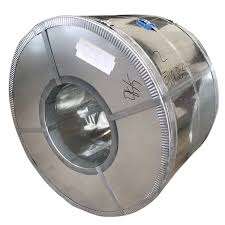
The remarkable longevity of hot dipped galvanized coating stems from its unique metallurgical properties and the formation of multiple protective zinc-iron alloy layers that create an impenetrable barrier against corrosive elements. This sophisticated coating process delivers exceptional durability by combining sacrificial protection with barrier protection, enabling structures to withstand decades of exposure to moisture, salt spray, industrial pollutants, and extreme weather conditions. Understanding the scientific mechanisms behind this protection reveals why hot dipped galvanized coating has become the gold standard for long-term corrosion resistance in critical infrastructure applications.
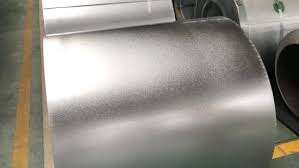
The extended service life of hot dipped galvanized coating results from the formation of intermetallic zinc-iron alloy layers that bond permanently with the base steel substrate during the galvanizing process. These metallurgically bonded layers create a protective system that responds dynamically to environmental threats, providing both immediate protection and self-healing capabilities that maintain coating integrity for decades. The combination of zinc's electrochemical properties with the robust alloy layer structure ensures consistent performance across diverse exposure conditions, from marine environments to industrial atmospheres.
Metallurgical Foundation of Extended Durability
Zinc-Iron Alloy Layer Formation
The exceptional durability of hot dipped galvanized coating begins with the formation of distinct zinc-iron alloy layers during the galvanizing process when steel is immersed in molten zinc at temperatures around 450°C. This high-temperature reaction creates four distinct intermetallic layers: the gamma layer, delta layer, zeta layer, and pure zinc eta layer, each contributing specific protective properties. The gamma layer, closest to the steel substrate, contains approximately 21-28% iron and forms an extremely hard, dense barrier that prevents moisture and oxygen penetration to the underlying steel.
The delta layer, containing 7-11% iron, provides intermediate hardness and flexibility that accommodates thermal expansion and mechanical stress without cracking. The zeta layer, with minimal iron content, offers excellent corrosion resistance while maintaining good adherence to the outer pure zinc layer. This layered structure creates redundant protection where damage to outer layers still leaves multiple protective barriers intact, explaining why hot dipped galvanized coating maintains effectiveness even after minor surface damage occurs during handling or service.
Metallurgical Bonding Mechanisms
The permanent metallurgical bond between hot dipped galvanized coating and steel substrate eliminates the adhesion failures common in applied coating systems, ensuring the protective layers remain intact throughout the structure's service life. During galvanizing, iron atoms from the steel diffuse into the molten zinc while zinc atoms penetrate the steel surface, creating true alloy formation rather than simple surface adhesion. This diffusion process continues until equilibrium is reached, typically forming alloy layers with total thickness ranging from 85-200 micrometers depending on steel composition and immersion time.
The resulting bond strength exceeds that of the base steel itself, meaning the hot dipped galvanized coating will not delaminate or separate under normal service conditions. This metallurgical integration ensures that thermal cycling, mechanical vibration, and structural loading cannot compromise the coating integrity, maintaining continuous protection throughout decades of service. The bond formation also creates a gradual transition zone between the steel and zinc layers, eliminating sharp interfaces that could become failure points under stress.
Electrochemical Protection Mechanisms
Sacrificial Cathodic Protection
The fundamental reason hot dipped galvanized coating provides decades of corrosion protection lies in zinc's position in the galvanic series, where it acts as a sacrificial anode that protects steel even when the coating is damaged or scratched. When moisture creates an electrolytic environment, zinc preferentially corrodes instead of the underlying steel, effectively extending protection beyond the physical barrier of the coating itself. This electrochemical protection continues as long as zinc remains in electrical contact with the steel substrate, providing active corrosion prevention rather than passive barrier protection alone.
The sacrificial protection mechanism of hot dipped galvanized coating extends several millimeters beyond damaged areas, ensuring that small scratches, cuts, or worn spots do not immediately lead to steel corrosion. This self-protecting characteristic means that minor coating damage during installation or service does not compromise the overall protective system, maintaining structural integrity throughout the design life. The rate of zinc sacrifice is predictable and controlled, allowing engineers to calculate service life based on coating thickness and environmental exposure conditions.
Zinc Corrosion Product Formation
When hot dipped galvanized coating begins to corrode, it forms stable zinc corrosion products that create additional protective barriers rather than simply wearing away like conventional coatings. In atmospheric conditions, zinc reacts with oxygen, moisture, and carbon dioxide to form zinc carbonate and zinc hydroxide compounds that adhere strongly to the remaining zinc surface. These corrosion products are dense, adherent, and significantly less permeable than the original zinc, effectively slowing further corrosion progression and extending coating life.
The formation of protective zinc patina represents a self-limiting corrosion process where the initial corrosion products inhibit further degradation rather than accelerating it. In marine environments, zinc corrosion products include zinc chloride hydroxides that form compact, protective layers resistant to salt spray penetration. This patina formation explains why hot dipped galvanized coating often exceeds predicted service life in real-world applications, as the protective system becomes more robust over time rather than simply depleting.
Environmental Resistance Factors
Atmospheric Corrosion Resistance
Hot dipped galvanized coating achieves exceptional longevity in atmospheric environments through its ability to form protective patina layers that adapt to specific environmental conditions while maintaining barrier properties. In rural and suburban atmospheres with low pollution levels, the coating develops a stable zinc carbonate patina that provides excellent long-term protection with minimal thickness loss over decades. Urban and industrial environments promote the formation of different but equally protective zinc corrosion products that resist acid rain, sulfur compounds, and other atmospheric pollutants.
The atmospheric corrosion rate of hot dipped galvanized coating follows predictable patterns based on environmental factors including humidity, temperature cycling, pollutant levels, and salt deposition. Research data shows that coating consumption rates range from 0.1 micrometers per year in benign rural environments to 2-5 micrometers per year in aggressive industrial or marine atmospheres. With typical coating thicknesses of 85-200 micrometers, this translates to service lives ranging from 20-50 years or more, depending on exposure conditions and required performance criteria.
Marine Environment Performance
In harsh marine environments where salt spray, humidity, and temperature fluctuations create extremely corrosive conditions, hot dipped galvanized coating maintains protection through specialized corrosion product formation and enhanced sacrificial protection mechanisms. The high chloride content in marine atmospheres accelerates zinc corrosion initially but leads to the formation of dense, protective zinc chloride hydroxide compounds that effectively seal the surface against further penetration. These marine-specific corrosion products exhibit excellent adhesion and low permeability characteristics.
Coastal and offshore applications of hot dipped galvanized coating demonstrate service lives of 25-40 years even under direct salt spray exposure, with performance dependent on distance from the shoreline and local environmental factors. The coating's ability to provide cathodic protection to exposed steel areas becomes particularly valuable in marine environments where coating damage from impact, abrasion, or thermal cycling is more likely to occur. Field studies of marine structures show that properly applied hot dipped galvanized coating maintains structural integrity and appearance far longer than alternative coating systems in these challenging environments.
Coating Thickness and Performance Correlation
Thickness-to-Longevity Relationships
The direct correlation between hot dipped galvanized coating thickness and service life provides predictable performance metrics that enable accurate lifecycle cost calculations and maintenance planning for long-term infrastructure projects. Coating thickness depends on steel composition, section size, and galvanizing parameters, with heavier steel sections typically developing thicker coatings due to longer immersion times and thermal mass effects. Standard coating thicknesses range from 45 micrometers minimum for small fabricated items to over 200 micrometers for heavy structural sections and reactive steel grades.
Performance data demonstrates that each additional 10 micrometers of hot dipped galvanized coating thickness typically extends service life by 2-4 years in moderate atmospheric conditions, with the relationship varying based on environmental severity. Thick coatings on heavy structural members often exceed 50-year service lives in many environments, while thinner coatings on smaller components still provide 20-30 years of maintenance-free protection. This thickness-performance relationship allows engineers to specify appropriate steel grades and section sizes to achieve target service lives without over-designing the protective system.
Quality Control and Consistency Factors
The consistent long-term performance of hot dipped galvanized coating depends on strict quality control during the galvanizing process, including proper surface preparation, bath chemistry management, and coating thickness verification throughout production runs. Modern galvanizing facilities employ continuous monitoring of zinc bath temperature, composition, and immersion parameters to ensure uniform coating development and optimal alloy layer formation. Coating thickness measurements using magnetic and ultrasonic methods verify compliance with specification requirements and identify any process variations that could affect long-term performance.
Quality assurance protocols for hot dipped galvanized coating include visual inspection for surface defects, adherence testing to verify metallurgical bonding, and thickness mapping to ensure adequate protection across all surfaces including complex geometries and connection details. Consistent application of these quality measures ensures that the coating will perform as predicted throughout its design life, providing reliable protection that justifies the initial investment in galvanizing. Documentation of coating specifications and quality test results enables performance tracking and validation of service life predictions over decades of field exposure.
FAQ
How does hot dipped galvanized coating thickness affect its 50-year protection capability?
Coating thickness directly determines service life, with thicker hot dipped galvanized coating providing proportionally longer protection periods. Standard structural galvanizing produces coatings of 85-200 micrometers thickness, which translates to 25-50+ year service lives depending on environmental exposure. Each additional 10 micrometers of coating typically extends protection by 2-4 years in moderate atmospheric conditions, while harsh marine or industrial environments consume coating more rapidly but still achieve decades of reliable performance.
What environmental factors most influence the longevity of hot dipped galvanized coating?
Environmental severity significantly impacts hot dipped galvanized coating performance, with humidity levels, atmospheric pollutants, salt exposure, and temperature cycling being primary factors. Marine environments with salt spray typically consume 2-5 micrometers of coating annually, while benign rural atmospheres may only consume 0.1-0.5 micrometers per year. Industrial environments with sulfur compounds and acid precipitation create intermediate corrosion rates, but the coating's protective patina formation helps maintain long-term effectiveness across all exposure conditions.
Can damaged hot dipped galvanized coating still provide corrosion protection?
Yes, hot dipped galvanized coating continues protecting steel even when damaged through its sacrificial cathodic protection mechanism, where zinc preferentially corrodes to protect exposed steel areas. Small scratches, cuts, or worn spots receive electrochemical protection extending several millimeters beyond the damage, preventing immediate steel corrosion. This self-protecting characteristic ensures that minor coating damage during installation or service does not compromise overall structural protection throughout the design service life.
Why does hot dipped galvanized coating often exceed its predicted service life?
Hot dipped galvanized coating frequently surpasses predicted service life due to protective patina formation that creates additional barriers beyond the original zinc layer. As the coating weathers, it develops stable zinc corrosion products that are denser and less permeable than the original zinc, effectively slowing further corrosion progression. This self-limiting corrosion process, combined with continued sacrificial protection from remaining zinc, often extends actual performance well beyond conservative engineering predictions based solely on coating consumption rates.
Table of Contents
- Metallurgical Foundation of Extended Durability
- Electrochemical Protection Mechanisms
- Environmental Resistance Factors
- Coating Thickness and Performance Correlation
-
FAQ
- How does hot dipped galvanized coating thickness affect its 50-year protection capability?
- What environmental factors most influence the longevity of hot dipped galvanized coating?
- Can damaged hot dipped galvanized coating still provide corrosion protection?
- Why does hot dipped galvanized coating often exceed its predicted service life?