 EN
EN
In today's demanding industrial environment, selecting the right fastening solutions for extreme weather applications requires careful consideration of both durability and performance characteristics. Hot dipped galvanized fasteners have emerged as a premier choice for construction professionals, engineers, and manufacturers who need reliable connections that can withstand harsh environmental conditions while maintaining structural integrity. These specialized fasteners undergo a comprehensive coating process that provides exceptional corrosion resistance, making them ideal for outdoor applications where exposure to moisture, salt air, and temperature fluctuations is constant. The unique metallurgical bond created during the hot dip galvanizing process ensures that hot dipped galvanized fasteners deliver consistent performance across diverse climate conditions.
Understanding the Hot Dip Galvanizing Process
Metallurgical Transformation and Coating Formation
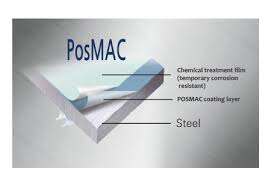
The hot dip galvanizing process represents a sophisticated metallurgical treatment that transforms ordinary steel fasteners into highly durable, weather-resistant components. During this process, cleaned steel fasteners are immersed in molten zinc at temperatures exceeding 840 degrees Fahrenheit, creating multiple intermetallic layers that bond permanently with the base metal. This chemical reaction produces a coating that becomes an integral part of the fastener rather than simply a surface treatment. The resulting hot dipped galvanized fasteners feature a multi-layered zinc-iron alloy structure that provides superior adhesion and impact resistance compared to alternative coating methods.
The thickness of the galvanized coating typically ranges from 3.5 to 5 mils, depending on the fastener size and steel composition. This substantial coating thickness ensures that hot dipped galvanized fasteners maintain their protective properties even after installation stresses and minor surface damage. The outer layer consists of pure zinc, while the inner layers contain progressively higher iron content, creating a gradual transition that minimizes stress concentrations and enhances overall durability.
Quality Control and Inspection Standards
Manufacturing hot dipped galvanized fasteners requires adherence to strict quality control protocols that govern every aspect of the galvanizing process. Pre-treatment procedures include thorough cleaning, pickling, and fluxing to ensure optimal zinc adhesion and uniform coating distribution. Temperature monitoring systems maintain precise thermal conditions throughout the galvanizing bath, while automated handling equipment minimizes coating irregularities and ensures consistent quality across production batches.
Post-galvanizing inspection procedures verify coating thickness, surface finish quality, and dimensional accuracy according to established industry standards such as ASTM A153 and ISO 1461. These comprehensive quality measures ensure that each batch of hot dipped galvanized fasteners meets performance specifications for specific environmental exposure categories and service life requirements.
Weather Resistance Characteristics
Corrosion Protection in Marine Environments
Marine environments present some of the most challenging conditions for fastener performance, combining constant moisture exposure with high salt concentrations that accelerate corrosion processes. Hot dipped galvanized fasteners excel in these demanding conditions due to their sacrificial protection mechanism, where the zinc coating corrodes preferentially to protect the underlying steel substrate. This electrochemical protection continues to function even when the coating experiences minor damage or wear, providing long-term reliability in coastal construction projects.
Field studies conducted in marine environments demonstrate that properly applied hot dipped galvanized fasteners can provide 50 years or more of maintenance-free service in moderate marine conditions. The zinc coating forms stable corrosion products that create additional protective barriers, further extending service life in salt spray conditions. For critical marine applications, hot dipped galvanized fasteners often incorporate additional protective measures such as organic topcoats or duplex systems for enhanced performance.
Temperature Cycling and Thermal Stress Management
Extreme temperature variations pose significant challenges for fastener integrity, as thermal expansion and contraction cycles can create stress concentrations that lead to premature failure. Hot dipped galvanized fasteners address these concerns through their unique coating structure, which maintains flexibility and adhesion across wide temperature ranges. The zinc-iron intermetallic layers possess thermal expansion coefficients that closely match the base steel, minimizing interfacial stresses during temperature cycling.
Performance testing indicates that hot dipped galvanized fasteners maintain their protective properties from -40°F to 392°F (-40°C to 200°C), covering the operational temperature range for most industrial applications. The galvanized coating continues to provide corrosion protection throughout this temperature range, while the underlying steel retains its mechanical properties. This thermal stability makes hot dipped galvanized fasteners suitable for applications ranging from arctic construction projects to high-temperature industrial installations.
Mechanical Properties and Structural Performance
Tensile Strength and Load-Bearing Capacity
One common misconception regarding galvanized fasteners concerns potential reduction in mechanical properties due to the coating process. However, properly manufactured hot dipped galvanized fasteners maintain their full design strength characteristics while gaining enhanced environmental resistance. The galvanizing process temperature and duration are carefully controlled to avoid hydrogen embrittlement or other metallurgical changes that could compromise tensile strength or fatigue resistance.
Standard mechanical property testing confirms that hot dipped galvanized fasteners meet or exceed the strength requirements specified for their uncoated counterparts. Grade 5 and Grade 8 galvanized bolts, for example, retain their full proof load and tensile strength ratings while providing superior corrosion resistance. This combination of mechanical performance and environmental protection makes hot dipped galvanized fasteners the preferred choice for structural applications where both strength and durability are critical requirements.
Fatigue Resistance and Dynamic Loading
Dynamic loading conditions, such as those encountered in bridge construction, wind turbine installations, and seismic-resistant structures, require fasteners that can withstand millions of loading cycles without failure. Hot dipped galvanized fasteners demonstrate excellent fatigue performance due to their uniform coating distribution and absence of sharp edges or stress concentrators that could initiate crack formation. The smooth, rounded coating profile typical of hot dip galvanizing helps distribute loads evenly across the fastener surface.
Fatigue testing of hot dipped galvanized fasteners under various loading conditions shows that the galvanized coating does not significantly affect fatigue life compared to uncoated fasteners of equivalent grade. In many cases, the corrosion protection provided by galvanizing actually extends fatigue life by preventing pit formation and other corrosion-related stress concentrations that could lead to premature crack initiation.
Application-Specific Performance Considerations
Infrastructure and Transportation Projects
Infrastructure projects represent one of the largest markets for hot dipped galvanized fasteners, encompassing highway construction, bridge building, and utility installations where long-term reliability is essential. These applications typically involve extended exposure to de-icing salts, automotive emissions, and varying weather conditions that create aggressive corrosive environments. Hot dipped galvanized fasteners provide the durability needed for these demanding applications while offering economic advantages through reduced maintenance requirements.
Transportation infrastructure projects often specify hot dipped galvanized fasteners for critical connections where replacement would be difficult or costly. Highway guardrail systems, bridge deck connections, and sign structure installations rely on the proven performance of galvanized fasteners to maintain safety and structural integrity throughout their design life. The ability of hot dipped galvanized fasteners to perform reliably in these applications has led to their widespread adoption in transportation infrastructure codes and specifications.
Industrial and Manufacturing Environments
Industrial facilities present unique challenges for fastener selection, with exposure to chemical vapors, process emissions, and varying humidity levels creating complex corrosive environments. Hot dipped galvanized fasteners offer excellent resistance to many industrial atmospheres, particularly those containing sulfur compounds, chlorides, and other common industrial pollutants. The thick zinc coating provides a robust barrier against atmospheric corrosion while maintaining compatibility with most industrial chemicals.
Manufacturing facilities in coastal areas benefit significantly from the marine corrosion resistance of hot dipped galvanized fasteners, especially in applications involving structural steelwork, equipment mounting, and building envelope connections. The long service life of galvanized fasteners in these environments reduces maintenance costs and minimizes production disruptions associated with fastener replacement or repair.
Comparative Analysis with Alternative Fastener Coatings
Mechanical Plating and Electroplating Comparison
While mechanical plating and electroplating offer cost advantages for some applications, hot dipped galvanized fasteners provide superior performance characteristics for extreme weather exposure. Mechanical plating typically produces coating thickness of 0.2 to 0.5 mils, significantly thinner than hot dip galvanizing, resulting in shorter service life in aggressive environments. Electroplated coatings, while offering precise thickness control, lack the metallurgical bond that characterizes hot dipped galvanized fasteners.
Adhesion testing demonstrates that hot dipped galvanized fasteners maintain their coating integrity under impact and abrasion conditions that would damage thinner plated coatings. The sacrificial protection mechanism of zinc galvanizing continues to function even when the coating experiences localized damage, whereas damaged plated coatings often provide little protection to the underlying steel substrate.
Stainless Steel and Specialty Alloy Alternatives
Stainless steel fasteners offer excellent corrosion resistance and maintained appearance, but at significantly higher initial cost compared to hot dipped galvanized fasteners. For many applications, the performance advantage of stainless steel does not justify the cost premium, particularly when proper grade selection and installation practices are followed for galvanized fasteners. Hot dipped galvanized fasteners provide a cost-effective solution that meets performance requirements for most extreme weather applications.
Specialty alloy fasteners, such as those manufactured from Monel or Inconel, offer superior performance in highly specialized environments but at costs that can be 10 to 20 times higher than hot dipped galvanized fasteners. These exotic materials are typically reserved for aerospace, chemical processing, and other applications where their unique properties justify the substantial cost premium.
Installation Best Practices for Optimal Performance
Proper Storage and Handling Procedures
Maximizing the performance potential of hot dipped galvanized fasteners requires attention to proper storage and handling practices from delivery through installation. Galvanized fasteners should be stored in dry, well-ventilated areas to prevent moisture accumulation that could lead to white rust formation on the zinc coating surface. While white rust does not compromise the protective properties of hot dipped galvanized fasteners, it can affect appearance and may indicate inadequate storage conditions.
Handling procedures should minimize coating damage during transportation and installation, as abraded areas require longer periods for zinc patina formation and full protective capability. Using appropriate lifting equipment and avoiding dragging or impact damage helps preserve coating integrity and ensures optimal performance of hot dipped galvanized fasteners in service.
Installation Techniques and Torque Considerations
Proper installation techniques are crucial for achieving optimal performance from hot dipped galvanized fasteners, particularly regarding torque application and thread engagement. The zinc coating adds thickness to threaded fasteners, which may require adjustment of standard torque specifications to achieve proper preload. Most manufacturers provide specific torque recommendations for hot dipped galvanized fasteners based on fastener size and grade.
Thread engagement requirements may also require attention when using galvanized nuts and bolts, as the coating thickness can affect fit and engagement characteristics. Using calibrated torque equipment and following manufacturer specifications ensures that hot dipped galvanized fasteners achieve their full strength potential while maintaining coating integrity during installation.
Long-Term Performance and Maintenance
Service Life Expectations and Inspection Protocols
Hot dipped galvanized fasteners are designed to provide decades of maintenance-free service in most environmental conditions, with actual service life depending on exposure severity and local atmospheric conditions. Coastal installations may experience different performance characteristics compared to inland applications, but properly specified hot dipped galvanized fasteners typically exceed 25 years of service life even in challenging environments.
Periodic inspection of hot dipped galvanized fasteners focuses on coating condition and any signs of excessive corrosion or mechanical damage. Visual inspection can identify areas where coating damage has occurred, allowing for targeted maintenance before underlying steel corrosion begins. The self-healing properties of zinc galvanizing mean that minor coating damage does not immediately compromise fastener performance.
Maintenance Requirements and Repair Procedures
One of the primary advantages of hot dipped galvanized fasteners is their minimal maintenance requirements compared to alternative protection systems. Unlike painted or organically coated fasteners, galvanized fasteners do not require periodic recoating or extensive maintenance programs to maintain their protective properties. When maintenance is required, zinc-rich touch-up paints or spray coatings can restore protection to damaged areas.
Major repairs involving fastener replacement should use hot dipped galvanized fasteners of equivalent or superior specification to maintain system performance. Mixing galvanized and ungalvanized fasteners in the same connection can create galvanic corrosion concerns that may affect long-term performance.
FAQ
How long do hot dipped galvanized fasteners last in marine environments
Hot dipped galvanized fasteners typically provide 15 to 25 years of service life in moderate marine environments, with actual performance depending on specific exposure conditions such as distance from saltwater, prevailing winds, and local atmospheric pollutants. Fasteners in direct splash zones may experience shorter service life, while those in protected locations can exceed 50 years. Regular inspection and proper installation practices help maximize service life in marine applications.
Can hot dipped galvanized fasteners be used in high-temperature applications
Hot dipped galvanized fasteners maintain their protective properties and mechanical strength at temperatures up to 392°F (200°C), making them suitable for most industrial applications. Above this temperature range, the zinc coating may begin to volatilize, reducing protective effectiveness. For high-temperature applications exceeding the galvanizing temperature limit, stainless steel or specialty alloy fasteners may be more appropriate alternatives.
Do hot dipped galvanized fasteners require special installation tools or techniques
Hot dipped galvanized fasteners generally use standard installation tools and techniques, though torque specifications may require adjustment due to coating thickness effects on thread friction. Most manufacturers provide specific torque recommendations for their galvanized fasteners. Using calibrated torque equipment and following manufacturer guidelines ensures proper installation without coating damage or inadequate preload.
What is the cost difference between hot dipped galvanized fasteners and standard fasteners
Hot dipped galvanized fasteners typically cost 15 to 30 percent more than equivalent uncoated fasteners, depending on size, grade, and quantity. However, the extended service life and reduced maintenance requirements often provide significant total cost savings over the fastener lifecycle, particularly in aggressive environments where frequent replacement of unprotected fasteners would be required. The cost premium is usually recovered within the first few years of service through avoided maintenance and replacement costs.
Table of Contents
- Understanding the Hot Dip Galvanizing Process
- Weather Resistance Characteristics
- Mechanical Properties and Structural Performance
- Application-Specific Performance Considerations
- Comparative Analysis with Alternative Fastener Coatings
- Installation Best Practices for Optimal Performance
- Long-Term Performance and Maintenance
-
FAQ
- How long do hot dipped galvanized fasteners last in marine environments
- Can hot dipped galvanized fasteners be used in high-temperature applications
- Do hot dipped galvanized fasteners require special installation tools or techniques
- What is the cost difference between hot dipped galvanized fasteners and standard fasteners