 EN
EN
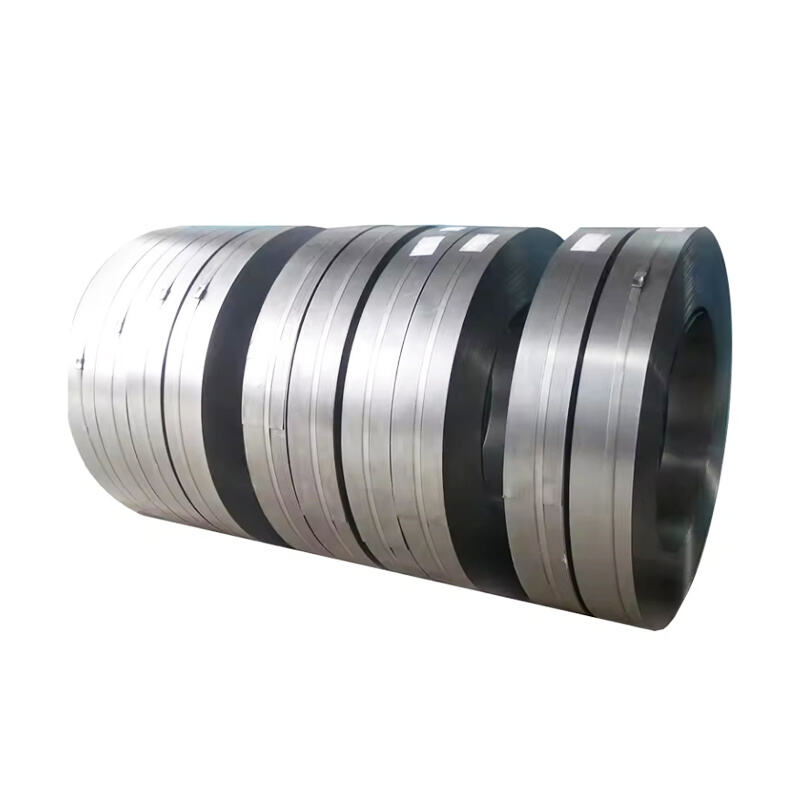
Hot dipped galvanized steel represents one of the most reliable and cost-effective methods for protecting metal structures from corrosion in industrial applications. When planning a project that requires corrosion-resistant steel components, understanding the fundamental differences between batch and continuous galvanizing processes becomes crucial for making informed decisions. The selection between these two hot dipped galvanized methods can significantly impact project timelines, costs, and final product quality. Manufacturing professionals must carefully evaluate their specific requirements to determine which hot dipped galvanized approach will deliver optimal results for their particular application.
Understanding Hot Dipped Galvanized Process Fundamentals
The Science Behind Zinc Coating Protection
The hot dipped galvanized process involves immersing steel components in molten zinc at temperatures reaching approximately 460 degrees Celsius. This metallurgical reaction creates multiple zinc-iron alloy layers that form an integral bond with the base steel substrate. The resulting protective coating provides exceptional corrosion resistance through both barrier protection and cathodic protection mechanisms. The zinc coating sacrificially corrodes before the underlying steel, ensuring long-term structural integrity even when the coating experiences minor damage or scratches.
During the hot dipped galvanized process, the steel surface undergoes thorough preparation including degreasing, pickling, and fluxing to ensure optimal zinc adhesion. The chemical cleaning removes mill scale, rust, and contaminants that could interfere with proper coating formation. The flux solution, typically containing zinc chloride and ammonium chloride, creates a protective layer that prevents oxidation during the heating phase before galvanizing. This meticulous preparation ensures uniform coating distribution and maximum adhesion strength across all treated surfaces.
Quality Standards and Specifications
Industry standards such as ASTM A153 and ISO 1461 establish minimum coating thickness requirements for hot dipped galvanized components based on steel thickness and application requirements. These specifications ensure consistent protection levels across different manufacturing facilities and geographic regions. The coating thickness typically ranges from 45 to 85 micrometers for structural steel applications, with thicker sections receiving proportionally heavier coatings. Regular quality control testing including coating thickness measurements, adhesion tests, and visual inspections maintains compliance with established standards throughout production.
The appearance characteristics of hot dipped galvanized surfaces can vary depending on steel composition, processing parameters, and cooling conditions. Normal variations include spangled patterns, matte finishes, and slight color differences that do not affect corrosion protection performance. Understanding these aesthetic variations helps project planners set appropriate expectations and specifications for their particular applications. Quality assessment focuses primarily on coating integrity, thickness uniformity, and adherence rather than purely cosmetic considerations.
Batch Hot Dipped Galvanized Processing Characteristics
Equipment and Facility Requirements
Batch hot dipped galvanized facilities utilize overhead crane systems to handle fabricated steel assemblies through sequential processing stations. The galvanizing kettle dimensions typically accommodate components up to 12 meters in length and 2 meters in width, though larger facilities may handle oversized structural elements. Batch processing requires substantial floor space for component staging, cooling areas, and finished product storage. The facility layout must accommodate efficient material flow while maintaining safety protocols for high-temperature operations and zinc fume management.
The batch hot dipped galvanized process allows for processing complex fabricated assemblies including welded structures, frameworks, and intricate geometric shapes. Components can be processed individually or in groups depending on size constraints and production scheduling requirements. This flexibility makes batch processing particularly suitable for custom fabrications, structural steel assemblies, and projects requiring specialized handling or processing parameters. The ability to adjust processing variables for specific batches enables optimization for different steel grades and geometric configurations.
Production Scheduling and Lead Times
Batch hot dipped galvanized operations typically require longer lead times compared to continuous processing methods due to setup requirements and processing cycle durations. Project scheduling must account for component preparation time, batch assembly, processing cycles, and cooling periods before final inspection and shipping. Typical batch cycle times range from 4 to 8 hours depending on component mass, complexity, and facility capacity. Rush orders may be accommodated through priority scheduling, though this often involves premium pricing and coordination with other customer commitments.
The batch processing approach provides greater flexibility for handling urgent modifications or design changes during project execution phases. Components can be reworked, modified, or replaced within batch schedules more easily than in continuous processing environments. This adaptability proves valuable for construction projects where field conditions may require last-minute adjustments or additional components. However, project planners must balance this flexibility against potentially longer overall processing times when making schedule-critical decisions.
Continuous Hot Dipped Galvanized Processing Methods
High-Volume Production Capabilities
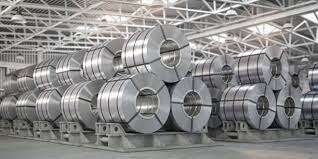
Continuous hot dipped galvanized lines process steel coils or sheets through automated systems capable of handling thousands of tons per day. The steel substrate moves continuously through cleaning, heating, galvanizing, and cooling zones at controlled speeds ranging from 100 to 200 meters per minute. This high-throughput approach makes continuous processing ideal for large-volume applications including automotive components, appliance manufacturing, and construction sheet products. The economies of scale achieved through continuous processing often result in lower per-unit costs for suitable applications.
Modern continuous hot dipped galvanized lines incorporate sophisticated process controls that maintain consistent coating weights and surface quality throughout production runs. Automated thickness monitoring, temperature controls, and zinc chemistry management ensure uniform product characteristics across entire coil lengths. These systems can rapidly adjust processing parameters to accommodate different steel grades, thicknesses, and coating specifications without significant production interruptions. The integration of quality control systems with production controls enables real-time optimization and immediate correction of any deviations from target specifications.
Material Form and Size Limitations
The continuous hot dipped galvanized process is primarily designed for processing flat steel products including sheets, strips, and coils with thickness ranges typically between 0.2 and 3.0 millimeters. Width capabilities generally extend up to 2 meters depending on line specifications and equipment design. These dimensional constraints make continuous processing unsuitable for structural shapes, complex geometries, or pre-fabricated assemblies that cannot pass through the linear processing system. Project requirements involving non-standard shapes or dimensions may necessitate alternative processing methods or post-galvanizing fabrication approaches.
Steel coil processing through continuous hot dipped galvanized lines requires careful coordination between steel production, coil preparation, and galvanizing schedules. Coil joining techniques enable continuous processing of multiple coils while maintaining production efficiency and coating quality. However, coil transitions may create slight variations in coating characteristics that must be considered in quality specifications and downstream processing requirements. The continuous nature of the process provides excellent coating uniformity within individual coil lengths while managing transitions between different material specifications.
Cost Analysis and Economic Considerations
Processing Cost Structures
The cost structure for batch hot dipped galvanized processing typically includes setup charges, processing fees based on component weight or surface area, and handling costs for complex geometries. Batch processing costs may be higher per unit weight compared to continuous methods, but the ability to process fabricated assemblies can eliminate secondary operations and reduce total project costs. Transportation costs, packaging requirements, and delivery scheduling also influence the overall economic equation when comparing processing alternatives.
Continuous hot dipped galvanized processing achieves cost advantages through high-volume throughput and automated operations that reduce labor requirements per unit processed. The economies of scale become particularly significant for large-quantity orders where setup costs can be amortized across substantial production volumes. However, projects requiring smaller quantities may not achieve these cost benefits and could incur minimum order charges or extended lead times if production scheduling cannot accommodate smaller runs efficiently.
Total Project Cost Impact
Beyond direct processing costs, the choice between batch and continuous hot dipped galvanized methods affects multiple project cost elements including fabrication sequencing, inventory management, and installation scheduling. Batch processing allows for galvanizing completed assemblies, potentially reducing field welding and associated labor costs. Continuous processing may require post-galvanizing fabrication with careful attention to coating repair and touch-up requirements at welded connections and cut edges.
Long-term maintenance costs and service life considerations should factor into the economic analysis when selecting between hot dipped galvanized processing methods. Both approaches provide excellent corrosion protection, but coating thickness variations, edge protection, and fabrication sequence effects can influence maintenance requirements and replacement schedules. Life-cycle cost analysis helps justify initial processing decisions by considering total ownership costs over the anticipated service life of the galvanized components.
Technical Performance Comparison
Coating Thickness and Uniformity
Batch hot dipped galvanized processing typically produces heavier coating weights due to longer immersion times and the tendency for zinc to accumulate in corners and recessed areas. This characteristic provides enhanced protection for complex geometries and areas prone to moisture retention or mechanical damage. However, coating thickness variations within individual components may be more pronounced compared to continuous processing methods. The ability to control immersion angles and drainage during batch processing can optimize coating distribution for specific component designs.
Continuous hot dipped galvanized lines maintain precise coating weight control through automated systems that regulate zinc pot chemistry, steel strip speed, and air knife pressure. This controlled environment produces highly uniform coating thickness across the processed material width and length. The consistent coating characteristics benefit applications requiring predictable performance and appearance standards. However, the thinner coating weights typical of continuous processing may require careful consideration for applications in severe corrosive environments or where mechanical damage is likely.
Durability and Service Life Performance
The service life performance of hot dipped galvanized components depends on coating thickness, environmental exposure conditions, and design factors that affect moisture retention and drainage. Batch processing advantages include heavier coating weights and better protection of complex geometries including internal surfaces of hollow sections. These characteristics often translate to extended service life in harsh environments or applications where maintenance access is limited. The ability to galvanize fully assembled structures also eliminates potentially vulnerable welded connections that might compromise coating integrity.
Continuous hot dipped galvanized products demonstrate excellent performance in applications where uniform coating distribution and consistent appearance are priorities. The controlled processing environment produces minimal coating defects and consistent metallurgical properties throughout the coated material. However, post-galvanizing fabrication operations require careful attention to coating repair and edge protection to maintain optimal corrosion resistance. Proper welding procedures, primer application at cut edges, and mechanical damage protection become critical factors in achieving design service life expectations.
Application-Specific Selection Criteria
Structural and Construction Applications
Structural steel applications typically favor batch hot dipped galvanized processing due to the complex geometries, welded assemblies, and size requirements common in construction projects. The ability to galvanize complete structural frames, handrails, and architectural elements provides superior edge protection and eliminates field touch-up requirements. Bridge components, transmission towers, and industrial structures benefit from the heavy coating weights and comprehensive protection achieved through batch processing methods.
Building envelope applications including roofing, siding, and curtain wall components often utilize continuous hot dipped galvanized steel sheets for their uniform appearance and consistent coating characteristics. The flat geometry and moderate coating thickness requirements align well with continuous processing capabilities. However, formed components and complex architectural details may require post-forming operations that could affect coating integrity and appearance uniformity.
Industrial and Manufacturing Requirements
Manufacturing applications requiring high-volume production of similar components often benefit from continuous hot dipped galvanized processing economies and consistent quality characteristics. Automotive components, appliance panels, and electrical enclosures represent typical applications where continuous processing advantages outweigh any geometric limitations. The ability to integrate galvanizing with downstream forming and assembly operations creates manufacturing efficiencies and cost advantages.
Specialized industrial applications including chemical processing equipment, marine structures, and infrastructure components frequently require the enhanced protection and custom processing capabilities available through batch hot dipped galvanized methods. The ability to accommodate unique geometries, heavy sections, and complex assemblies makes batch processing the preferred choice for these demanding applications. Custom alloy additions, extended immersion times, and specialized handling procedures can be implemented to meet specific performance requirements.
FAQ
What factors determine the minimum order quantities for each hot dipped galvanized process?
Minimum order quantities for batch hot dipped galvanized processing are typically determined by kettle capacity utilization and setup costs rather than absolute tonnage requirements. Most batch facilities can accommodate orders ranging from individual components to full kettle loads. Continuous processing facilities usually establish minimum quantities based on coil processing economics and line changeover costs, often requiring several tons per order to achieve cost-effective processing. Project-specific requirements and scheduling flexibility often influence minimum quantity negotiations with processing facilities.
How do post-galvanizing fabrication requirements differ between processing methods?
Post-galvanizing fabrication after continuous hot dipped galvanized processing requires careful attention to coating repair at cut edges, welded joints, and formed areas. Standard procedures include mechanical cleaning of weld zones, application of zinc-rich primers, and thermal spraying for critical connections. Batch processed components typically require minimal post-treatment since fabrication occurs before galvanizing, though field modifications may need touch-up procedures. The choice between pre- and post-galvanizing fabrication significantly affects quality control requirements and long-term performance expectations.
What quality control measures ensure consistent coating performance?
Quality control for hot dipped galvanized components includes coating thickness measurements using magnetic or eddy current methods, visual inspections for surface defects, and adhesion testing through bend or impact procedures. Batch processing facilities typically inspect representative samples from each kettle load, while continuous lines employ automated monitoring systems for real-time thickness control and surface quality assessment. Documented quality procedures, calibrated testing equipment, and third-party certifications provide assurance of consistent coating performance across different processing facilities and time periods.
How do environmental regulations affect processing method selection?
Environmental regulations governing air emissions, wastewater discharge, and waste zinc management apply to both batch and continuous hot dipped galvanized facilities but may affect processing economics differently. Batch facilities often have greater flexibility in managing environmental compliance through campaign processing and optimized facility utilization. Continuous operations typically achieve better emission control through consistent process conditions and integrated pollution control systems. Local environmental requirements, permit conditions, and sustainability objectives may influence the availability and cost-effectiveness of different processing options in specific geographic regions.
Table of Contents
- Understanding Hot Dipped Galvanized Process Fundamentals
- Batch Hot Dipped Galvanized Processing Characteristics
- Continuous Hot Dipped Galvanized Processing Methods
- Cost Analysis and Economic Considerations
- Technical Performance Comparison
- Application-Specific Selection Criteria
-
FAQ
- What factors determine the minimum order quantities for each hot dipped galvanized process?
- How do post-galvanizing fabrication requirements differ between processing methods?
- What quality control measures ensure consistent coating performance?
- How do environmental regulations affect processing method selection?