 EN
EN
Infrastructure development across highways and major transportation corridors demands materials that can withstand decades of exposure to harsh environmental conditions while maintaining structural integrity and aesthetic appeal. Hot dipped galvanized steel poles have emerged as the industry standard for highway lighting and signage applications, offering unparalleled durability, cost-effectiveness, and performance reliability that makes them the preferred choice for engineers, contractors, and transportation authorities worldwide.
Superior Corrosion Protection Through Hot Dip Galvanizing
The Science Behind Galvanized Coating Protection
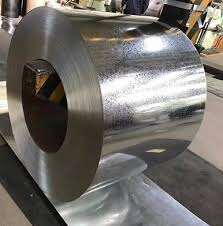
The hot dip galvanizing process creates a metallurgically bonded zinc coating that forms multiple layers of zinc-iron alloys, providing exceptional corrosion resistance that far exceeds conventional coating methods. When steel poles are immersed in molten zinc at temperatures exceeding 840 degrees Fahrenheit, the zinc reacts with the iron in the steel to form a series of zinc-iron intermetallic layers topped with a layer of pure zinc. This process ensures that hot dipped galvanized steel poles develop a protective barrier that sacrificially corrodes before the underlying steel substrate is affected.
The galvanized coating thickness typically ranges from 85 to 200 micrometers, depending on the steel thickness and composition, providing decades of maintenance-free protection against atmospheric corrosion, salt spray, and industrial pollutants commonly encountered in highway environments. This superior corrosion protection mechanism makes hot dipped galvanized steel poles particularly valuable for coastal highways, industrial corridors, and regions with high humidity or aggressive atmospheric conditions.
Cathodic Protection and Self-Healing Properties
One of the most significant advantages of hot dipped galvanized steel poles lies in their cathodic protection capabilities, where the zinc coating acts as a sacrificial anode that preferentially corrodes to protect the steel base material. Even when the galvanized coating experiences minor damage or scratching during installation or maintenance, the zinc continues to provide electrochemical protection to exposed steel areas through galvanic action.
The self-healing properties of galvanized coatings occur through the formation of zinc corrosion products that migrate to cover small areas of exposed steel, effectively sealing minor defects and extending the protective life of the coating. This characteristic ensures that hot dipped galvanized steel poles maintain their protective integrity even under challenging installation conditions or when subjected to minor impact damage from maintenance vehicles or debris.
Structural Performance and Engineering Advantages
Load-Bearing Capacity and Wind Resistance
Highway lighting and signage applications require poles that can safely support significant loads while withstanding dynamic wind forces, seismic activity, and thermal expansion cycles. Hot dipped galvanized steel poles offer exceptional strength-to-weight ratios, allowing engineers to design structures that meet stringent safety factors while minimizing material usage and foundation requirements.
The structural properties of steel remain unchanged during the galvanizing process, ensuring that hot dipped galvanized steel poles retain their full load-bearing capacity and fatigue resistance characteristics. Advanced manufacturing techniques allow for precise tapering, reinforcement placement, and connection details that optimize structural performance for specific wind zone requirements and loading conditions encountered in highway applications.
Dimensional Stability and Thermal Performance
Steel's predictable thermal expansion and contraction characteristics make hot dipped galvanized steel poles ideal for applications where dimensional stability is critical for proper equipment alignment and structural integrity. Unlike materials that may experience warping, twisting, or dimensional changes under temperature variations, galvanized steel poles maintain their geometric properties across the full range of service temperatures encountered in highway environments.
The thermal conductivity of steel also provides advantages in certain applications where heat dissipation from lighting fixtures or electronic equipment is beneficial, while the galvanized coating adds minimal thermal resistance to the overall system performance. This thermal stability ensures that hot dipped galvanized steel poles maintain proper clearances and alignment throughout their service life, reducing maintenance requirements and ensuring consistent performance.
Economic Benefits and Life Cycle Cost Analysis
Initial Cost Competitiveness
The manufacturing and material costs associated with hot dipped galvanized steel poles compare favorably with alternative materials when considering the total installed cost of highway lighting and signage systems. Steel's abundance, established supply chains, and efficient manufacturing processes contribute to stable pricing and reliable availability for large-scale infrastructure projects.
Volume production capabilities and standardized designs allow manufacturers to offer hot dipped galvanized steel poles at competitive prices while maintaining high quality standards and customization options for specific project requirements. The ability to produce poles in various heights, tapers, and configurations without significant tooling changes provides cost advantages for projects requiring diverse pole specifications.
Long-Term Maintenance Savings
The extended service life and minimal maintenance requirements of hot dipped galvanized steel poles translate into significant long-term cost savings for transportation authorities and infrastructure owners. While initial material costs may vary among different options, the life cycle cost analysis consistently favors galvanized steel due to reduced maintenance intervals, lower replacement frequency, and minimal ongoing treatment requirements.
Maintenance activities for hot dipped galvanized steel poles typically involve routine inspections and cleaning rather than costly recoating or structural repairs, reducing both direct maintenance costs and indirect costs associated with traffic disruption and lane closures. The predictable service life of galvanized coatings allows for accurate budget planning and maintenance scheduling over extended periods.
Environmental Sustainability and Recyclability
Sustainable Material Properties
Steel ranks among the most recycled materials globally, with hot dipped galvanized steel poles contributing to sustainable infrastructure development through their recyclability and reduced environmental impact over their service life. The galvanizing process itself has minimal environmental impact when properly managed, and the extended service life reduces the frequency of material replacement and associated environmental costs.
The zinc coating on hot dipped galvanized steel poles provides environmental benefits through reduced maintenance chemical usage, elimination of periodic repainting requirements, and decreased transportation impacts associated with frequent maintenance activities. These environmental advantages align with sustainable infrastructure goals and green building certification requirements increasingly adopted by transportation authorities.
End-of-Life Value Recovery
At the end of their service life, hot dipped galvanized steel poles retain significant material value through steel recycling processes, with both the steel substrate and zinc coating recoverable for new applications. This material recovery capability reduces waste disposal costs and provides residual value that offsets replacement expenses, contributing to the overall economic and environmental benefits of galvanized steel infrastructure.
The established recycling infrastructure for steel materials ensures that hot dipped galvanized steel poles can be efficiently processed and returned to the material stream, supporting circular economy principles and reducing the environmental footprint of highway infrastructure systems over multiple life cycles.
Installation and Construction Advantages
Fabrication Flexibility and Customization
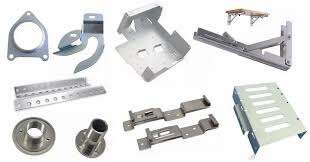
The fabrication characteristics of steel allow hot dipped galvanized steel poles to be manufactured with precise dimensional tolerances, custom mounting configurations, and integrated features that simplify installation and improve system performance. Advanced manufacturing techniques enable the incorporation of anchor bolt patterns, equipment mounting provisions, and access features during the fabrication process.
Hot dipped galvanized steel poles can accommodate various connection methods, including direct burial, anchor bolt mounting, and slip-fit installations, providing flexibility for different site conditions and construction preferences. The ability to pre-fabricate complex geometries and mounting details reduces field assembly time and improves installation quality consistency across large projects.
Construction Efficiency and Project Scheduling
The availability and reliable delivery schedules for hot dipped galvanized steel poles support efficient project planning and construction sequencing for highway infrastructure projects. Established manufacturing capacity and supply chain reliability minimize project delays and allow for coordinated installation activities that optimize construction efficiency and traffic impact minimization.
The durability of galvanized coatings allows hot dipped galvanized steel poles to be stored on construction sites without special protection requirements, simplifying logistics and reducing handling costs. The immediate service readiness of galvanized poles eliminates field coating or treatment requirements, allowing installation to proceed without weather-dependent finishing operations.
Performance in Challenging Environments
Coastal and Marine Exposure Resistance
Highway corridors in coastal regions present particularly challenging corrosion environments due to salt spray exposure, high humidity, and temperature fluctuations. Hot dipped galvanized steel poles demonstrate exceptional performance in these conditions, with field experience showing service lives exceeding 50 years in direct marine exposure applications when properly designed and installed.
The thickness and composition of hot dip galvanized coatings provide superior protection against chloride-induced corrosion compared to organic coating systems, which may experience premature failure due to moisture penetration and coating degradation. This performance advantage makes hot dipped galvanized steel poles the preferred choice for bridges, causeways, and coastal highway segments where long-term reliability is essential.
Industrial and Urban Pollution Resistance
Highway lighting and signage in industrial corridors and urban areas encounter atmospheric pollutants, acid rain, and aggressive chemical environments that can accelerate material degradation. Hot dipped galvanized steel poles provide robust protection against these conditions through their multi-layer coating system and cathodic protection mechanisms.
Field studies in heavily industrialized regions demonstrate that hot dipped galvanized steel poles maintain structural integrity and appearance standards well beyond the performance of alternative materials exposed to similar conditions. The chemical resistance of zinc coatings and their ability to form protective patina layers contribute to sustained performance in challenging atmospheric environments encountered along major transportation corridors.
FAQ
How long do hot dipped galvanized steel poles typically last in highway applications
Hot dipped galvanized steel poles typically provide 50 to 75 years of service life in highway applications, depending on environmental conditions and coating thickness. In normal atmospheric conditions, the galvanized coating provides decades of maintenance-free protection, while the underlying steel structure can last even longer with minimal maintenance once the coating reaches the end of its protective life.
What maintenance is required for galvanized steel highway poles
Maintenance requirements for hot dipped galvanized steel poles are minimal and typically involve periodic visual inspections, cleaning of accumulated debris or salt deposits, and occasional touch-up of areas that may have been damaged during installation or maintenance activities. Unlike painted steel, galvanized poles do not require regular recoating and can maintain their protective properties for decades without intervention.
How do hot dipped galvanized steel poles compare to aluminum poles for highway use
While aluminum poles offer corrosion resistance and lighter weight, hot dipped galvanized steel poles provide superior structural strength, impact resistance, and cost-effectiveness for highway applications. Steel poles can support heavier loads, resist damage from maintenance vehicles or debris impact, and offer better long-term value through their extended service life and recyclability at end of use.
Can hot dipped galvanized steel poles be used in all climate zones
Hot dipped galvanized steel poles perform excellently across all climate zones, from tropical coastal environments to cold northern regions with freeze-thaw cycles. The galvanized coating provides consistent corrosion protection regardless of temperature variations, and steel's structural properties remain stable across the full range of environmental conditions encountered in highway applications throughout North America and globally.