
 EN
EN
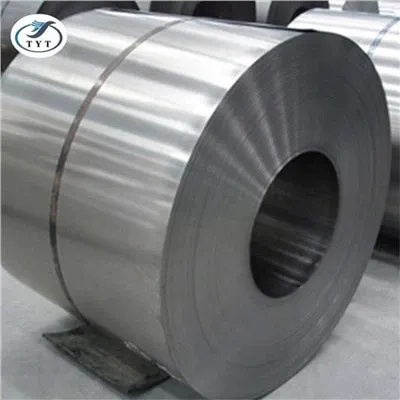
Marine environments present some of the most challenging conditions for steel structures, where saltwater exposure and high humidity accelerate corrosion at an alarming rate. Hot-dip galvanizing has emerged as the gold standard for protecting steel in these harsh conditions, but the effectiveness of this protection method hinges critically on one key factor: zinc coating thickness. Understanding the relationship between coating thickness and corrosion resistance is essential for engineers, contractors, and facility managers who need to ensure long-term structural integrity in coastal and offshore applications.
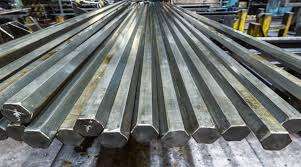
The science behind galvanic protection reveals why zinc coating thickness plays such a crucial role in marine corrosion resistance. When steel is hot-dip galvanized, it receives a metallurgically bonded zinc layer that provides both barrier protection and sacrificial protection. The zinc acts as a sacrificial anode, corroding preferentially to protect the underlying steel substrate. In marine environments where chloride ions are abundant, the rate of zinc consumption increases significantly, making adequate coating thickness the primary determinant of service life.
Industry standards and decades of field experience have established that marine applications require substantially thicker zinc coatings compared to inland environments. While standard galvanizing may suffice for mild atmospheric conditions, the aggressive nature of saltwater exposure demands careful consideration of coating specifications to achieve optimal performance and cost-effectiveness over the intended service life of the structure.
Understanding Zinc Coating Fundamentals in Marine Applications
The Galvanic Protection Mechanism
The effectiveness of hot-dip galvanizing in marine environments stems from zinc's electrochemical properties and its ability to form protective corrosion products. When zinc is exposed to marine atmospheres, it undergoes controlled corrosion that forms stable zinc patina layers, including zinc carbonate and zinc chloride hydroxide compounds. These patina layers significantly reduce the ongoing corrosion rate of the zinc coating thickness, extending the protection period far beyond what would be expected from simple barrier protection alone.
The galvanic protection mechanism becomes particularly important at coating defects or cut edges where the steel substrate might be exposed. In these areas, the zinc coating continues to provide sacrificial protection, preventing rust formation on the steel as long as adequate zinc remains within the galvanic throwing power distance. This self-healing characteristic makes proper zinc coating thickness critical for maintaining protection at vulnerable points throughout the structure's service life.
Marine Environment Corrosion Factors
Marine environments are classified into several categories based on their corrosivity, ranging from coastal atmospheric exposure to full seawater immersion. Each category presents unique challenges that directly impact the required zinc coating thickness for adequate protection. Coastal atmospheric zones, typically within 1-3 kilometers of the shoreline, experience moderate chloride deposition and elevated humidity levels that can consume zinc at rates 2-3 times higher than inland locations.
Splash zone and tidal zone exposures represent the most aggressive marine conditions, where structures experience alternating wet-dry cycles with concentrated salt solutions. These conditions can increase zinc consumption rates by 5-10 times compared to mild atmospheric exposure, necessitating proportionally thicker coatings to achieve acceptable service life. The presence of other environmental factors such as industrial pollution, elevated temperatures, and mechanical abrasion can further accelerate coating consumption, requiring careful evaluation during the design phase.
Industry Standards for Marine Zinc Coating Thickness
International Standard Requirements
The International Organization for Standardization (ISO) and American Society for Testing and Materials (ASTM) have established comprehensive standards that address zinc coating thickness requirements for marine applications. ISO 1461 specifies minimum coating thickness based on steel thickness categories, with additional recommendations for severe atmospheric conditions that include marine environments. For structural steel sections commonly used in marine construction, the standard typically requires minimum coating thicknesses of 85 micrometers, though this baseline may be insufficient for the most aggressive marine exposures.
ASTM A123 provides similar guidance for hot-dip galvanized structural steel, with provisions for specifying enhanced coating thickness when standard requirements are deemed inadequate for the intended service environment. Many marine projects specify coating thickness requirements that exceed standard minimums by 50-100% to account for the accelerated corrosion rates experienced in saltwater environments. These enhanced specifications recognize that the modest additional cost of thicker coatings is easily justified by the dramatic improvement in service life and reduction in maintenance requirements.
Regional and Application-Specific Standards
Different maritime regions have developed their own standards based on local environmental conditions and service experience. Nordic countries, with their extensive coastlines and harsh winter conditions, often specify zinc coating thickness requirements that reflect the combined effects of marine chlorides and freeze-thaw cycling. These standards typically mandate minimum coating thicknesses of 100-120 micrometers for structural steel in marine environments, with higher requirements for critical infrastructure components.
Offshore and port facility standards represent some of the most stringent coating requirements, reflecting the extreme nature of these environments. Major port authorities and offshore operators have developed internal standards that may require zinc coating thickness values of 150 micrometers or more for structures expected to achieve 25-50 year service lives without major maintenance. These enhanced requirements are supported by lifecycle cost analyses that demonstrate the economic benefits of specifying adequate coating thickness during initial construction rather than dealing with premature maintenance and replacement costs.
Optimal Zinc Coating Thickness for Different Marine Zones
Coastal Atmospheric Exposure
Coastal atmospheric zones, while less aggressive than direct seawater contact, still present significant challenges for galvanized steel protection. Research has shown that zinc coating thickness in these environments should typically range from 100-120 micrometers to achieve 15-20 year maintenance-free service life. The higher end of this range is recommended for structures within 500 meters of the shoreline or in areas with frequent fog and salt spray deposition.
Field studies from coastal infrastructure projects have demonstrated that increasing zinc coating thickness from the standard 85 micrometers to 110 micrometers can extend service life by 40-60% in typical coastal atmospheric conditions. This improvement is achieved because the thicker coating provides additional zinc reserves to compensate for the elevated corrosion rates caused by chloride deposition and higher humidity levels characteristic of marine atmospheres.
Splash and Tidal Zone Applications
The splash and tidal zones represent the most aggressive marine environments for galvanized steel, requiring the highest zinc coating thickness specifications to achieve acceptable service life. These zones experience direct contact with seawater, concentrated salt solutions during drying cycles, and mechanical action from waves and debris. Recommended zinc coating thickness for these applications typically ranges from 150-200 micrometers, with the higher values specified for structures subject to high wave energy or abrasive conditions.
Long-term exposure studies have shown that zinc coating thickness below 130 micrometers in splash zone applications may result in zinc depletion and steel corrosion within 10-15 years, while coatings of 175 micrometers or greater can provide 25+ years of protection. The economic justification for these thicker coatings becomes clear when considering the costs and logistics of maintenance work in marine environments, where access difficulties and environmental restrictions can make coating renewal extremely expensive.
Factors Affecting Zinc Coating Performance in Marine Environments
Environmental Severity Classifications
The marine environment severity classification system provides a framework for determining appropriate zinc coating thickness requirements based on specific exposure conditions. Category C3 (medium corrosivity) environments, such as coastal areas with low pollution, may require baseline coating thickness of 85-100 micrometers. Category C4 (high corrosivity) conditions, including industrial coastal areas and moderate splash zones, typically necessitate zinc coating thickness of 120-150 micrometers for adequate protection.
The most severe category, C5-M (very high corrosivity marine), encompasses splash zones, tidal areas, and offshore structures subject to continuous or frequent seawater contact. These environments may consume zinc at rates exceeding 10 micrometers per year, making zinc coating thickness of 175-250 micrometers necessary to achieve practical service life expectations. Understanding these classifications is essential for specifying appropriate coating requirements during the design phase of marine projects.
Steel Chemistry and Coating Formation
The chemical composition of the base steel significantly influences the zinc coating thickness and structure formed during hot-dip galvanizing. Steel with silicon content in the reactive range (0.15-0.25%) tends to produce thicker, more brittle zinc-iron alloy layers that may be more susceptible to mechanical damage in marine environments. Conversely, low-silicon steels typically produce thinner but more ductile coatings that better resist impact and thermal cycling stresses common in marine applications.
Modern galvanizing practices often involve steel chemistry optimization to achieve desired zinc coating thickness and properties for marine applications. Some fabricators specify steel grades with controlled silicon and phosphorus levels to ensure consistent coating formation and achieve the enhanced thickness requirements necessary for marine service. This coordination between steel selection and galvanizing specifications helps optimize both coating performance and cost-effectiveness for marine infrastructure projects.
Testing and Quality Control for Marine Applications
Coating Thickness Measurement Methods
Accurate measurement of zinc coating thickness is critical for ensuring compliance with marine application specifications and predicting service life performance. Magnetic induction instruments provide the most practical method for field measurement, offering immediate results with accuracy suitable for quality control purposes. However, these instruments require calibration for the specific coating type and substrate conditions to ensure reliable results throughout the measurement range typical for marine applications.
Destructive testing methods, including cross-sectional microscopy and gravimetric analysis, provide the highest accuracy for zinc coating thickness determination and are often used to validate magnetic measurements or resolve disputes. These methods are particularly valuable for complex geometries or heavily worked steel sections where magnetic measurements may be influenced by substrate irregularities or residual stress conditions that can affect coating formation uniformity.
Performance Testing and Validation
Salt spray testing according to ASTM B117 provides a standardized method for evaluating zinc coating thickness performance under accelerated corrosion conditions. While salt spray conditions are more severe than most real marine environments, the testing provides valuable comparative data for different coating thickness levels and helps validate the correlation between thickness and protection duration. Typical testing protocols for marine applications involve extended exposure periods of 1000+ hours to differentiate between coating thickness options.
Field exposure testing at actual marine sites provides the most relevant performance data for validating zinc coating thickness specifications. Long-term exposure programs, such as those conducted by major port authorities and offshore operators, have generated extensive databases correlating coating thickness with service life in various marine environments. This real-world data forms the foundation for many current marine coating specifications and continues to refine understanding of the zinc coating thickness requirements for different application scenarios.
Economic Considerations and Lifecycle Cost Analysis
Initial Cost vs. Long-term Value
The relationship between zinc coating thickness and initial galvanizing cost is relatively modest compared to the dramatic impact on service life and maintenance requirements. Increasing coating thickness from 85 to 150 micrometers typically adds 15-25% to the galvanizing cost, while potentially doubling or tripling the maintenance-free service life in marine environments. This cost relationship makes enhanced zinc coating thickness one of the most cost-effective strategies for extending infrastructure life in marine applications.
Lifecycle cost analyses consistently demonstrate the economic benefits of specifying adequate zinc coating thickness for marine environments. The high costs associated with marine maintenance work, including specialized access equipment, environmental compliance, and work scheduling around tides and weather, can make coating renewal 10-20 times more expensive than achieving adequate initial protection through proper coating specification. These economic factors strongly favor conservative coating thickness specifications that minimize the likelihood of premature maintenance requirements.
Maintenance Cost Avoidance
Marine infrastructure maintenance presents unique challenges that make coating longevity particularly valuable from an economic perspective. Access to offshore structures or tidal zone facilities often requires specialized marine equipment, weather windows, and environmental permits that can cost hundreds of thousands of dollars before any actual maintenance work begins. By specifying zinc coating thickness adequate for the full intended service life, facility owners can avoid these substantial mobilization and access costs entirely.
The indirect costs of marine infrastructure maintenance, including operational disruptions, environmental compliance, and safety considerations, often exceed the direct coating work costs by substantial margins. Port facilities may need to shut down berths during maintenance work, offshore platforms may require production interruptions, and coastal structures may face seasonal restrictions based on wildlife protection requirements. These factors make the modest premium for enhanced zinc coating thickness appear minimal compared to the total cost of ownership implications of premature coating failure.
FAQ
What is the minimum zinc coating thickness recommended for marine splash zones?
For marine splash zones and tidal areas, the minimum recommended zinc coating thickness is typically 150-175 micrometers, with many specifications requiring 200 micrometers or more for critical infrastructure. This enhanced thickness is necessary because splash zones experience the most aggressive corrosion conditions, with direct seawater contact, concentrated salt solutions during drying cycles, and mechanical action from waves. Field experience has shown that thinner coatings may not provide adequate service life in these severe exposure conditions.
How does zinc coating thickness affect the galvanic protection range in marine environments?
Zinc coating thickness directly influences the duration of galvanic protection but does not significantly affect the galvanic throwing power distance, which typically extends 5-10mm from the zinc surface regardless of coating thickness. However, thicker coatings maintain this galvanic protection for much longer periods in marine environments where zinc consumption rates are elevated. This extended protection duration is particularly important at coating defects, cut edges, and mechanical damage points where the steel substrate might otherwise be exposed to aggressive marine conditions.
Can zinc coating thickness be increased beyond standard specifications for marine applications?
Yes, zinc coating thickness can and should be increased beyond standard specifications for marine applications through proper specification and galvanizing process control. Many marine projects specify coating thickness requirements 50-100% above standard minimums to account for aggressive exposure conditions. This can be achieved through steel chemistry optimization, extended galvanizing bath immersion times, or specification of centrifuging parameters that retain thicker coatings. The additional cost is minimal compared to the substantial improvement in service life and reduction in maintenance requirements.
What testing methods ensure adequate zinc coating thickness for marine service?
Magnetic induction testing provides the most practical field method for verifying zinc coating thickness compliance, offering immediate results suitable for quality control during galvanizing operations. For critical marine applications, destructive testing methods including cross-sectional microscopy and gravimetric analysis provide higher accuracy validation. Many marine projects also require salt spray testing according to ASTM B117 to verify coating performance characteristics, along with documentation of steel chemistry and galvanizing process parameters that affect coating formation and marine service performance.
Table of Contents
- Understanding Zinc Coating Fundamentals in Marine Applications
- Industry Standards for Marine Zinc Coating Thickness
- Optimal Zinc Coating Thickness for Different Marine Zones
- Factors Affecting Zinc Coating Performance in Marine Environments
- Testing and Quality Control for Marine Applications
- Economic Considerations and Lifecycle Cost Analysis
-
FAQ
- What is the minimum zinc coating thickness recommended for marine splash zones?
- How does zinc coating thickness affect the galvanic protection range in marine environments?
- Can zinc coating thickness be increased beyond standard specifications for marine applications?
- What testing methods ensure adequate zinc coating thickness for marine service?