 EN
EN
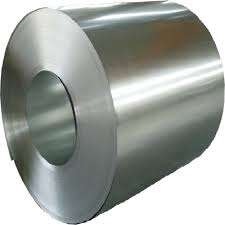
Hot dipped galvanized steel represents one of the most reliable and cost-effective solutions for long-term corrosion protection in industrial applications. This advanced coating process creates a metallurgical bond between zinc and steel substrate that provides exceptional durability against environmental factors. Engineers and project managers across industries rely on hot dipped galvanized steel for structures requiring decades of maintenance-free service life. The process involves immersing cleaned steel components in molten zinc at temperatures exceeding 840°F, creating multiple protective layers that work together to prevent corrosion. Understanding the science behind this protective system reveals why hot dipped galvanized steel consistently outperforms alternative coating methods in demanding environments.
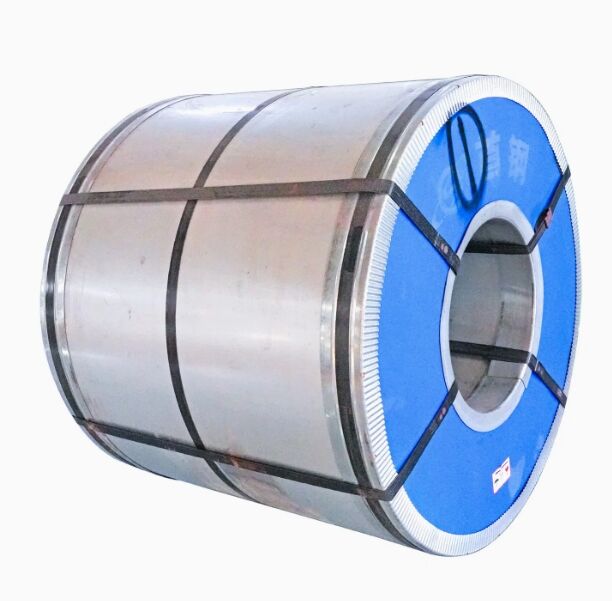
Understanding the Hot Dip Galvanizing Process
Surface Preparation and Cleaning Requirements
The success of hot dipped galvanized steel depends entirely on proper surface preparation before the coating application. Steel components undergo rigorous cleaning processes including degreasing, pickling in hydrochloric acid, and fluxing to remove all contaminants, mill scale, and oxidation products. This comprehensive preparation ensures optimal zinc adhesion and uniform coating thickness across all surfaces. The cleaning sequence removes organic materials, rust, and welding residues that could interfere with the metallurgical bonding process. Quality control measures during preparation directly impact the final performance characteristics of hot dipped galvanized steel products.
Advanced facilities employ automated cleaning systems that maintain consistent chemical concentrations and processing temperatures throughout the preparation cycle. Environmental controls ensure that steel surfaces remain clean and reactive between processing stages, preventing recontamination before galvanizing. The preparation phase typically requires several hours depending on component size and initial condition, but this investment translates into superior coating performance and extended service life. Modern hot dip galvanizing operations utilize closed-loop water treatment systems to minimize environmental impact while maintaining stringent cleanliness standards.
Metallurgical Bonding and Layer Formation
When properly prepared steel enters the molten zinc bath, immediate metallurgical reactions begin forming distinct intermetallic layers between the base metal and protective coating. The high temperature environment promotes diffusion of zinc atoms into the steel surface, creating iron-zinc alloy layers with progressively varying compositions. These alloy layers provide exceptional adhesion strength that cannot be achieved through mechanical coating methods or electroplating processes. The outermost pure zinc layer offers sacrificial protection while underlying alloy layers ensure long-term coating integrity even if surface damage occurs.
Temperature control during the galvanizing process determines coating thickness and layer structure development in hot dipped galvanized steel applications. Optimal bath temperatures between 840°F and 860°F promote complete wetting and uniform zinc distribution across complex geometries including internal surfaces and tight corners. Immersion time varies based on steel thickness and desired coating weight, with heavier sections requiring extended dwell periods for complete thermal equilibration. The controlled cooling process following galvanization allows proper crystallization of zinc layers, contributing to the characteristic spangled appearance and enhanced corrosion resistance properties.
Corrosion Protection Mechanisms
Barrier Protection and Environmental Shielding
The primary protection mechanism of hot dipped galvanized steel involves creating an impermeable barrier between the steel substrate and corrosive environmental elements. Zinc coating thickness typically ranges from 2 to 5 mils depending on steel section thickness and specification requirements, providing robust physical protection against moisture, oxygen, and atmospheric pollutants. This barrier function prevents direct contact between corrosive agents and the underlying steel, effectively eliminating the electrochemical reactions that drive oxidation processes. The dense, adherent nature of properly applied zinc coatings resists penetration by chlorides, sulfates, and other aggressive ions commonly found in industrial environments.
Environmental exposure testing demonstrates that hot dipped galvanized steel maintains barrier integrity under extreme conditions including marine atmospheres, industrial pollution, and temperature cycling. The coating's ability to accommodate thermal expansion and contraction without cracking or delamination ensures continuous protection throughout seasonal weather variations. Advanced zinc alloy formulations enhance barrier properties by improving coating ductility and adhesion characteristics, particularly important for applications involving structural movement or vibration loads.
Galvanic Protection and Sacrificial Action
Beyond barrier protection, hot dipped galvanized steel provides active corrosion protection through galvanic action when coating damage exposes the steel substrate. Zinc's position in the galvanic series makes it anodic to steel, meaning it preferentially corrodes to protect the more noble base metal from oxidation. This sacrificial protection extends well beyond the immediate area of coating damage, providing cathodic protection to exposed steel edges and cut surfaces. The electrochemical potential difference between zinc and steel drives protective current flow that inhibits corrosion initiation across the entire protected surface area.
Laboratory studies confirm that galvanic protection remains effective even when significant portions of the zinc coating are damaged or worn away through mechanical abrasion. The rate of zinc consumption during sacrificial protection is significantly lower than direct atmospheric corrosion, extending the effective service life of hot dipped galvanized steel components. This dual protection mechanism explains why galvanized steel continues providing corrosion resistance long after other coating systems would fail completely. Field performance data shows that properly galvanized components maintain structural integrity decades after installation, even in aggressive marine and industrial environments.
Factors Influencing Service Life Performance
Environmental Conditions and Exposure Categories
Service life expectations for hot dipped galvanized steel vary significantly based on environmental exposure conditions and atmospheric corrosivity levels. Rural and suburban environments with low pollution levels typically provide the most favorable conditions for extended coating life, often exceeding 75 years before maintenance requirements arise. Marine environments present increased corrosivity due to chloride exposure, but properly specified hot dipped galvanized steel still achieves 25 to 50 years of maintenance-free service in most coastal applications. Industrial atmospheres containing sulfur compounds and particulate matter accelerate zinc consumption rates but rarely reduce service life below 20 years for standard coating weights.
Microclimate factors including humidity levels, temperature variations, and pollutant concentrations significantly influence corrosion rates and ultimate coating performance. Sheltered locations that minimize direct weather exposure extend service life by reducing moisture contact time and limiting thermal cycling effects. Conversely, areas with persistent condensation or frequent wet-dry cycling may experience accelerated coating consumption despite moderate atmospheric corrosivity levels. Understanding these environmental variables allows engineers to specify appropriate coating weights and maintenance schedules for hot dipped galvanized steel applications.
Design Considerations and Coating Specifications
Proper design practices maximize the service life potential of hot dipped galvanized steel by eliminating features that promote moisture retention or accelerated coating wear. Drainage provisions, rounded corners, and accessible surfaces for inspection enhance long-term performance by preventing corrosive element accumulation and facilitating maintenance when required. Coating weight specifications should align with expected service environments, with heavier coatings recommended for severe exposure conditions or extended design life requirements. Standard coating weights provide adequate protection for most applications, but critical infrastructure may warrant premium coating specifications.
Joint design and connection details require special attention to ensure continuous corrosion protection across assembled structures. Properly designed galvanized connections maintain coating integrity at critical stress concentration points where premature failure typically initiates. Compatibility with other materials must be evaluated to prevent galvanic couples that could accelerate zinc consumption in hot dipped galvanized steel components. Thermal considerations become important in high-temperature applications where zinc coating properties may be affected by prolonged elevated temperature exposure.
Comparative Analysis with Alternative Coating Systems
Performance Comparison with Organic Coatings
Hot dipped galvanized steel consistently outperforms organic coating systems in terms of durability, maintenance requirements, and life-cycle cost effectiveness. While organic coatings may provide superior initial appearance and color options, their performance degrades rapidly under ultraviolet exposure and weathering conditions. Paint systems typically require reapplication every 7 to 15 years depending on environmental exposure, resulting in significant ongoing maintenance costs and service disruptions. The self-healing properties of hot dipped galvanized steel through galvanic protection eliminate the catastrophic failure modes common with organic coating systems.
Adhesion characteristics represent another critical performance difference between zinc and organic coatings on steel substrates. The metallurgical bond formed during hot dip galvanizing provides adhesion strengths exceeding 3000 psi, far superior to mechanical or chemical bonds achieved with paint systems. This superior adhesion prevents coating delamination under thermal cycling, mechanical stress, or impact loading conditions. Field experience demonstrates that properly applied hot dipped galvanized steel maintains coating integrity throughout decades of service while organic systems frequently exhibit premature adhesion failures.
Economic Advantages and Life Cycle Cost Analysis
Life cycle cost analysis consistently favors hot dipped galvanized steel over alternative corrosion protection methods when total ownership costs are properly evaluated. Initial galvanizing costs are typically recovered within the first maintenance cycle required for paint systems, with continued savings accumulating throughout the structure's service life. Reduced maintenance requirements translate into lower labor costs, reduced downtime, and elimination of ongoing material expenses associated with coating renewal. The predictable performance characteristics of hot dipped galvanized steel enable accurate long-term budgeting and maintenance planning.
Indirect cost savings from reduced maintenance activities often exceed direct material cost differences between protection systems. Avoiding maintenance-related production shutdowns, equipment rental, and safety compliance costs provides substantial economic benefits in industrial applications. Insurance considerations may also favor hot dipped galvanized steel due to reduced fire risk compared to organic coating systems and lower probability of structural deterioration from corrosion damage. These comprehensive economic advantages explain why informed engineers consistently specify hot dipped galvanized steel for critical infrastructure and long-term industrial applications.
Quality Assurance and Performance Testing
Industry Standards and Specification Compliance
Quality assurance for hot dipped galvanized steel relies on established industry standards including ASTM A123, ASTM A153, and ISO 1461 that define minimum coating requirements and testing procedures. These specifications ensure consistent performance characteristics across different galvanizing facilities and geographic regions. Coating thickness measurements using magnetic or microscopic methods verify compliance with minimum weight requirements based on steel section thickness categories. Surface quality assessments evaluate coating uniformity, adhesion, and freedom from defects that could compromise long-term performance.
Third-party certification programs provide additional quality assurance through independent auditing of galvanizing operations and product testing. Certified facilities demonstrate compliance with environmental regulations, quality management systems, and technical competency requirements. Regular proficiency testing ensures measurement accuracy and consistency across inspection personnel and equipment. Documentation requirements establish traceability for hot dipped galvanized steel products, enabling performance tracking and warranty administration throughout the service life period.
Field Performance Monitoring and Inspection Protocols
Systematic inspection protocols enable early detection of performance issues and optimization of maintenance schedules for hot dipped galvanized steel structures. Visual assessments identify coating wear patterns, environmental damage, and mechanical impact effects that may require attention before significant substrate exposure occurs. Coating thickness measurements at representative locations track consumption rates and predict remaining service life under existing exposure conditions. Photographic documentation provides baseline references for monitoring long-term performance trends and evaluating environmental effects.
Advanced inspection techniques including electrochemical measurements and surface analysis methods provide detailed performance data for critical applications requiring precise monitoring. These techniques enable quantitative assessment of coating condition and remaining protective capacity without destructive sampling requirements. Integration with digital asset management systems facilitates data collection, trend analysis, and predictive maintenance scheduling. Regular inspection programs demonstrate that properly specified and applied hot dipped galvanized steel consistently meets or exceeds design life expectations across diverse environmental conditions.
FAQ
How does hot dipped galvanized steel achieve 50+ years of corrosion protection
Hot dipped galvanized steel achieves exceptional longevity through multiple protective mechanisms working together throughout the service life period. The metallurgical bond between zinc and steel creates adherent intermetallic layers that resist environmental degradation while providing both barrier and galvanic protection. The thick, uniform coating applied during the hot dip process provides substantial material reserves that consume gradually under atmospheric exposure. Field performance data from structures installed decades ago confirms that properly galvanized components regularly exceed 50-year service life expectations in most environmental conditions.
What maintenance is required for galvanized steel structures
Properly designed and installed hot dipped galvanized steel structures typically require no maintenance for the first 20 to 30 years of service life under normal environmental conditions. Routine inspections every 5 to 10 years identify any localized damage or unusual wear patterns that may benefit from touch-up treatment. When maintenance becomes necessary, zinc-rich paints or thermal spray zinc can restore protection to damaged areas without affecting the remaining coating performance. The maintenance-free characteristics of hot dipped galvanized steel represent one of its primary economic advantages over alternative protection systems.
Can hot dipped galvanized steel be used in marine environments
Hot dipped galvanized steel performs exceptionally well in marine environments when properly specified for the specific exposure conditions anticipated. Coastal atmospheric exposure typically provides 25 to 50 years of service life depending on distance from saltwater sources and prevailing wind patterns. Direct seawater immersion applications require heavier coating weights and may benefit from duplex protection systems combining galvanizing with organic topcoats. Thousands of marine structures worldwide demonstrate the proven performance of hot dipped galvanized steel in challenging saltwater environments.
How does coating thickness affect service life performance
Coating thickness directly correlates with service life expectations for hot dipped galvanized steel, with heavier coatings providing proportionally longer protection periods. Standard coating weights specified in industry standards provide adequate protection for most applications, but severe environments or extended design life requirements may justify premium coating specifications. Each additional mil of coating thickness typically extends service life by 5 to 7 years depending on environmental corrosivity levels. The relationship between coating weight and performance enables engineers to optimize specifications based on specific application requirements and economic considerations.