 EN
EN
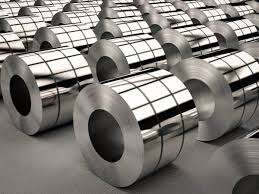
Selecting the appropriate cold rolled steel grade and thickness is a critical decision that impacts both the performance and cost-effectiveness of manufacturing operations. Engineers and procurement professionals must navigate through numerous specifications, mechanical properties, and application requirements to make informed choices. Understanding the fundamental characteristics of cold rolled steel helps ensure optimal material selection for specific industrial applications.
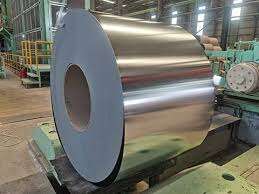
The cold rolling process transforms hot rolled steel through ambient temperature deformation, resulting in superior surface finish, dimensional accuracy, and enhanced mechanical properties. This manufacturing method produces steel with tighter tolerances and improved formability compared to hot rolled alternatives. The resulting material exhibits consistent thickness, smooth surfaces, and predictable mechanical characteristics that make it ideal for precision applications across automotive, construction, and appliance industries.
Understanding Cold Rolled Steel Grades
Carbon Content Classifications
Carbon content serves as the primary factor determining cold rolled steel mechanical properties and processing characteristics. Low carbon grades, typically containing 0.05% to 0.25% carbon, offer excellent formability and weldability for stamping and drawing operations. These grades demonstrate superior ductility and are commonly specified for automotive body panels, appliance housings, and general fabrication work where complex forming is required.
Medium carbon cold rolled steel grades contain 0.25% to 0.50% carbon, providing increased strength and hardness while maintaining reasonable formability. These materials are frequently selected for structural components, brackets, and reinforcement applications where higher strength-to-weight ratios are beneficial. The balanced properties make them suitable for applications requiring both mechanical performance and manufacturing flexibility.
High carbon grades, exceeding 0.50% carbon content, deliver maximum strength and hardness but with reduced formability. These specialized cold rolled steel grades are typically reserved for spring applications, cutting tools, and high-stress components where ultimate strength takes precedence over forming characteristics. Careful consideration of heat treatment requirements is essential when specifying these grades.
ASTM Grade Designations
ASTM A1008 represents the most commonly referenced specification for cold rolled steel sheet products. This specification encompasses various grades including Commercial Steel (CS), Drawing Steel (DS), Deep Drawing Steel (DDS), and Extra Deep Drawing Steel (EDDS). Each grade designation indicates specific formability characteristics and intended application ranges, helping engineers select appropriate materials for their requirements.
Commercial Steel grades provide basic forming capabilities and are cost-effective for applications with minimal forming requirements. Drawing Steel grades offer improved formability for moderate forming operations, while Deep Drawing Steel grades accommodate more severe forming without cracking or surface defects. Extra Deep Drawing Steel grades represent the highest formability classification, enabling complex geometries and extensive deformation without failure.
Structural grades, including ASTM A1011 specifications, focus on strength requirements rather than formability. These cold rolled steel grades are engineered to meet specific yield and tensile strength targets while maintaining adequate ductility for fabrication processes. Grade 30, 33, 36, 40, 45, 50, 55, and 80 designations indicate minimum yield strength values in thousands of pounds per square inch.
Thickness Selection Criteria
Load-Bearing Requirements
Structural analysis forms the foundation for determining appropriate cold rolled steel thickness in load-bearing applications. Engineers must evaluate applied loads, stress concentrations, and safety factors to calculate minimum section modulus requirements. Thickness selection directly influences moment of inertia, which determines resistance to bending forces and deflection under loading conditions.
Static loading scenarios require thickness calculations based on maximum allowable stress and applied loads. The relationship between thickness and load capacity follows predictable mathematical relationships, allowing precise material optimization. Dynamic loading conditions introduce additional considerations including fatigue resistance, vibration damping, and cyclic stress amplification factors that may require increased thickness margins.
Buckling analysis becomes critical for thin cold rolled steel sections subjected to compressive forces. Local buckling, lateral-torsional buckling, and overall stability must be evaluated to prevent structural failure. Minimum thickness requirements often exceed those calculated for basic stress considerations to ensure adequate buckling resistance and structural integrity.
Manufacturing Process Compatibility
Forming operations place specific constraints on cold rolled steel thickness selection. Progressive die stamping typically requires thickness uniformity within ±0.0005 inches to ensure consistent part quality and tooling life. Excessive thickness variations can cause dimensional inconsistencies, increased tooling wear, and potential press overloading during production runs.
Bending operations demonstrate thickness-dependent spring-back characteristics that affect final part geometry. Thinner materials exhibit greater spring-back angles, requiring compensation in tooling design and process parameters. Cold rolled steel thickness must be optimized to achieve target bend angles while maintaining acceptable tolerances throughout production volumes.
Welding processes show sensitivity to thickness variations that influence heat input requirements, penetration characteristics, and joint strength. Thicker sections require increased heat input and may necessitate preheating or post-weld heat treatment. Thickness selection must consider welding process limitations and joint design requirements to ensure adequate fusion and mechanical properties.
Mechanical Property Considerations
Strength and Ductility Balance
The relationship between strength and ductility represents a fundamental trade-off in cold rolled steel selection. Higher strength grades typically exhibit reduced elongation values and increased forming loads, potentially limiting formability in complex geometries. Understanding this relationship helps engineers select grades that provide adequate strength without compromising manufacturing requirements.
Yield strength values indicate the stress level at which permanent deformation begins, while tensile strength represents ultimate load-carrying capacity. The yield-to-tensile ratio provides insight into material work-hardening characteristics and forming behavior. Cold rolled steel grades with lower yield-to-tensile ratios offer greater work-hardening potential and improved formability for deep drawing operations.
Elongation measurements quantify ductility and indicate the material's ability to undergo plastic deformation without failure. Higher elongation values correlate with improved formability and reduced risk of cracking during forming operations. Cold rolled steel grades must provide sufficient elongation to accommodate required forming strains while maintaining adequate strength levels.
Surface Quality Requirements
Surface finish specifications significantly impact cold rolled steel grade selection and subsequent processing requirements. Matte finishes provide improved paint adhesion and are commonly specified for automotive and appliance applications. Bright finishes offer enhanced appearance and corrosion resistance but may require additional surface preparation for coating applications.
Surface roughness parameters influence friction characteristics during forming operations and final part appearance. Smoother surfaces generally reduce tooling wear and improve part quality but may increase material costs. Cold rolled steel surface specifications must balance functional requirements with economic considerations to optimize overall project value.
Flatness tolerances become increasingly important as thickness decreases and part dimensions increase. Edge wave, center buckle, and crossbow defects can significantly impact downstream processing and final part quality. Specifying appropriate flatness requirements ensures compatibility with forming equipment and dimensional accuracy requirements.
Application-Specific Selection Guidelines
Automotive Industry Applications
Automotive applications demand cold rolled steel grades that balance strength, formability, and weight considerations. Body panel applications typically require Drawing Steel or Deep Drawing Steel grades with thickness ranging from 0.6mm to 1.2mm. These specifications provide adequate formability for complex curvatures while maintaining sufficient dent resistance and structural integrity.
Structural components including reinforcements, brackets, and chassis elements utilize higher strength cold rolled steel grades. HSLA (High Strength Low Alloy) grades offer improved strength-to-weight ratios, enabling thickness reduction while maintaining performance requirements. Proper grade selection supports lightweighting initiatives without compromising safety or durability standards.
Exposed surfaces require cold rolled steel grades with superior surface quality and consistent mechanical properties. Variations in surface texture or mechanical properties can cause visible defects after painting, leading to quality concerns and warranty issues. Stringent material specifications ensure consistent appearance and performance across production volumes.
Construction and Architectural Uses
Construction applications emphasize structural performance and long-term durability over formability considerations. Structural cold rolled steel grades must meet building code requirements for yield strength, tensile strength, and elongation values. Grade selection typically focuses on ASTM A1011 specifications that provide certified mechanical properties for structural calculations.
Architectural applications require cold rolled steel with consistent surface quality and dimensional accuracy. Visible structural elements demand superior flatness and edge quality to ensure proper alignment and appearance. Thickness selection must account for architectural loads while providing adequate stiffness to prevent deflection issues.
Corrosion protection considerations influence both grade selection and thickness requirements. Exposed applications may require additional thickness to compensate for material loss due to corrosion, or specify grades with enhanced atmospheric corrosion resistance. Proper material selection extends service life and reduces maintenance requirements.
Quality Control and Testing
Incoming Material Inspection
Comprehensive incoming inspection protocols ensure cold rolled steel materials meet specified requirements before entering production processes. Dimensional verification includes thickness measurement at multiple locations using calibrated micrometers or ultrasonic thickness gauges. Surface inspection identifies defects including scratches, dents, oil stains, or corrosion that could affect processing or final part quality.
Mechanical property verification through tensile testing confirms yield strength, tensile strength, and elongation values match material certifications. Sample preparation and testing procedures must follow ASTM standards to ensure accurate and repeatable results. Documentation of test results provides traceability and supports quality management systems.
Chemical composition analysis verifies carbon content and alloying elements match specified grades. Spectroscopic analysis provides rapid composition verification, while chemical analysis methods offer higher accuracy when required. Proper composition control ensures predictable mechanical properties and processing behavior throughout production runs.
Process Monitoring Parameters
Continuous monitoring of forming forces, temperatures, and dimensional outputs provides real-time feedback on cold rolled steel performance during production. Statistical process control charts track key parameters and identify trends that may indicate material property variations. Early detection of variations enables corrective action before producing non-conforming parts.
Tooling wear patterns provide insight into material consistency and processing optimization opportunities. Accelerated tooling wear may indicate harder than specified material, while premature failure could suggest contamination or composition variations. Regular tooling inspection and wear measurement support material evaluation and supplier performance assessment.
Final part inspection validates that selected cold rolled steel grades and thickness produce acceptable dimensional accuracy and surface quality. Coordinate measuring machines verify critical dimensions, while visual inspection identifies surface defects or forming issues. Comprehensive quality data supports continuous improvement initiatives and material specification optimization.
Cost Optimization Strategies
Material Cost Analysis
Total cost evaluation extends beyond raw material pricing to include processing costs, yield losses, and quality-related expenses. Premium cold rolled steel grades with superior formability may justify higher material costs through reduced scrap rates and improved processing efficiency. Comprehensive cost analysis quantifies these relationships to support optimal material selection decisions.
Thickness optimization balances material costs against performance requirements and processing considerations. Reducing thickness decreases material costs but may require grade upgrades to maintain strength requirements. The interaction between thickness and grade selection requires careful analysis to identify the most cost-effective solution.
Supply chain considerations including availability, lead times, and transportation costs influence material selection decisions. Standard grades and thickness typically offer better availability and pricing compared to specialized materials. Balancing technical requirements with supply chain realities helps optimize total project costs and delivery schedules.
Process Efficiency Improvements
Proper cold rolled steel selection directly impacts processing efficiency through reduced setup times, improved tool life, and higher production rates. Materials with consistent properties enable optimized process parameters and reduced quality variability. The resulting efficiency improvements often justify premium material costs through improved overall productivity.
Forming operation optimization requires matching material properties to process capabilities and part requirements. Selecting grades with appropriate formability characteristics minimizes forming forces, reduces tooling stress, and enables higher production speeds. These benefits translate directly to reduced manufacturing costs and improved competitiveness.
Quality consistency improvements through proper material selection reduce inspection requirements, rework costs, and customer returns. Investing in higher quality cold rolled steel grades often provides net cost savings through improved process stability and reduced quality-related expenses. Long-term cost analysis supports material specification optimization decisions.
FAQ
What factors determine the minimum thickness for cold rolled steel applications?
Minimum thickness requirements depend on structural loading conditions, buckling resistance requirements, and manufacturing process constraints. Structural analysis determines thickness based on applied loads and allowable stresses, while buckling calculations may require additional thickness to prevent instability. Manufacturing processes including forming, welding, and machining also establish minimum thickness limits based on equipment capabilities and quality requirements. The governing factor typically represents the most restrictive of these various requirements.
How does carbon content affect cold rolled steel selection for forming applications?
Carbon content directly influences both strength and formability characteristics of cold rolled steel grades. Lower carbon content typically provides improved formability through reduced yield strength and increased elongation values, making these grades ideal for deep drawing and complex forming operations. Higher carbon content increases strength and hardness but reduces ductility and formability, potentially limiting forming complexity and requiring higher forming forces. The optimal carbon content balances strength requirements with necessary forming capabilities for specific applications.
What quality control measures ensure consistent cold rolled steel performance?
Effective quality control encompasses incoming material inspection, process monitoring, and final part verification. Incoming inspection includes dimensional measurement, surface quality assessment, and mechanical property testing to verify material specifications. Process monitoring tracks forming forces, dimensional outputs, and tooling performance to detect material variations during production. Final part inspection validates dimensional accuracy and surface quality to ensure consistent results. Documentation and statistical analysis of quality data support continuous improvement and supplier performance evaluation.
How do surface finish requirements impact cold rolled steel grade selection?
Surface finish specifications significantly influence material selection and may require specific cold rolled steel processing methods or grades. Bright finishes typically require higher quality base materials and more controlled processing conditions, potentially increasing costs but providing superior appearance and corrosion resistance. Matte finishes offer improved paint adhesion and may be more cost-effective for coated applications. The surface finish specification must align with functional requirements, aesthetic considerations, and downstream processing needs to ensure optimal performance and cost-effectiveness.
Table of Contents
- Understanding Cold Rolled Steel Grades
- Thickness Selection Criteria
- Mechanical Property Considerations
- Application-Specific Selection Guidelines
- Quality Control and Testing
- Cost Optimization Strategies
-
FAQ
- What factors determine the minimum thickness for cold rolled steel applications?
- How does carbon content affect cold rolled steel selection for forming applications?
- What quality control measures ensure consistent cold rolled steel performance?
- How do surface finish requirements impact cold rolled steel grade selection?