 EN
EN
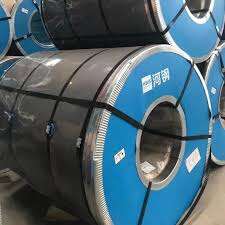
Marine environments present some of the most challenging conditions for metal structures and equipment. The combination of salt water, high humidity, and constant exposure to corrosive elements makes selecting the right protective coating absolutely critical. Hot dipped galvanized coatings have emerged as one of the most reliable solutions for protecting steel and iron components in these harsh conditions. This protective process creates a metallurgical bond between zinc and the base metal, forming a barrier that can withstand decades of marine exposure while maintaining structural integrity and performance.
Understanding Hot Dipped Galvanizing Process
The Metallurgical Science Behind Protection
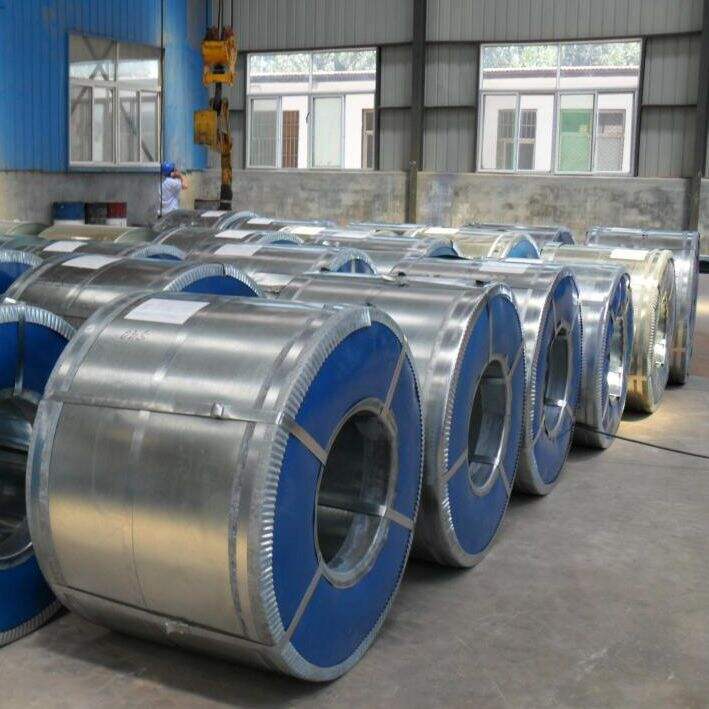
The hot dipped galvanized process involves immersing clean steel components into molten zinc at temperatures exceeding 840 degrees Fahrenheit. This high-temperature treatment creates a series of zinc-iron alloy layers that form a metallurgical bond with the base metal. The resulting coating consists of multiple distinct layers, each contributing to the overall corrosion resistance and durability of the finished product. The outermost pure zinc layer provides sacrificial protection, while the underlying alloy layers ensure adhesion and long-term performance.
During the galvanizing process, the steel surface undergoes complete transformation as zinc atoms diffuse into the iron matrix. This diffusion creates intermetallic compounds that are actually harder than the original steel substrate. The coating thickness typically ranges from 85 to 200 micrometers, depending on the steel composition and processing parameters. This substantial thickness provides excellent barrier protection against moisture, salt spray, and other corrosive agents commonly found in marine environments.
Quality Control and Standards Compliance
Modern hot dipped galvanized operations must comply with strict international standards including ASTM A123, ISO 1461, and various marine industry specifications. These standards govern coating thickness, appearance, adherence testing, and performance requirements specifically for marine applications. Quality control measures include regular bath analysis, temperature monitoring, and comprehensive testing of finished products to ensure consistent protection levels.
The galvanizing process also incorporates pre-treatment steps that are crucial for achieving optimal coating performance. Steel components undergo thorough cleaning, pickling in acid solutions, and fluxing before entering the zinc bath. This preparation removes all traces of mill scale, rust, and contaminants that could compromise coating adhesion or uniformity. Proper pre-treatment is especially important for marine applications where coating integrity must be maintained under extreme conditions.
Marine Environment Challenges
Corrosion Mechanisms in Saltwater Exposure
Marine environments accelerate corrosion through multiple mechanisms that make material selection critical for long-term performance. Salt spray contains chloride ions that penetrate protective coatings and initiate electrochemical reactions on metal surfaces. The constant presence of moisture maintains the electrolytic conditions necessary for galvanic corrosion, while temperature fluctuations create thermal stress that can compromise coating integrity over time.
Atmospheric corrosion rates in marine environments can be ten to twenty times higher than in rural or urban settings. The combination of salt deposition, high relative humidity, and temperature cycling creates ideal conditions for rapid metal degradation. Hot dipped galvanized coatings address these challenges by providing both barrier protection and cathodic protection, where zinc preferentially corrodes to protect the underlying steel substrate.
Environmental Factors Affecting Coating Performance
Wind patterns, tidal cycles, and seasonal weather variations all influence how protective coatings perform in marine applications. Structures located in splash zones experience the most aggressive conditions, with constant wetting and drying cycles that accelerate coating degradation. Hot dipped galvanized surfaces develop a protective patina of zinc carbonate and zinc hydroxide compounds that actually improve corrosion resistance over time.
Temperature extremes common in marine environments can cause thermal expansion and contraction that stresses protective coatings. The ductility and flexibility of hot dipped galvanized coatings allow them to accommodate these dimensional changes without cracking or delaminating. This characteristic is particularly important for large structures like marine piers, offshore platforms, and coastal infrastructure that experience significant temperature variations.
Comparative Analysis with Alternative Coatings
Paint Systems versus Hot Dipped Galvanizing
Traditional paint systems require multiple coats including primers, intermediate layers, and topcoats to achieve adequate protection in marine environments. While initially less expensive than hot dipped galvanized treatments, paint systems typically require maintenance every five to seven years in marine conditions. The total lifecycle cost often favors galvanized coatings due to their extended maintenance intervals and superior durability.
Paint adhesion becomes compromised in marine environments due to salt contamination, moisture infiltration, and UV degradation. Once the paint film is breached, rapid corrosion can occur beneath the coating, leading to widespread failure. Hot dipped galvanized coatings provide self-healing properties where small scratches or damage are protected by zinc's cathodic protection mechanism, preventing localized corrosion from spreading.
Stainless Steel Alternatives
Stainless steel offers excellent corrosion resistance in marine environments but comes with significantly higher material costs. While austenitic stainless steels like 316L provide superior performance in highly corrosive conditions, the cost differential can be substantial for large structural applications. Hot dipped galvanized steel provides an economical alternative that delivers acceptable performance for many marine applications at a fraction of the cost.
The selection between stainless steel and hot dipped galvanized materials often depends on specific application requirements, expected service life, and budget constraints. For applications requiring extreme corrosion resistance or aesthetic considerations, stainless steel may be preferred. However, for structural components, fasteners, and general marine hardware, hot dipped galvanized steel offers excellent value and proven performance.
Application-Specific Considerations
Marine Infrastructure Applications
Port facilities, marine terminals, and offshore structures rely heavily on hot dipped galvanized components for long-term reliability and cost-effective maintenance. Structural steel members, handrails, grating, and hardware benefit from the comprehensive protection provided by galvanized coatings. The ability to fabricate components before galvanizing allows for complex assemblies to receive complete coverage, including internal surfaces and connection details.
Bridge components in coastal areas demonstrate the effectiveness of hot dipped galvanized protection over extended service periods. Many bridges utilizing galvanized structural members have provided decades of service with minimal maintenance requirements. The uniform coating coverage achieved through hot dip galvanizing ensures that complex bridge details, including bolted connections and welded joints, receive adequate protection against marine corrosion.
Marine Hardware and Equipment
Anchoring systems, deck hardware, and rigging components frequently utilize hot dipped galvanized finishes to ensure reliable performance in marine service. The coating's ability to provide protection even when mechanically damaged makes it ideal for applications involving frequent handling, impact, or abrasion. Galvanized chains, shackles, and connecting hardware maintain their strength and appearance throughout extended marine exposure.
Ventilation systems, electrical enclosures, and mechanical equipment housings benefit from the comprehensive protection offered by hot dipped galvanized coatings. The coating's electrical properties make it suitable for grounding applications, while its thermal characteristics support equipment cooling requirements. Marine HVAC systems utilizing galvanized ductwork and components experience extended service life and reduced maintenance costs compared to painted alternatives.
Performance Data and Case Studies
Long-Term Durability Studies
Extensive field studies conducted in various marine environments demonstrate the superior performance of hot dipped galvanized coatings over decades of service. Research conducted by galvanizing associations and independent testing organizations shows coating life expectancies exceeding fifty years in many marine applications. These studies track coating thickness loss, appearance changes, and corrosion progression under actual service conditions.
Accelerated testing using salt spray chambers provides comparative data showing hot dipped galvanized coatings outperforming most alternative protection systems. While laboratory testing cannot fully replicate the complexity of marine environments, it provides valuable insights into relative coating performance and expected service life. Field validation of laboratory results confirms the accuracy of accelerated test predictions for galvanized coating performance.
Economic Analysis and Lifecycle Costs
Lifecycle cost analysis consistently demonstrates the economic advantages of hot dipped galvanized protection in marine applications. While initial costs may exceed some alternative treatments, the extended maintenance intervals and superior durability result in lower total ownership costs. Factors including inspection costs, maintenance planning, and service disruption all favor galvanized coating systems.
Recent economic studies comparing hot dipped galvanized systems to paint and other protective coatings show payback periods typically ranging from eight to fifteen years in marine environments. The analysis includes material costs, application expenses, maintenance requirements, and indirect costs associated with service interruptions. These comprehensive evaluations support the selection of galvanized coatings for cost-conscious marine applications.
Installation and Maintenance Best Practices
Proper Handling and Installation Techniques
Successful implementation of hot dipped galvanized components in marine environments requires attention to proper handling, storage, and installation practices. Components should be stored in well-ventilated areas to prevent moisture accumulation and maintain coating appearance. Installation procedures must minimize coating damage while ensuring proper fit and function of galvanized assemblies.
Field repairs of damaged hot dipped galvanized coatings require specific procedures and compatible materials to maintain corrosion protection. Zinc-rich primers and metallizing techniques provide effective repair methods that maintain the cathodic protection characteristics of the original coating. Proper surface preparation and application techniques are essential for achieving durable repairs that integrate with existing galvanized surfaces.
Maintenance Requirements and Inspection Protocols
Hot dipped galvanized coatings require minimal maintenance compared to alternative protection systems, but regular inspection helps identify potential issues before they compromise performance. Visual inspection protocols focus on coating appearance, mechanical damage, and signs of zinc depletion in high-stress areas. Documentation of inspection findings supports maintenance planning and replacement scheduling.
Cleaning procedures for hot dipped galvanized surfaces in marine environments should avoid aggressive chemicals or abrasive methods that could damage the protective coating. Freshwater rinsing and mild detergent solutions effectively remove salt deposits and surface contamination without compromising coating integrity. Regular cleaning extends coating life and maintains the aesthetic appearance of galvanized installations.
FAQ
How long does hot dipped galvanized coating last in marine environments
Hot dipped galvanized coatings typically provide 20 to 50 years of protection in marine environments, depending on the specific exposure conditions and coating thickness. Structures in direct salt spray exposure may experience shorter coating life, while those in less aggressive marine atmospheres can achieve longer service periods. The coating's sacrificial protection mechanism continues to protect the base steel even as the zinc layer gradually depletes over time.
Can hot dipped galvanized steel be welded after galvanizing
While hot dipped galvanized steel can be welded, the process requires special precautions due to zinc fumes and potential coating damage. Welding should be performed in well-ventilated areas with appropriate respiratory protection, and the welded areas require post-weld coating repair to maintain corrosion protection. For critical marine applications, it's generally preferable to complete all welding before the galvanizing process.
What maintenance is required for hot dipped galvanized marine installations
Hot dipped galvanized marine installations require minimal routine maintenance, primarily consisting of regular freshwater washing to remove salt deposits and periodic inspection for mechanical damage. Any coating damage should be promptly repaired using zinc-rich primers or cold galvanizing compounds to maintain protection integrity. Properly maintained galvanized installations can provide decades of service with minimal intervention.
How does hot dipped galvanizing compare to powder coating for marine use
Hot dipped galvanizing provides superior corrosion protection in marine environments compared to powder coating due to its sacrificial protection mechanism and greater coating thickness. While powder coating offers excellent appearance and color options, it relies solely on barrier protection and can fail catastrophically if damaged. Galvanized coatings continue to protect even when scratched or damaged, making them more suitable for harsh marine conditions.