 EN
EN
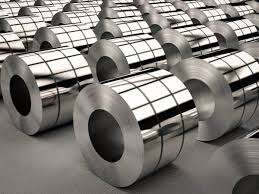
Selecting the appropriate hot dipped galvanized materials for construction and industrial projects requires careful consideration of multiple factors that directly impact performance, longevity, and cost-effectiveness. Hot dipped galvanized products have become the gold standard for corrosion protection in countless applications, from structural steel frameworks to marine infrastructure. The process involves immersing steel components in molten zinc, creating a metallurgically bonded coating that provides superior protection against environmental elements. Understanding the nuances of hot dipped galvanized materials ensures project success and optimal return on investment.
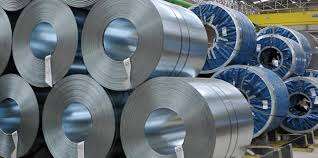
Understanding Hot Dipped Galvanized Coating Technology
The Science Behind Zinc Protection
The hot dipped galvanized process creates a unique metallurgical bond between zinc and steel substrate, resulting in multiple protective layers that work synergistically. When steel is immersed in molten zinc at temperatures around 460°C, iron atoms from the steel surface react with zinc to form intermetallic layers. These layers provide exceptional adhesion and create a barrier that prevents oxygen and moisture from reaching the underlying steel. The outer pure zinc layer acts as a sacrificial anode, protecting even small scratches or cut edges through cathodic protection.
This galvanic protection mechanism distinguishes hot dipped galvanized coatings from alternative protection methods. Unlike painted surfaces that rely solely on barrier protection, zinc coatings actively protect exposed steel areas by corroding preferentially. The zinc coating gradually sacrifices itself to protect the steel substrate, providing decades of maintenance-free service in most environments. Understanding this fundamental protection principle helps engineers and project managers make informed decisions about coating thickness requirements and expected service life.
Coating Thickness Standards and Specifications
Hot dipped galvanized coating thickness varies based on steel section size, composition, and intended application requirements. Industry standards such as ASTM A123 and ISO 1461 specify minimum coating thickness values that ensure adequate protection for different steel categories. Structural steel sections typically receive coatings ranging from 45 to 85 micrometers, while smaller fabricated items may have thinner coatings around 35 micrometers. The relationship between steel thickness and coating weight follows established guidelines that balance protection requirements with economic considerations.
Specifying appropriate coating thickness involves analyzing environmental exposure conditions, expected service life, and maintenance accessibility. Aggressive environments such as marine or industrial atmospheres may require thicker coatings or additional protective measures. The hot dipped galvanized process naturally produces varying coating thickness across different surface orientations, with horizontal surfaces typically receiving thicker coatings than vertical ones. Project specifications should account for these variations while establishing minimum acceptable coating thickness values.
Environmental Considerations and Performance Factors
Corrosivity Categories and Service Life Prediction
Environmental assessment forms the foundation of hot dipped galvanized product selection, as atmospheric conditions directly influence coating performance and longevity. The ISO 12944 standard categorizes atmospheric corrosivity into six classes, from C1 (very low) to CX (extreme), each requiring different protection strategies. Hot dipped galvanized coatings perform exceptionally well in rural and suburban environments (C2-C3) but may require additional protection in highly aggressive industrial or marine atmospheres (C4-C5). Understanding these classifications enables accurate service life prediction and appropriate system selection.
Temperature fluctuations, humidity levels, and pollutant concentrations significantly impact zinc coating consumption rates. Coastal environments present unique challenges due to chloride exposure, while industrial atmospheres may contain sulfur compounds that accelerate zinc corrosion. The hot dipped galvanized coating responds predictably to these environmental stressors, allowing engineers to calculate expected maintenance intervals and lifecycle costs. Proper environmental assessment ensures that selected products will meet or exceed design life requirements without premature failure.
Compatibility with Other Materials and Systems
Material compatibility considerations extend beyond the hot dipped galvanized coating itself to include connections, fasteners, and adjacent materials that may interact galvanically. When zinc-coated steel contacts dissimilar metals in the presence of moisture, galvanic corrosion may occur depending on the relative positions in the galvanic series. Aluminum and zinc exhibit similar electrochemical properties, making them compatible in most applications, while copper and brass should be isolated from hot dipped galvanized surfaces to prevent accelerated corrosion.
Sealants, gaskets, and joint compounds must be compatible with zinc surfaces to maintain system integrity over time. Some elastomeric compounds may react with zinc, leading to staining or reduced adhesion. The hot dipped galvanized surface preparation requirements for secondary coatings or treatments also influence material selection decisions. Understanding these compatibility issues prevents costly failures and ensures optimal system performance throughout the design life.
Application-Specific Selection Criteria
Structural Steel Applications
Structural applications demand hot dipped galvanized products that can withstand mechanical stresses while maintaining corrosion protection integrity. Building frameworks, bridges, and industrial structures require careful consideration of load paths, connection details, and accessibility for inspection and maintenance. Heavy structural sections benefit from the robust protection provided by thick zinc coatings, which can accommodate normal handling and installation stresses without compromising protection. The ductility of hot dipped galvanized coatings allows them to deform with the underlying steel under load without cracking or spalling.
Connection design significantly influences hot dipped galvanized product selection, as welding, drilling, or cutting operations may locally remove protective coatings. Specifying appropriate repair procedures and materials ensures continued protection at these vulnerable points. Structural applications often require compliance with building codes and standards that may specify minimum coating thickness or performance requirements. The proven track record of hot dipped galvanized structural steel in demanding applications provides confidence in long-term performance and cost-effectiveness.
Infrastructure and Transportation Projects
Transportation infrastructure projects present unique challenges that make hot dipped galvanized products particularly attractive for guardrails, lighting poles, and bridge components. These applications often involve extended service life requirements in challenging environments with limited maintenance access. Highway guardrail systems benefit from the impact resistance and self-healing properties of zinc coatings, which continue to provide protection even after mechanical damage. The consistent appearance and weathering characteristics of hot dipped galvanized surfaces maintain aesthetic appeal throughout the service life.
Bridge applications require careful consideration of environmental exposure, structural requirements, and maintenance strategies. Hot dipped galvanized bridge components have demonstrated exceptional longevity in various climates and exposure conditions. The ability to specify different coating thickness requirements for different bridge elements allows optimization of protection levels based on specific exposure conditions. Transportation agencies increasingly recognize the lifecycle cost advantages of hot dipped galvanized infrastructure components compared to alternative protection systems.
Quality Assessment and Testing Protocols
Inspection Standards and Acceptance Criteria
Quality control procedures for hot dipped galvanized products involve both visual inspection and quantitative testing methods that verify coating integrity and thickness compliance. Visual inspection identifies surface defects, drainage issues, and areas requiring repair or reprocessing. Coating thickness measurements using magnetic thickness gauges provide quantitative verification of specification compliance across representative sample areas. Standard test methods such as ASTM A123 specify minimum acceptable coating thickness values and testing frequencies for different product categories.
Surface preparation quality significantly influences hot dipped galvanized coating adhesion and appearance characteristics. Proper cleaning and pickling procedures remove mill scale, rust, and contaminants that could interfere with zinc-iron alloy formation. Flux treatment ensures uniform zinc coverage and proper alloy development during the galvanizing process. Understanding these process requirements helps project managers establish appropriate inspection protocols and acceptance criteria for delivered products.
Performance Testing and Validation Methods
Standardized testing methods provide objective measures of hot dipped galvanized coating performance characteristics relevant to specific application requirements. Salt spray testing evaluates corrosion resistance under accelerated conditions, while cyclic corrosion tests better simulate real-world exposure patterns. Adhesion testing using bend tests or impact methods verifies coating integrity under mechanical stress. These performance validation methods support material selection decisions and quality assurance programs for critical applications.
Long-term exposure testing provides the most reliable performance data for hot dipped galvanized products in specific environments. Atmospheric exposure sites maintained by research organizations and industry associations generate valuable data on coating performance trends and service life predictions. This empirical data supports engineering design decisions and helps validate theoretical service life calculations. Specifying appropriate testing protocols ensures that selected hot dipped galvanized products meet performance expectations throughout their intended service life.
Economic Analysis and Lifecycle Cost Considerations
Initial Cost Factors and Budget Planning
Hot dipped galvanized product costs involve several components including material preparation, processing fees, transportation, and potential design modifications to accommodate coating thickness. Initial cost analysis should consider the premium for galvanized products compared to unprotected steel or alternative protection systems. However, this analysis must account for the extended service life and reduced maintenance requirements that hot dipped galvanized products typically provide. The coating thickness and complexity of fabricated items influence processing costs, with heavier sections and complex geometries requiring additional handling and processing time.
Project scheduling considerations may influence hot dipped galvanized product selection, as processing lead times can impact construction timelines. Coordination between fabricators and galvanizers ensures efficient workflow and minimizes delays. The availability of galvanizing capacity in project locations may affect costs and scheduling, particularly for large or complex projects. Early engagement with hot dipped galvanized suppliers helps identify potential constraints and develop appropriate procurement strategies.
Maintenance Savings and Return on Investment
The maintenance-free characteristics of hot dipped galvanized products generate significant cost savings over traditional paint systems that require regular inspection, surface preparation, and reapplication. Lifecycle cost analysis should quantify these savings based on expected maintenance frequencies, labor costs, and material expenses for alternative systems. Access requirements for maintenance operations can dramatically influence total lifecycle costs, particularly for structures in remote locations or areas requiring special safety procedures.
Risk mitigation benefits of hot dipped galvanized products include reduced liability exposure from corrosion-related failures and improved schedule certainty through elimination of planned maintenance activities. Insurance companies may recognize these benefits through reduced premiums for structures with proven corrosion protection systems. The predictable performance characteristics of hot dipped galvanized coatings support accurate budget planning and reduce contingency requirements for long-term maintenance programs.
FAQ
What factors should I consider when specifying coating thickness for hot dipped galvanized products
Coating thickness selection depends primarily on environmental exposure conditions, expected service life requirements, and steel section characteristics. More aggressive environments such as marine or industrial atmospheres require thicker coatings to achieve comparable service life. Steel composition and section size influence coating development during the galvanizing process, with silicon content particularly affecting final thickness. Consult relevant standards such as ASTM A123 or ISO 1461 for minimum thickness requirements, but consider specifying higher values for critical or long-life applications.
How do I ensure compatibility between hot dipped galvanized steel and other materials in my project
Material compatibility assessment should consider galvanic relationships, chemical interactions, and thermal expansion characteristics. Avoid direct contact between hot dipped galvanized steel and metals that are cathodic to zinc, such as copper, brass, or stainless steel, unless proper isolation methods are employed. Use compatible fasteners, sealants, and gaskets that will not react adversely with zinc surfaces. When secondary coatings are required, ensure proper surface preparation and primer selection for optimal adhesion to the zinc substrate.
What quality control measures should be implemented for hot dipped galvanized products
Comprehensive quality control programs should include both visual inspection and quantitative testing methods. Visual inspection identifies surface defects, drainage issues, and coating uniformity problems that may require correction. Coating thickness measurement using magnetic gauges verifies compliance with specified requirements across representative sample areas. Document inspection results and maintain records for warranty and performance tracking purposes. Consider third-party inspection services for critical applications or when additional verification is required.
How can I optimize the lifecycle cost performance of hot dipped galvanized products in my project
Lifecycle cost optimization begins with accurate environmental assessment and appropriate coating thickness specification for expected service conditions. Consider design modifications that minimize coating thickness variations and eliminate areas prone to premature coating consumption. Specify compatible materials and proper drainage details to maximize coating life and minimize maintenance requirements. Develop realistic service life projections based on empirical data from similar applications and environmental conditions to support accurate cost-benefit analysis.
Table of Contents
- Understanding Hot Dipped Galvanized Coating Technology
- Environmental Considerations and Performance Factors
- Application-Specific Selection Criteria
- Quality Assessment and Testing Protocols
- Economic Analysis and Lifecycle Cost Considerations
-
FAQ
- What factors should I consider when specifying coating thickness for hot dipped galvanized products
- How do I ensure compatibility between hot dipped galvanized steel and other materials in my project
- What quality control measures should be implemented for hot dipped galvanized products
- How can I optimize the lifecycle cost performance of hot dipped galvanized products in my project