 EN
EN
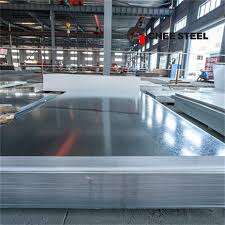
Outdoor structures face relentless environmental challenges that can severely compromise their structural integrity and longevity. From coastal facilities battling salt spray to industrial complexes enduring chemical exposure, the choice of protective coating can determine whether a structure thrives or deteriorates within years. Hot dipped galvanized coating has emerged as the gold standard for protecting steel structures against corrosion, offering unparalleled durability and cost-effectiveness. This comprehensive protection method involves immersing steel components in molten zinc, creating a metallurgical bond that provides both barrier and sacrificial protection. Understanding where this coating proves essential can help engineers, architects, and facility managers make informed decisions that maximize infrastructure investments while ensuring long-term performance.
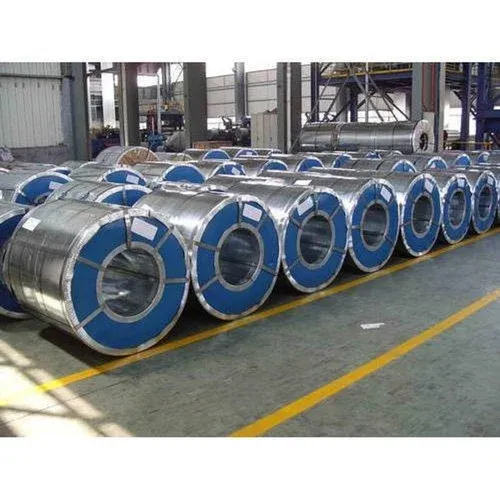
Marine and Coastal Infrastructure Applications
Ports and Harbor Facilities
Marine environments represent some of the most challenging conditions for structural materials, making hot dipped galvanized coating absolutely critical for port infrastructure. The combination of salt spray, high humidity, and constant moisture exposure creates an aggressive corrosive environment that can destroy unprotected steel within months. Galvanized steel structures in ports demonstrate exceptional longevity, often lasting 50-100 years with minimal maintenance requirements. The zinc coating forms a protective barrier that prevents chloride penetration while providing cathodic protection to any exposed steel areas.
Dock pilings, crane structures, and loading equipment benefit tremendously from hot dipped galvanized coating application. The immersion process ensures complete coverage of complex geometries and hard-to-reach areas that are common in marine construction. This comprehensive protection extends to bolted connections, welds, and cut edges that might otherwise become corrosion initiation points. Port authorities worldwide specify galvanized coatings for critical infrastructure components to minimize lifecycle costs and ensure operational reliability.
Offshore Platform Components
Offshore oil and gas platforms operate in perhaps the most severe marine environments, where hot dipped galvanized coating provides essential protection for secondary structural elements. While primary structural components may require additional protective systems, galvanized coatings excel for walkways, handrails, grating, and support structures. The coating's ability to maintain integrity under constant salt spray exposure makes it invaluable for platform safety systems and access structures.
Maintenance accessibility on offshore platforms makes the durability of hot dipped galvanized coating particularly valuable. The self-healing properties of zinc coatings help protect minor scratches and abrasions that inevitably occur during platform operations. This characteristic significantly reduces the frequency of maintenance interventions, which are both costly and logistically challenging in offshore environments. The proven performance of galvanized coatings in these demanding applications has led to their widespread specification for offshore infrastructure worldwide.
Transportation Infrastructure Requirements
Bridge Construction and Components
Highway and railway bridges represent critical infrastructure investments that must withstand decades of environmental exposure while maintaining structural integrity. Hot dipped galvanized coating provides exceptional protection for bridge components, particularly those exposed to de-icing salts, vehicle emissions, and varying weather conditions. The coating's durability ensures that bridge maintenance schedules can focus on mechanical systems rather than corrosion remediation, significantly reducing lifecycle costs and traffic disruptions.
Galvanized bridge components demonstrate remarkable longevity in service, with many structures showing minimal corrosion after 20-30 years of exposure. The metallurgical bond between zinc and steel creates a coating system that moves with thermal expansion and contraction without cracking or flaking. This flexibility is crucial for bridge applications where thermal cycling and dynamic loading create challenging service conditions. Engineers increasingly specify hot dipped galvanized coating for new bridge construction and rehabilitation projects to ensure long-term performance.
Highway Infrastructure Systems
Road infrastructure extends beyond bridges to include guardrails, sign structures, lighting poles, and traffic management systems that require reliable corrosion protection. Hot dipped galvanized coating provides essential durability for these components, which face constant exposure to road salt, automotive emissions, and weather extremes. The coating's proven performance in highway applications has made it the standard specification for most transportation agencies worldwide.
Sign gantries and overhead structures benefit particularly from galvanized protection due to their critical safety functions and difficult maintenance access. The long-term reliability of hot dipped galvanized coating reduces the need for lane closures and traffic disruptions associated with maintenance activities. This operational benefit, combined with reduced material and labor costs over the structure's lifetime, makes galvanized coatings an economical choice for highway infrastructure development and maintenance programs.
Industrial Facility Protection Standards
Chemical Processing Plants
Chemical processing facilities present unique challenges for structural protection, where hot dipped galvanized coating offers essential corrosion resistance against various chemical exposures. While the coating may not be suitable for all chemical environments, it provides excellent protection against many common industrial atmospheres and mild chemical exposures. The zinc coating's sacrificial protection mechanism continues to function even when minor coating damage occurs, providing ongoing protection for underlying steel structures.
Pipe supports, walkway systems, and structural frameworks in chemical plants benefit from the comprehensive protection offered by hot dipped galvanized coating. The coating's resistance to atmospheric corrosion helps maintain structural integrity while reducing maintenance requirements in areas where access may be limited or hazardous. Plant engineers often specify galvanized coatings for secondary structural elements to ensure long-term facility reliability and worker safety.
Power Generation Infrastructure
Power generation facilities require robust structural protection to ensure reliable operation and worker safety, making hot dipped galvanized coating essential for many applications. Transmission towers, substation structures, and cooling tower components face aggressive environmental conditions that can compromise unprotected steel within years. The galvanized coating provides decades of reliable protection, reducing maintenance costs and improving system reliability.
Solar panel mounting systems represent a growing application for hot dipped galvanized coating, where long-term durability directly impacts project economics. The coating's proven performance over 25-30 year periods aligns well with solar panel warranties and project financing requirements. Wind energy infrastructure also relies heavily on galvanized components for tower internals, access systems, and secondary structures where maintenance accessibility is limited and long-term reliability is critical.
Agricultural and Rural Structure Applications
Farm Equipment and Storage Facilities
Agricultural environments expose structures to unique corrosive conditions including fertilizers, animal waste, and high humidity levels that make hot dipped galvanized coating essential for longevity. Grain storage facilities, livestock buildings, and equipment structures benefit from the coating's resistance to these challenging conditions. The galvanized protection ensures that agricultural investments maintain their value and functionality over extended service periods.
The economics of agricultural operations make the durability of hot dipped galvanized coating particularly valuable, as replacement costs must compete with other farm investments. Galvanized structures often provide 30-50 years of reliable service with minimal maintenance, making them ideal for agricultural applications where long-term cost control is essential. The coating's performance in rural environments has made it the standard choice for agricultural construction and equipment protection.
Telecommunications Infrastructure
Rural telecommunications infrastructure relies heavily on hot dipped galvanized coating for tower structures, equipment enclosures, and support systems that must operate reliably in remote locations. The coating's maintenance-free performance is crucial in areas where service access is difficult and costly. Galvanized towers and structures provide decades of reliable service while supporting critical communication systems for rural communities and emergency services.
The expansion of broadband infrastructure into rural areas has increased demand for galvanized structural components that can withstand environmental exposure without frequent maintenance. Hot dipped galvanized coating provides the long-term reliability needed for these infrastructure investments while keeping lifecycle costs manageable for telecommunications providers serving low-density markets.
FAQ
What makes hot dipped galvanized coating more effective than other protective coatings for outdoor structures?
Hot dipped galvanized coating creates a metallurgical bond with steel that provides both barrier protection and cathodic protection. Unlike paint systems that rely solely on barrier properties, zinc coatings sacrifice themselves to protect the underlying steel, continuing to provide protection even when minor damage occurs. The immersion process ensures complete coverage of complex shapes and provides consistent coating thickness that can last 50-100 years in many environments.
How long does hot dipped galvanized coating typically last in marine environments?
In marine environments, properly applied hot dipped galvanized coating can provide 15-25 years of maintenance-free protection, with total service life often extending 40-60 years depending on coating thickness and specific exposure conditions. The coating's performance in salt spray environments is well-documented through decades of field experience and accelerated testing programs conducted by industry organizations worldwide.
Can hot dipped galvanized coating be applied to existing structures or only during initial fabrication?
Hot dipped galvanized coating is typically applied during the fabrication process before assembly, as the immersion process requires access to molten zinc baths and specific handling equipment. However, smaller components and replacement parts can be galvanized separately and incorporated into existing structures. For field applications, zinc-rich primers and thermal spray coatings can provide similar protection characteristics.
What factors should be considered when specifying hot dipped galvanized coating for outdoor structures?
Key factors include environmental exposure conditions, expected service life, maintenance accessibility, and lifecycle cost considerations. The coating thickness should be appropriate for the expected service environment, with heavier coatings specified for more aggressive conditions. Design considerations such as drainage, ventilation, and geometric complexity also influence coating performance and should be evaluated during the specification process.
Table of Contents
- Marine and Coastal Infrastructure Applications
- Transportation Infrastructure Requirements
- Industrial Facility Protection Standards
- Agricultural and Rural Structure Applications
-
FAQ
- What makes hot dipped galvanized coating more effective than other protective coatings for outdoor structures?
- How long does hot dipped galvanized coating typically last in marine environments?
- Can hot dipped galvanized coating be applied to existing structures or only during initial fabrication?
- What factors should be considered when specifying hot dipped galvanized coating for outdoor structures?