 EN
EN
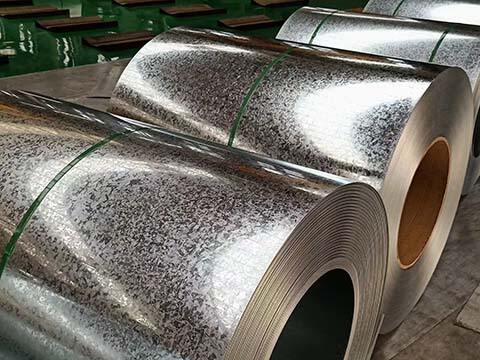
Hot dipped galvanized steel represents one of the most effective and widely adopted methods for protecting steel structures from corrosion in industrial applications. This advanced coating process involves immersing steel components in molten zinc at temperatures exceeding 840 degrees Fahrenheit, creating a metallurgical bond that provides exceptional durability and longevity. The resulting zinc coating acts as both a barrier and sacrificial layer, offering superior protection compared to other coating methods. Understanding the science behind this process helps explain why hot dipped galvanized steel has become the preferred choice for critical infrastructure projects, construction applications, and manufacturing operations worldwide.
The Fundamental Science Behind Galvanization Process
Metallurgical Bonding Mechanisms
The hot dipped galvanized steel process creates multiple intermetallic layers that form through diffusion bonding between zinc and iron atoms. When steel is immersed in molten zinc, the high temperature facilitates atomic migration, resulting in the formation of distinct zinc-iron alloy layers. These layers include the gamma layer, delta layer, and zeta layer, each contributing unique properties to the overall coating performance. The outermost pure zinc layer provides the primary corrosion protection, while the intermetallic layers ensure exceptional adhesion to the base steel substrate.
This metallurgical bonding differs significantly from electroplating or spray coating methods because it creates a true alloy interface rather than simply depositing zinc on the surface. The resulting bond strength typically exceeds 3,600 pounds per square inch, making it virtually impossible for the coating to separate from the base metal under normal service conditions. Hot dipped galvanized steel maintains this bond integrity even when subjected to thermal cycling, mechanical stress, and environmental exposure over extended periods.
Temperature and Time Variables
The galvanization temperature and immersion time directly influence the coating thickness and layer formation in hot dipped galvanized steel. Standard galvanization occurs at temperatures between 840-860 degrees Fahrenheit, with immersion times ranging from 90 seconds to several minutes depending on steel thickness and composition. Higher temperatures promote faster zinc diffusion but may result in excessive coating thickness or brittleness in certain applications. Precise temperature control ensures optimal coating formation while maintaining the mechanical properties of the underlying steel.
Silicon content in the steel composition significantly affects the galvanization process, as silicon acts as a catalyst for zinc-iron alloy formation. Steel with silicon content between 0.04-0.15% produces optimal coating characteristics, while higher silicon levels can lead to increased coating thickness and potential brittleness. Understanding these metallurgical interactions allows manufacturers to optimize steel composition and processing parameters to achieve desired performance characteristics in hot dipped galvanized steel products.
Corrosion Protection Mechanisms and Performance
Barrier Protection Principles
The zinc coating on hot dipped galvanized steel functions as an effective barrier layer that prevents oxygen, moisture, and corrosive chemicals from reaching the underlying steel surface. This barrier protection mechanism works by creating a dense, adherent coating that resists penetration by corrosive agents commonly found in industrial and marine environments. The coating thickness typically ranges from 85-100 microns for standard applications, providing sufficient barrier protection for decades of service life under normal exposure conditions.
Zinc oxide and zinc carbonate compounds form naturally on the surface of hot dipped galvanized steel when exposed to atmospheric conditions, creating additional protective layers. These patination products are stable, adherent, and self-healing, meaning they can reform if damaged through minor scratches or abrasion. The barrier protection effectiveness increases over time as these natural patination layers develop and mature, contributing to the exceptional longevity observed in galvanized structures worldwide.
Cathodic Protection Benefits
Beyond barrier protection, hot dipped galvanized steel provides cathodic protection through the sacrificial action of zinc when the coating is damaged or compromised. Zinc is anodic to iron in the galvanic series, meaning it will preferentially corrode to protect exposed steel areas. This electrochemical protection extends beyond the immediate area of coating damage, providing protection to steel surfaces several millimeters away from the zinc coating edge.
The cathodic protection mechanism ensures that even when hot dipped galvanized steel experiences coating damage through impact, cutting, or drilling, the exposed steel remains protected from corrosion. This self-protecting characteristic eliminates the need for touch-up coatings in many applications and contributes significantly to the cost-effectiveness of galvanized steel solutions in harsh environments. The protection continues until the zinc coating is completely consumed, which typically takes decades depending on environmental conditions.
Environmental Performance and Durability Factors
Atmospheric Exposure Resistance
Hot dipped galvanized steel demonstrates exceptional performance across diverse atmospheric conditions, from rural environments to industrial areas with high pollution levels. In rural and suburban atmospheres, galvanized coatings can provide 50-100 years of maintenance-free service life, while industrial and marine environments typically yield 20-50 years of protection. The zinc corrosion rate varies predictably with environmental factors including humidity, temperature cycling, pollutant concentrations, and salt exposure levels.
Atmospheric corrosion testing conducted worldwide has established reliable prediction models for hot dipped galvanized steel performance in different climate zones. These studies demonstrate that galvanized coatings maintain their protective properties even under extreme conditions such as coastal salt spray, industrial sulfur dioxide exposure, and tropical high-humidity environments. The predictable performance characteristics allow engineers to specify appropriate coating thicknesses and maintenance schedules based on site-specific environmental conditions.
Chemical Resistance Properties
The chemical resistance of hot dipped galvanized steel makes it suitable for applications involving exposure to various industrial chemicals and process environments. Zinc coatings demonstrate excellent resistance to alkaline solutions, making galvanized steel ideal for concrete embedment applications where high pH conditions exist. The coating also resists many organic solvents, oils, and petroleum products commonly encountered in industrial facilities and transportation infrastructure.
However, hot dipped galvanized steel shows limited resistance to strong acids and certain chemical environments that rapidly attack zinc. In such applications, additional protective measures or alternative coating systems may be necessary. Understanding the chemical compatibility characteristics allows designers to make informed decisions about material selection and supplementary protection requirements for specific service environments.
Manufacturing Process Optimization and Quality Control
Surface Preparation Requirements
Proper surface preparation is crucial for achieving optimal coating quality in hot dipped galvanized steel production. The steel surface must be completely free of mill scale, rust, oil, paint, and other contaminants that could interfere with zinc adhesion. The preparation process typically involves caustic cleaning to remove oils and greases, followed by acid pickling to eliminate oxide scales and surface contamination. Thorough rinsing and flux application complete the preparation sequence before galvanization.
Quality control measures during surface preparation include visual inspection, surface roughness measurement, and chemical analysis to verify cleanliness levels. Advanced galvanizing facilities employ automated surface preparation systems that ensure consistent cleaning quality while minimizing processing time and chemical consumption. Proper surface preparation directly correlates with coating adhesion, uniformity, and long-term performance of hot dipped galvanized steel products.
Coating Thickness Control Methods
Achieving consistent coating thickness across complex geometries requires careful control of withdrawal speed, zinc bath composition, and steel temperature during the galvanization process. Hot dipped galvanized steel coating thickness is primarily controlled through withdrawal speed from the molten zinc bath, with slower withdrawal rates generally producing thicker coatings. Bath temperature, zinc purity, and aluminum additions also influence coating formation and final thickness distribution.
Modern galvanizing lines incorporate real-time coating thickness monitoring systems that provide immediate feedback for process adjustments. These systems use magnetic induction or eddy current measurement techniques to monitor coating thickness continuously during production. Statistical process control methods help maintain coating uniformity within specified tolerances while optimizing zinc consumption and production efficiency for hot dipped galvanized steel manufacturing operations.
Cost-Effectiveness and Lifecycle Benefits
Initial Investment Considerations
While hot dipped galvanized steel may require higher initial material costs compared to uncoated steel alternatives, the total lifecycle cost analysis consistently favors galvanized solutions for most applications. The initial cost premium typically ranges from 10-30% depending on coating thickness requirements and product complexity. However, this investment is quickly recovered through reduced maintenance expenses, extended service life, and improved reliability over the structure's operational period.
Cost comparisons must consider not only material prices but also fabrication efficiency, installation requirements, and ongoing maintenance obligations. Hot dipped galvanized steel can often be fabricated, welded, and installed using standard procedures without special handling requirements. The coating's durability eliminates the need for periodic recoating cycles that add significant lifecycle costs to painted steel alternatives in corrosive environments.
Maintenance and Replacement Scheduling
The extended service life of hot dipped galvanized steel significantly reduces maintenance requirements and replacement frequencies compared to other protection systems. Galvanized coatings typically require no maintenance for the first 15-25 years of service, depending on environmental conditions. When maintenance becomes necessary, it usually involves simple cleaning or minor touch-up rather than complete recoating operations.
Maintenance planning for hot dipped galvanized steel structures can be based on predictable coating life expectations derived from extensive field performance data. This predictability allows facility managers to develop accurate long-term budgets and maintenance schedules. The reduced maintenance frequency also minimizes operational disruptions and safety risks associated with access to elevated or remote structural elements.
Applications and Industry Implementation
Infrastructure and Construction Uses
Hot dipped galvanized steel finds extensive application in infrastructure projects where long-term durability and minimal maintenance are critical requirements. Highway guardrails, bridge components, transmission towers, and building frameworks commonly utilize galvanized steel to ensure decades of reliable service. The combination of structural strength and corrosion resistance makes hot dipped galvanized steel particularly valuable for applications where replacement would be costly or disruptive.
Construction applications benefit from the immediate corrosion protection provided by hot dipped galvanized steel, eliminating concerns about rust formation during storage, transportation, and installation. The coating's durability allows structures to maintain their appearance and structural integrity throughout extended construction schedules. Additionally, galvanized components can be safely embedded in concrete without risk of coating damage or accelerated corrosion at the steel-concrete interface.
Industrial and Marine Applications
Industrial facilities frequently specify hot dipped galvanized steel for equipment platforms, walkways, handrails, and structural supports exposed to harsh operating conditions. Chemical processing plants, power generation facilities, and manufacturing operations benefit from the chemical resistance and cathodic protection properties of galvanized coatings. The ability to withstand temperature cycling, mechanical stress, and chemical exposure makes hot dipped galvanized steel an ideal choice for demanding industrial environments.
Marine applications present unique challenges due to salt spray exposure and high humidity conditions that accelerate corrosion in unprotected steel. Hot dipped galvanized steel performs exceptionally well in marine environments, providing reliable protection for dock structures, offshore platforms, and coastal infrastructure. The sacrificial protection mechanism continues to function even when coatings are damaged by wave action or impact, ensuring continued protection of critical structural elements.
FAQ
How long does hot dipped galvanized steel last in different environments
Hot dipped galvanized steel service life varies significantly with environmental conditions, ranging from 20-50 years in industrial and marine environments to 50-100 years in rural and suburban settings. Coastal areas with salt spray exposure typically see 25-40 years of protection, while inland industrial areas may experience 20-35 years depending on pollution levels. Rural environments with minimal corrosive exposure can extend galvanized coating life beyond 75 years. These estimates assume standard coating thickness of 85-100 microns and proper installation practices.
What factors affect the quality of hot dipped galvanized steel coatings
Several critical factors influence hot dipped galvanized steel coating quality including steel composition, surface preparation completeness, galvanizing temperature control, and withdrawal speed from the zinc bath. Steel silicon content between 0.04-0.15% produces optimal results, while higher levels can cause excessive coating thickness. Thorough cleaning and pickling remove contaminants that could prevent proper zinc adhesion. Maintaining bath temperature at 840-860°F ensures proper alloy layer formation, and controlled withdrawal speed determines final coating thickness uniformity.
Can hot dipped galvanized steel be welded after galvanization
Hot dipped galvanized steel can be welded after galvanization using appropriate safety precautions and welding procedures. Welding generates zinc fumes that require adequate ventilation and respiratory protection to prevent metal fume fever. The welding process burns away zinc coating in the immediate weld area, exposing bare steel that must be protected after welding completion. Touch-up protection typically involves zinc-rich paint application or thermal spray zinc coating to restore corrosion protection at weld locations.
How does hot dipped galvanized steel compare to stainless steel for corrosion resistance
Hot dipped galvanized steel and stainless steel offer different corrosion protection mechanisms and cost-performance characteristics. Stainless steel provides superior corrosion resistance in highly aggressive chemical environments due to its chromium content forming passive oxide layers. However, hot dipped galvanized steel offers better cost-effectiveness for most atmospheric exposure applications, providing 90% of stainless steel's corrosion performance at 30-50% of the material cost. Galvanized steel also provides cathodic protection when damaged, while stainless steel relies solely on passive film integrity for protection.