 EN
EN
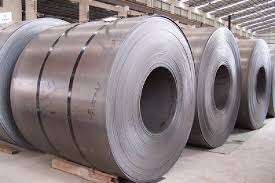
Industrial components face relentless exposure to harsh environmental conditions that can significantly reduce their operational lifespan. Among the various protective coating methods available today, hot dipped galvanizing stands as the most reliable and cost-effective solution for extending the durability of steel structures and components. This electrochemical protection process creates a metallurgical bond between zinc and steel that provides unparalleled corrosion resistance, making it an essential consideration for manufacturers and engineers seeking long-term performance solutions.
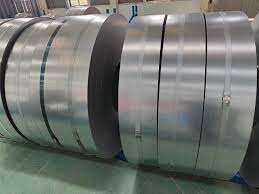
Understanding the Hot Dipped Galvanizing Process
Chemical Bath Preparation and Steel Preparation
The hot dipped galvanizing process begins with meticulous preparation of steel components to ensure optimal zinc adhesion and coating quality. Steel surfaces undergo thorough cleaning through degreasing, pickling in hydrochloric acid, and fluxing to remove mill scale, rust, and surface contaminants. This preparation phase is critical because any remaining impurities can compromise the metallurgical bond between zinc and steel, ultimately affecting the protective coating's effectiveness.
Following surface preparation, components are immersed in a bath of molten zinc maintained at approximately 840°F (449°C). The high temperature facilitates the formation of zinc-iron intermetallic layers that create the characteristic durability of hot dipped galvanizing. During this immersion process, zinc reacts with the steel substrate to form a series of zinc-iron alloy layers, topped with a pure zinc outer layer that provides the visible coating appearance.
Metallurgical Bond Formation
The metallurgical bond created during hot dipped galvanizing represents a fundamental advantage over other coating methods. Unlike paint or powder coating that merely adheres to the surface, the galvanizing process creates actual alloy layers between the zinc and steel. These intermetallic layers include gamma, delta, and zeta phases, each contributing specific properties to the overall protective system.
This metallurgical bonding ensures that the protective coating cannot peel, chip, or flake off under normal conditions. The zinc coating becomes an integral part of the steel component rather than a separate layer, providing superior adhesion and durability compared to other protective coating systems. This fundamental difference explains why hot dipped galvanizing consistently outperforms alternative coating methods in longevity studies and real-world applications.
Superior Corrosion Protection Mechanisms
Barrier Protection Properties
Hot dipped galvanizing provides exceptional barrier protection by creating a continuous zinc coating that prevents moisture and oxygen from reaching the underlying steel substrate. The zinc coating thickness typically ranges from 3.0 to 5.0 mils (76 to 127 micrometers), providing substantial physical protection against environmental elements. This barrier protection is particularly effective in industrial environments where components face exposure to moisture, chemicals, and atmospheric pollutants.
The uniform coating thickness achieved through the hot dipped galvanizing process ensures consistent protection across all surfaces, including complex geometries and hard-to-reach areas. Unlike spray-applied coatings that may vary in thickness or miss certain areas, the immersion process guarantees complete coverage of all exposed surfaces. This comprehensive protection eliminates potential weak points where corrosion could initiate and compromise component integrity.
Galvanic Protection Benefits
Beyond barrier protection, hot dipped galvanizing provides galvanic protection through the sacrificial nature of zinc. When the coating is damaged or scratched, zinc continues to protect the exposed steel through electrochemical action. Zinc is anodic to steel in most environments, meaning it will preferentially corrode to protect the steel substrate even when the coating is compromised.
This galvanic protection extends well beyond the immediate area of damage, with zinc providing cathodic protection to steel surfaces within a specific radius of the coating. This self-healing characteristic ensures continued protection even under conditions that would cause other coating systems to fail catastrophically. The galvanic protection mechanism makes hot dipped galvanizing particularly valuable for applications where maintenance access is limited or where coating damage is inevitable.
Economic Advantages and Cost Analysis
Initial Investment versus Long-Term Value
While the initial cost of hot dipped galvanizing may appear higher than some alternative coating systems, comprehensive lifecycle cost analysis consistently demonstrates superior economic value. The extended service life achieved through hot dipped galvanizing significantly reduces the need for maintenance, recoating, and component replacement over the operational lifetime of industrial structures and equipment.
Industry studies indicate that hot dipped galvanizing can provide service lives exceeding 50 years in many environments, compared to 10-15 years for high-quality paint systems. This extended service life translates to substantial cost savings when considering the total cost of ownership, including material costs, labor expenses, equipment downtime, and replacement component costs. The economic advantages become even more pronounced in remote locations or applications where maintenance access is expensive or difficult.
Maintenance Cost Reduction
The maintenance requirements for components protected by hot dipped galvanizing are significantly lower than those for painted or powder-coated surfaces. Galvanized components typically require only periodic washing with water to maintain their protective properties and appearance. This minimal maintenance requirement reduces labor costs, eliminates the need for specialized coating materials, and minimizes operational disruptions.
Furthermore, the predictable performance of hot dipped galvanizing allows for more accurate maintenance scheduling and budget planning. Unlike paint systems that may fail unpredictably due to various environmental factors, the gradual and uniform weathering of zinc coatings enables facility managers to plan maintenance activities more effectively and avoid unexpected repair costs that can significantly impact operational budgets.
Environmental Considerations and Sustainability
Zinc Recycling and Resource Efficiency
Hot dipped galvanizing offers significant environmental advantages through the recyclability of zinc and the extended service life of protected components. Zinc is a naturally occurring element that can be recycled indefinitely without loss of its protective properties. When galvanized components reach the end of their service life, the zinc coating can be recovered and reused in new galvanizing operations, contributing to sustainable resource management.
The extended service life provided by hot dipped galvanizing reduces the environmental impact associated with manufacturing replacement components and disposing of failed protective coatings. By preventing premature corrosion failure, hot dipped galvanizing reduces the demand for raw materials, energy consumption associated with manufacturing processes, and waste generation throughout the component lifecycle.
Reduced Environmental Impact
The durability of hot dipped galvanizing contributes to reduced environmental impact through decreased maintenance activities and extended component service life. Unlike paint systems that require periodic reapplication using volatile organic compounds and generating hazardous waste, galvanized components maintain their protective properties without ongoing chemical inputs or waste generation.
Additionally, the hot dipped galvanizing process itself has become increasingly environmentally responsible through advances in zinc recovery systems, emission control technology, and energy efficiency improvements. Modern galvanizing facilities implement closed-loop systems that minimize waste generation and maximize resource utilization, making hot dipped galvanizing an environmentally sustainable choice for industrial component protection.
Application Performance in Diverse Environments
Marine and Coastal Applications
Hot dipped galvanizing demonstrates exceptional performance in marine and coastal environments where chloride exposure creates highly corrosive conditions. The zinc coating provides effective protection against salt spray and atmospheric chlorides that rapidly attack unprotected steel surfaces. Marine structures, offshore platforms, and coastal infrastructure benefit significantly from the enhanced corrosion resistance provided by hot dipped galvanizing.
The performance of hot dipped galvanizing in marine environments has been extensively documented through decades of field exposure studies. Components protected by hot dipped galvanizing consistently demonstrate superior performance compared to painted systems, maintaining structural integrity and appearance even after extended exposure to harsh marine conditions. This proven performance makes hot dipped galvanizing the preferred protection method for critical marine infrastructure applications.
Industrial and Chemical Processing Environments
Industrial facilities and chemical processing plants present unique challenges for protective coating systems due to exposure to various chemicals, elevated temperatures, and aggressive atmospheric conditions. Hot dipped galvanizing provides reliable protection in many industrial environments, particularly where components face exposure to mild acids, alkalis, and industrial atmospheres containing sulfur compounds.
The chemical resistance of hot dipped galvanizing stems from the formation of stable zinc corrosion products that provide continued protection even under mildly aggressive chemical conditions. While specific chemical compatibility should be evaluated for each application, hot dipped galvanizing has proven effective in numerous industrial settings including power generation facilities, water treatment plants, and manufacturing operations where component reliability is critical for operational continuity.
Quality Standards and Specification Compliance
International Standards and Testing Protocols
Hot dipped galvanizing operations must comply with rigorous international standards that ensure consistent quality and performance characteristics. ASTM A123 and ISO 1461 represent the primary specifications governing hot dipped galvanizing processes, coating thickness requirements, and quality control procedures. These standards establish minimum coating thickness requirements based on steel section thickness and specify testing methods for verifying coating quality and adhesion.
Compliance with established standards ensures that hot dipped galvanizing applications meet performance expectations and provide the anticipated service life. Regular testing and inspection procedures verify coating thickness, uniformity, and adhesion properties, providing assurance that components will perform as expected in service. The standardization of hot dipped galvanizing processes and quality requirements enables consistent specification and procurement across diverse industrial applications.
Quality Control and Performance Validation
Modern hot dipped galvanizing facilities implement comprehensive quality control programs that monitor process parameters and verify coating properties throughout production. Temperature control, zinc composition analysis, and coating thickness measurement ensure that each component meets specification requirements and performance expectations. This systematic quality control approach minimizes variability and ensures consistent protective performance across all galvanized components.
Performance validation through accelerated testing and field exposure studies provides ongoing verification of hot dipped galvanizing effectiveness. Salt spray testing, cyclic corrosion testing, and long-term atmospheric exposure studies demonstrate the superior performance characteristics that make hot dipped galvanizing the preferred choice for demanding industrial applications where component reliability is essential.
FAQ
What factors determine the service life of hot dipped galvanizing in industrial applications?
The service life of hot dipped galvanizing depends primarily on environmental conditions, coating thickness, and component design. Atmospheric corrosivity, temperature variations, humidity levels, and chemical exposure significantly influence zinc consumption rates. Thicker coatings provide extended protection, while proper component design that minimizes moisture retention and promotes drainage enhances coating longevity. In typical industrial atmospheres, properly applied hot dipped galvanizing can provide 25-50 years of maintenance-free protection.
How does coating thickness affect the performance of hot dipped galvanizing?
Coating thickness directly correlates with service life, as zinc consumption occurs at predictable rates in various environments. ASTM A123 specifies minimum thickness requirements based on steel section thickness, ranging from 3.0 mils for thin sections to 5.0 mils for thicker components. Thicker coatings provide proportionally longer protection periods, making coating thickness specification critical for applications requiring extended service life. The relationship between thickness and longevity is well-established through extensive field studies and atmospheric exposure testing.
Can hot dipped galvanizing be applied to all types of steel components?
Hot dipped galvanizing can be applied to most carbon and low-alloy steels, but certain material and design considerations affect suitability. High-silicon steels may develop excessively thick, brittle coatings that can compromise performance. Component size must fit within available galvanizing bath dimensions, and design features should accommodate thermal expansion and zinc flow during processing. Fabrication should be completed before galvanizing, as post-galvanizing welding or cutting can compromise coating integrity and protective performance.
What maintenance is required for components protected by hot dipped galvanizing?
Hot dipped galvanizing requires minimal maintenance compared to other protective coating systems. Regular washing with water removes surface deposits and maintains coating appearance while preserving protective properties. Inspection for mechanical damage should be performed periodically, with damaged areas requiring local repair using zinc-rich coatings or thermal spray application. Unlike paint systems, hot dipped galvanizing does not require periodic recoating, making it an exceptionally low-maintenance protection solution for industrial components.
Table of Contents
- Understanding the Hot Dipped Galvanizing Process
- Superior Corrosion Protection Mechanisms
- Economic Advantages and Cost Analysis
- Environmental Considerations and Sustainability
- Application Performance in Diverse Environments
- Quality Standards and Specification Compliance
-
FAQ
- What factors determine the service life of hot dipped galvanizing in industrial applications?
- How does coating thickness affect the performance of hot dipped galvanizing?
- Can hot dipped galvanizing be applied to all types of steel components?
- What maintenance is required for components protected by hot dipped galvanizing?