 EN
EN
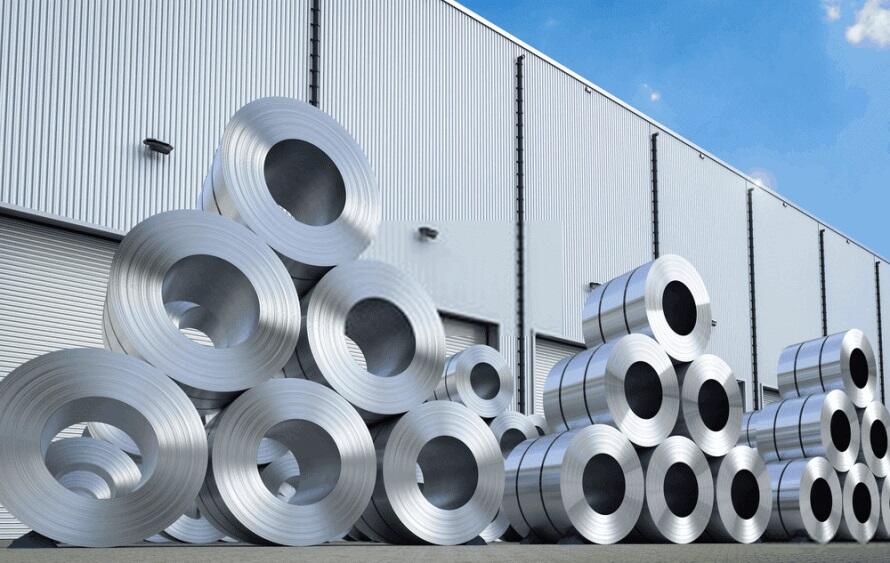
Hot dipped galvanized structures represent one of the most effective methods for protecting steel from corrosion in industrial and construction environments. The zinc coating applied through the hot dipped galvanized process creates a barrier that shields underlying steel from moisture, chemicals, and environmental elements. However, maintaining this protective coating requires understanding proper care techniques, regular inspection protocols, and appropriate maintenance strategies to ensure long-lasting performance and structural integrity.
The durability of hot dipped galvanized coatings depends significantly on environmental conditions, application methods, and ongoing maintenance practices. While these coatings naturally provide decades of protection, proactive maintenance can extend their lifespan and optimize performance. Understanding the characteristics of zinc coatings and their interaction with various environmental factors enables facility managers and engineers to develop comprehensive maintenance programs that preserve structural integrity while minimizing long-term costs.
Understanding Hot Dipped Galvanized Coating Properties
Zinc Coating Formation and Structure
The hot dipped galvanized process creates multiple layers of zinc-iron alloys that bond metallurgically with the base steel. This coating system consists of four distinct layers, each providing specific protective properties. The outermost layer of pure zinc offers sacrificial protection, meaning it corrodes preferentially to protect the underlying steel. This sacrificial action continues until the zinc coating is completely consumed, providing extended protection periods that can span several decades under normal conditions.
The thickness of hot dipped galvanized coatings typically ranges from 45 to 85 microns, depending on steel composition, surface preparation, and processing parameters. Thicker coatings generally provide longer protection periods, but coating thickness alone does not determine performance. The uniformity and adhesion of the coating play equally important roles in determining overall protective effectiveness and maintenance requirements.
Corrosion Resistance Mechanisms
Hot dipped galvanized coatings provide protection through multiple mechanisms that work synergistically to prevent corrosion. The primary protection comes from barrier protection, where the zinc coating physically separates the steel from corrosive elements. When the coating remains intact, moisture and oxygen cannot reach the steel surface, preventing the electrochemical reactions that cause rust formation.
Galvanic protection represents the second critical mechanism, occurring when the coating becomes damaged or develops minor discontinuities. In these situations, zinc acts as an anode and preferentially corrodes to protect the steel cathode. This electrochemical protection continues even when small areas of steel become exposed, providing self-healing properties that distinguish hot dipped galvanized coatings from other protective systems.
Environmental Factors Affecting Coating Performance
Atmospheric Conditions and Climate Impact
Atmospheric conditions significantly influence the performance and maintenance requirements of hot dipped galvanized structures. Marine environments with high salt content accelerate zinc consumption rates, requiring more frequent inspections and potentially shorter maintenance intervals. Industrial atmospheres containing sulfur compounds, chlorides, or other aggressive chemicals can also increase corrosion rates and affect coating durability.
Temperature fluctuations and humidity levels create additional challenges for maintaining hot dipped galvanized coatings. Repeated thermal cycling can cause coating expansion and contraction, potentially leading to stress-related damage or reduced adhesion. High humidity environments promote electrochemical activity, while extremely dry conditions may cause different types of degradation patterns that require specific maintenance approaches.
Pollution and Chemical Exposure Effects
Urban and industrial environments expose hot dipped galvanized structures to various pollutants that can accelerate coating degradation. Acid rain, automotive emissions, and industrial discharge create acidic conditions that increase zinc consumption rates. Understanding local environmental conditions helps facility managers develop appropriate maintenance schedules and select suitable protective measures for extending coating life.
Chemical exposure from processing operations, cleaning agents, or accidental spills can cause localized damage to hot dipped galvanized coatings. Alkaline conditions, while generally less aggressive than acidic environments, can still affect coating performance under certain circumstances. Regular assessment of chemical exposure risks enables proactive protection strategies and appropriate maintenance planning.
Inspection and Assessment Techniques
Visual Inspection Procedures
Regular visual inspections form the foundation of effective maintenance programs for hot dipped galvanized structures. These inspections should focus on identifying signs of coating degradation, including white rust formation, brown staining, or areas where the zinc coating appears thinned or damaged. Early detection of these conditions allows for timely intervention before significant structural damage occurs.
Systematic documentation of inspection findings helps track coating performance over time and identify patterns that may indicate specific environmental challenges or maintenance needs. Photographic records provide valuable references for monitoring progression of any identified issues and evaluating the effectiveness of maintenance interventions. Inspection schedules should be adjusted based on environmental conditions, with more frequent assessments in aggressive atmospheres.
Advanced Assessment Methods
Coating thickness measurements using magnetic thickness gauges provide quantitative data for assessing remaining protection levels on hot dipped galvanized structures. These measurements help determine maintenance timing and identify areas requiring priority attention. Regular thickness monitoring enables data-driven maintenance decisions and helps optimize resource allocation for maximum protective effectiveness.
Electrochemical testing methods can evaluate coating condition and predict remaining service life under specific environmental conditions. These advanced techniques provide detailed information about coating performance and help develop predictive maintenance strategies. While more complex than visual inspections, these methods offer valuable insights for critical structures or challenging environmental conditions.
Cleaning and Surface Preparation Methods
Appropriate Cleaning Techniques
Proper cleaning represents a critical component of maintaining hot dipped galvanized structures without damaging the protective coating. Water washing with mild detergents effectively removes accumulated dirt, salt deposits, and organic contaminants without affecting coating integrity. High-pressure washing should be used cautiously to avoid mechanical damage to the zinc coating, particularly in areas where the coating may already be thinned or stressed.
Chemical cleaning agents must be carefully selected to avoid reactions with the zinc coating that could cause premature degradation. Neutral pH cleaners generally provide the safest option for routine maintenance cleaning. Acidic or strongly alkaline cleaners should be avoided unless specifically formulated for use with hot dipped galvanized surfaces, as these can cause significant coating damage and reduce protective performance.
Surface Preparation for Repairs
When repair work becomes necessary, proper surface preparation ensures optimal adhesion and performance of repair materials. Light mechanical cleaning using wire brushes or abrasive pads can remove loose zinc corrosion products and prepare surfaces for repair coatings. Care must be taken to avoid excessive mechanical abrasion that could remove sound coating material unnecessarily.
Chemical etching solutions designed specifically for hot dipped galvanized surfaces can improve adhesion of repair coatings in certain applications. These treatments must be applied according to manufacturer specifications and thoroughly neutralized and rinsed before applying repair materials. Proper surface preparation significantly affects the durability and effectiveness of maintenance repairs.
Repair and Touch-Up Strategies
Zinc-Rich Coating Systems
Zinc-rich coatings provide the most compatible repair option for damaged areas on hot dipped galvanized structures. These coatings contain high concentrations of metallic zinc particles that provide galvanic protection similar to the original coating. Organic zinc-rich coatings offer good application properties and durability, while inorganic formulations provide maximum compatibility with existing hot dipped galvanized coatings.
Application of zinc-rich repair coatings requires careful attention to surface preparation, mixing procedures, and environmental conditions during application. Proper film thickness is critical for achieving optimal protection, with most applications requiring multiple coats to achieve specified thickness levels. Quality control during application ensures repair effectiveness and long-term performance.
Alternative Repair Methods
Zinc thermal spray applications provide another option for repairing larger damaged areas on hot dipped galvanized structures. This process applies molten zinc particles to prepared surfaces, creating a coating with properties similar to hot dipped galvanized coatings. While requiring specialized equipment and trained operators, thermal spraying can effectively restore protection to extensive damaged areas.
Zinc-aluminum alloy coatings offer enhanced performance in certain environments, particularly marine or industrial atmospheres. These systems combine the galvanic protection of zinc with improved barrier properties from aluminum additions. While more expensive than conventional zinc systems, these advanced coatings may justify their cost in severe service environments.
Preventive Maintenance Programs
Maintenance Scheduling and Planning
Developing comprehensive maintenance schedules for hot dipped galvanized structures requires consideration of environmental conditions, structural criticality, and economic factors. Routine inspections should be conducted at intervals appropriate for the service environment, with more frequent assessments in aggressive conditions. Preventive maintenance activities should be scheduled based on inspection findings and coating condition assessments.
Documentation of maintenance activities, including inspection results, repair procedures, and coating performance data, provides valuable information for optimizing maintenance programs. This historical data helps identify trends, predict future maintenance needs, and justify maintenance investments. Computerized maintenance management systems can facilitate data collection and analysis for large facilities with multiple hot dipped galvanized structures.
Cost-Effective Maintenance Approaches
Economic analysis of maintenance alternatives helps optimize resource allocation and maximize return on investment for hot dipped galvanized structure maintenance. Preventive maintenance typically provides superior cost-effectiveness compared to reactive approaches, particularly for critical structures. Life-cycle cost analysis should consider initial coating costs, maintenance expenses, and potential replacement costs when evaluating maintenance strategies.
Risk-based maintenance approaches prioritize resources based on structural importance and failure consequences. Critical structures may justify more intensive maintenance programs, while less critical components may be maintained using more basic approaches. This risk-based prioritization ensures optimal use of maintenance resources while maintaining appropriate protection levels across all structures.
Long-Term Performance Optimization
Performance Monitoring Systems
Implementing systematic performance monitoring enables continuous optimization of maintenance programs for hot dipped galvanized structures. Regular coating thickness measurements, corrosion rate assessments, and environmental monitoring provide data for predictive maintenance models. These systems help identify optimal maintenance timing and evaluate the effectiveness of different maintenance approaches.
Advanced monitoring technologies, including wireless sensors and remote monitoring systems, can provide continuous data on environmental conditions and coating performance. While requiring initial investment, these systems can provide significant long-term benefits through optimized maintenance timing and reduced inspection costs. Integration with facility management systems enables automated reporting and maintenance scheduling.
Continuous Improvement Strategies
Regular evaluation of maintenance program effectiveness enables continuous improvement and optimization of protective strategies for hot dipped galvanized structures. Analysis of maintenance costs, coating performance data, and failure patterns provides insights for program refinement. Benchmarking against industry standards and best practices helps identify opportunities for improvement and cost reduction.
Technology advances in coating materials, application methods, and monitoring systems create opportunities for enhanced performance and reduced maintenance costs. Staying current with industry developments and evaluating new technologies ensures maintenance programs remain optimized and cost-effective. Pilot testing of new approaches on non-critical structures can provide valuable data for broader implementation decisions.
FAQ
How often should hot dipped galvanized structures be inspected for maintenance needs
Inspection frequency for hot dipped galvanized structures depends on environmental conditions and structural criticality. In moderate environments, annual inspections typically suffice for routine structures, while aggressive environments such as marine or industrial atmospheres may require quarterly or semi-annual assessments. Critical structures should be inspected more frequently regardless of environment, with monthly or quarterly schedules appropriate for essential infrastructure. Visual inspections should focus on identifying white rust, brown staining, coating damage, or other signs of degradation that indicate maintenance needs.
What cleaning methods are safe for hot dipped galvanized coatings
Safe cleaning methods for hot dipped galvanized surfaces include water washing with mild, neutral pH detergents and low-pressure rinsing. Avoid acidic or strongly alkaline cleaners that can attack the zinc coating and cause premature degradation. Mechanical cleaning using soft brushes or plastic scrapers can remove stubborn deposits without damaging the coating. High-pressure washing should be used cautiously and kept below 2000 PSI to prevent mechanical damage to the zinc layer. Always test cleaning methods on inconspicuous areas before full application.
When is repair necessary for hot dipped galvanized coatings
Repair becomes necessary when coating thickness measurements indicate significant zinc loss, typically when remaining thickness falls below 25-30% of the original coating. Visual indicators requiring repair include extensive white rust formation, appearance of red rust, or areas where the base steel becomes visible. Mechanical damage from impact, abrasion, or handling also necessitates prompt repair to maintain protection. In aggressive environments, repairs should be performed proactively when coating degradation is detected, rather than waiting for complete failure.
What repair materials provide the best compatibility with existing hot dipped galvanized coatings
Zinc-rich coatings provide optimal compatibility with existing hot dipped galvanized surfaces, offering similar galvanic protection properties. Organic zinc-rich coatings with zinc content above 65% by weight in the dry film provide good performance and application properties. Inorganic zinc-rich coatings offer maximum compatibility but may require more careful application procedures. Zinc thermal spray applications can restore protection equivalent to original hot dipped galvanized coatings but require specialized equipment and expertise. All repair materials should be specifically designed for compatibility with zinc surfaces to ensure optimal adhesion and performance.
Table of Contents
- Understanding Hot Dipped Galvanized Coating Properties
- Environmental Factors Affecting Coating Performance
- Inspection and Assessment Techniques
- Cleaning and Surface Preparation Methods
- Repair and Touch-Up Strategies
- Preventive Maintenance Programs
- Long-Term Performance Optimization
-
FAQ
- How often should hot dipped galvanized structures be inspected for maintenance needs
- What cleaning methods are safe for hot dipped galvanized coatings
- When is repair necessary for hot dipped galvanized coatings
- What repair materials provide the best compatibility with existing hot dipped galvanized coatings