 EN
EN
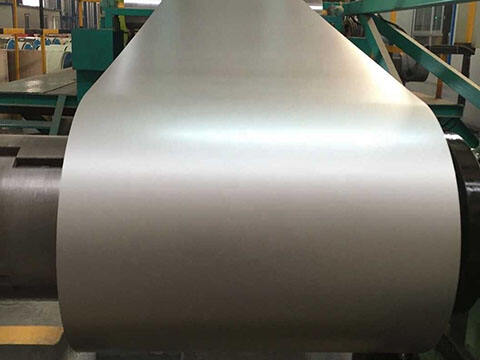
The selection of appropriate hot dipped galvanized materials requires careful evaluation of multiple technical specifications to ensure optimal performance and longevity. Understanding these critical parameters enables engineers, procurement specialists, and project managers to make informed decisions that align with their specific application requirements. The galvanization process creates a protective zinc coating that significantly enhances corrosion resistance, making these materials essential for construction, infrastructure, and industrial applications where durability is paramount.
Essential Coating Thickness Requirements
Standard Thickness Classifications
Coating thickness represents one of the most critical specifications when evaluating hot dipped galvanized materials. The thickness directly correlates with the expected service life and corrosion protection capabilities. Industry standards typically classify coating thickness into several categories, ranging from light commercial applications to heavy industrial environments. Understanding these classifications helps ensure that the selected hot dipped galvanized materials meet the specific durability requirements of each project.
The measurement of coating thickness follows established protocols using magnetic induction or eddy current testing methods. These non-destructive testing techniques provide accurate readings across the entire surface area, ensuring consistent quality throughout the material. Professional suppliers of hot dipped galvanized materials maintain strict quality control procedures to verify that coating thickness meets or exceeds specified requirements before shipment to customers.
Environmental Impact on Thickness Selection
Environmental conditions significantly influence the appropriate coating thickness for hot dipped galvanized materials in specific applications. Marine environments, industrial atmospheres with high sulfur content, and regions with frequent acid rain require substantially thicker coatings to maintain long-term protection. The correlation between environmental severity and coating thickness follows well-established guidelines that help engineers select appropriate specifications.
Temperature fluctuations also affect coating performance, with extreme thermal cycling potentially reducing the effective life of thinner coatings. Hot dipped galvanized materials intended for applications with significant temperature variations benefit from enhanced coating thickness to accommodate thermal expansion and contraction stresses without compromising the protective barrier.
Chemical Composition and Alloy Structure
Zinc Purity Standards
The chemical composition of the zinc coating plays a fundamental role in determining the performance characteristics of hot dipped galvanized materials. High-purity zinc provides superior corrosion resistance and coating adherence compared to lower-grade alternatives. Industry specifications typically require zinc purity levels of 98.5% or higher for premium applications, with trace elements carefully controlled to prevent adverse effects on coating quality.
Aluminum content in the zinc bath significantly influences the coating structure and properties of hot dipped galvanized materials. Optimal aluminum concentrations, typically ranging from 0.18% to 0.25%, promote the formation of a thin iron-aluminum alloy layer that enhances coating adhesion and durability. This intermetallic layer prevents excessive iron-zinc alloy formation that could result in brittle coatings prone to mechanical damage.
Intermetallic Layer Formation
The formation of intermetallic layers during the galvanizing process creates a metallurgical bond between the steel substrate and zinc coating. These layers, consisting of various iron-zinc alloys, provide excellent adhesion and contribute to the overall protective system. Quality hot dipped galvanized materials exhibit well-developed intermetallic layers with appropriate thickness ratios to ensure optimal performance.
Silicon content in the base steel affects intermetallic layer development, with silicon levels between 0.04% and 0.15% promoting ideal layer formation. Steel compositions outside this range may result in excessive alloy layer growth, leading to thick, brittle coatings that are susceptible to mechanical damage during handling and installation of hot dipped galvanized materials.
Surface Quality and Appearance Standards
Visual Inspection Criteria
Surface quality assessment of hot dipped galvanized materials involves comprehensive visual inspection to identify potential defects that could compromise performance or aesthetics. Acceptable surface characteristics include uniform zinc spangle patterns, smooth coating texture, and absence of significant bare spots or flux residue. The spangle size and pattern often indicate proper bath chemistry and processing conditions during the galvanizing operation.
Color variations in hot dipped galvanized materials may occur due to differences in steel chemistry, processing parameters, or cooling conditions. While these variations typically do not affect corrosion protection, they may be important for architectural applications where visual uniformity is required. Understanding acceptable color ranges helps establish appropriate quality standards for specific project requirements.
Surface Defect Evaluation
Common surface defects in hot dipped galvanized materials include flux stains, ash deposits, and mechanical damage from handling. Each defect type has specific acceptance criteria based on size, frequency, and location on the material surface. Minor cosmetic defects may be acceptable for structural applications, while architectural uses typically require higher surface quality standards.
Coating adhesion testing helps verify the integrity of the zinc coating bond to the steel substrate. Standard test methods include bend tests, impact tests, and adhesion pull-off tests that evaluate coating performance under various stress conditions. Hot dipped galvanized materials must demonstrate excellent adhesion characteristics to ensure reliable long-term performance in service environments.
Mechanical Property Considerations
Substrate Steel Properties
The mechanical properties of the underlying steel substrate significantly influence the overall performance characteristics of hot dipped galvanized materials. Tensile strength, yield strength, and elongation properties must meet specified requirements for the intended application. The galvanizing process typically has minimal impact on these mechanical properties, but proper material selection ensures compatibility between substrate and coating performance requirements.
Ductility considerations become particularly important for hot dipped galvanized materials subjected to forming operations after galvanizing. The zinc coating must accommodate the deformation without cracking or spalling, which requires careful coordination between steel grade selection and coating specifications. Cold-forming operations may require specific steel chemistries to maintain coating integrity during processing.
Coating Flexibility and Durability
Coating flexibility determines the ability of hot dipped galvanized materials to withstand mechanical stress without coating failure. This property depends on coating thickness, alloy layer development, and processing conditions during galvanizing. Flexible coatings resist cracking under bending, impact, or thermal cycling conditions commonly encountered in service environments.
Long-term durability of hot dipped galvanized materials depends on the coating's ability to maintain protective characteristics throughout the expected service life. Factors affecting durability include environmental exposure conditions, mechanical loading, and maintenance practices. Proper specification of coating parameters ensures that materials provide reliable corrosion protection for the intended design life.
Testing and Quality Assurance Protocols
Standardized Testing Methods
Comprehensive testing protocols ensure that hot dipped galvanized materials meet specified quality standards before acceptance and use. Standard test methods cover coating thickness measurement, adhesion testing, chemical composition analysis, and visual inspection procedures. These tests provide objective criteria for evaluating material quality and compliance with project specifications.
Sampling procedures for testing hot dipped galvanized materials follow established statistical methods to ensure representative evaluation of large material quantities. Random sampling protocols help identify potential quality variations across production lots, enabling early detection and correction of process deviations that could affect material performance.
Documentation and Certification Requirements
Proper documentation accompanies quality hot dipped galvanized materials to provide traceability and performance verification. Mill test certificates, coating thickness reports, and chemical analysis results create a comprehensive record of material properties and compliance with specifications. This documentation proves essential for quality assurance programs and warranty claims.
Third-party inspection services provide independent verification of hot dipped galvanized materials quality when required by project specifications or quality assurance programs. Independent testing helps ensure compliance with standards and provides additional confidence in material performance for critical applications where failure consequences are severe.
FAQ
What is the minimum coating thickness required for hot dipped galvanized materials in marine environments
Marine environments typically require coating thickness of at least 85 microns for structural hot dipped galvanized materials, with heavier thicknesses recommended for severe exposure conditions. The high chloride content in marine atmospheres accelerates zinc consumption, making adequate coating thickness essential for achieving acceptable service life. Professional evaluation of specific exposure conditions helps determine optimal thickness requirements for each application.
How does steel chemistry affect the galvanizing process and coating quality
Steel chemistry significantly influences coating formation and quality in hot dipped galvanized materials. Silicon content between 0.04% and 0.15% promotes optimal intermetallic layer development, while phosphorus levels should remain below 0.05% to prevent coating defects. Carbon content affects steel reactivity during galvanizing, with moderate carbon levels producing the most consistent coating characteristics.
What quality control measures should be implemented during material receipt and inspection
Effective quality control for hot dipped galvanized materials includes visual inspection for surface defects, coating thickness verification using magnetic measurement devices, and review of accompanying documentation. Random sampling protocols ensure representative evaluation of material lots, while proper handling procedures prevent damage during unloading and storage. Immediate inspection upon receipt allows prompt identification and resolution of any quality issues.
How do environmental conditions affect the long-term performance of galvanized coatings
Environmental conditions directly impact the service life and performance of hot dipped galvanized materials through varying rates of zinc consumption and coating degradation. Industrial atmospheres with high sulfur dioxide content accelerate coating consumption, while rural environments provide the longest service life. Temperature cycling, humidity levels, and exposure to deicing salts also influence coating performance and should be considered when specifying material requirements for specific applications.
Table of Contents
- Essential Coating Thickness Requirements
- Chemical Composition and Alloy Structure
- Surface Quality and Appearance Standards
- Mechanical Property Considerations
- Testing and Quality Assurance Protocols
-
FAQ
- What is the minimum coating thickness required for hot dipped galvanized materials in marine environments
- How does steel chemistry affect the galvanizing process and coating quality
- What quality control measures should be implemented during material receipt and inspection
- How do environmental conditions affect the long-term performance of galvanized coatings