 EN
EN
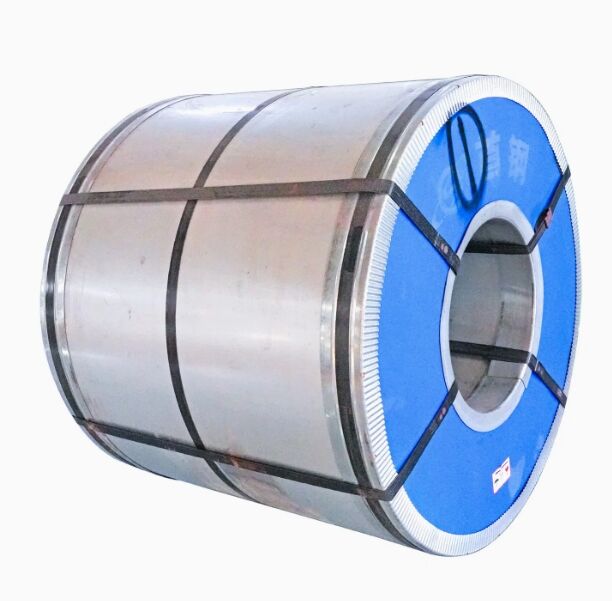
Hot dipped galvanized steel represents one of the most effective corrosion protection solutions available for demanding outdoor and marine environments. This specialized steel undergoes a comprehensive coating process where iron and steel components are immersed in molten zinc at temperatures exceeding 460 degrees Celsius, creating a metallurgical bond that provides exceptional durability. The resulting protective layer offers superior resistance against harsh environmental conditions including saltwater exposure, extreme temperatures, and atmospheric pollutants that would otherwise cause rapid deterioration of unprotected steel materials.
Understanding the Hot Dip Galvanizing Process
Metallurgical Formation and Coating Development
The hot dip galvanizing process creates a unique metallurgical bond between the base steel substrate and the protective zinc coating. During immersion in the molten zinc bath, iron from the steel surface reacts with zinc to form intermetallic alloy layers that provide exceptional adhesion and durability. These alloy layers, combined with the outer pure zinc layer, create a comprehensive protection system that cannot be achieved through simple coating applications. The resulting hot dipped galvanized steel exhibits superior mechanical properties while maintaining the structural integrity of the original steel component.
Temperature control during the galvanizing process is critical for achieving optimal coating quality and thickness. The molten zinc bath temperature typically ranges between 445 and 465 degrees Celsius, ensuring proper alloy formation without compromising the base steel properties. Quality hot dipped galvanized steel undergoes careful surface preparation including degreasing, pickling, and fluxing before immersion, ensuring maximum coating adhesion and uniform coverage across all surfaces including internal cavities and complex geometries.
Quality Standards and Coating Specifications
International standards such as ASTM A123, ISO 1461, and EN ISO 1461 establish strict requirements for hot dipped galvanized steel coating thickness, appearance, and performance characteristics. These standards ensure that galvanized components meet minimum coating thickness requirements based on steel thickness categories, with heavier sections receiving proportionally thicker zinc coatings. Coating thickness measurements are performed using magnetic or ultrasonic testing methods to verify compliance with specified requirements and ensure long-term corrosion protection performance.
Surface finish characteristics of hot dipped galvanized steel can vary depending on steel chemistry, surface condition, and galvanizing parameters. The typical spangled appearance results from zinc crystallization patterns during cooling, while smooth finishes can be achieved through specific cooling techniques or post-galvanizing treatments. Quality control procedures include visual inspection, coating thickness verification, and adhesion testing to ensure that each batch of hot dipped galvanized steel meets stringent performance requirements for demanding applications.
Marine Environment Applications and Performance
Saltwater Corrosion Resistance Mechanisms
Marine environments present unique corrosion challenges due to high chloride concentrations, constant moisture exposure, and cyclic wetting and drying conditions. Hot dipped galvanized steel provides exceptional performance in these environments through multiple protection mechanisms including barrier protection, galvanic protection, and self-healing properties. The zinc coating acts as a sacrificial anode, corroding preferentially to protect the underlying steel even when the coating is damaged or scratched, making it ideal for marine infrastructure applications.
Coastal atmospheric conditions combine salt spray, humidity, and temperature fluctuations that accelerate corrosion processes in unprotected metals. Hot dipped galvanized steel demonstrates superior longevity in these conditions, with service life expectations exceeding 50 years in many marine applications. The protective zinc patina that forms on the surface provides additional corrosion resistance while maintaining the structural integrity of marine facilities, offshore platforms, and coastal infrastructure components.
Offshore and Port Infrastructure Applications
Port facilities and offshore structures require materials capable of withstanding continuous exposure to seawater, mechanical stress, and harsh weather conditions. Hot dipped galvanized steel components including structural beams, handrails, grating, and fasteners provide reliable performance in these demanding environments. The coating's ability to protect cut edges and welded areas makes it particularly suitable for complex marine structures where traditional paint systems would fail due to mechanical damage and surface preparation challenges.
Offshore wind energy installations rely heavily on hot dipped galvanized steel for foundation structures, tower components, and support systems. The material's exceptional corrosion resistance combined with its structural strength makes it essential for renewable energy infrastructure exposed to marine conditions. Maintenance requirements are significantly reduced compared to painted alternatives, providing long-term cost advantages and improved operational reliability in offshore environments where access for maintenance is limited and expensive.
Outdoor Infrastructure and Construction Applications
Transportation and Highway Systems
Highway infrastructure components face continuous exposure to road salts, de-icing chemicals, vehicle emissions, and weather extremes throughout their service life. Hot dipped galvanized steel provides essential corrosion protection for guardrails, sign structures, lighting poles, and bridge components in these challenging environments. The material's durability reduces maintenance requirements and extends service life, making it a cost-effective solution for transportation authorities managing extensive infrastructure networks under budget constraints.
Bridge construction applications utilize hot dipped galvanized steel for structural components, reinforcement systems, and connection hardware where long-term performance is critical. The coating's ability to protect complex geometries and hard-to-reach areas makes it superior to field-applied coatings that may have coverage limitations. Transportation infrastructure incorporating hot dipped galvanized steel components demonstrates significantly reduced maintenance costs and improved service life compared to painted alternatives, particularly in harsh winter climates with extensive salt usage.
Power Transmission and Distribution Systems
Electrical transmission and distribution systems require materials capable of providing decades of reliable service in outdoor environments without compromising structural integrity or electrical performance. Hot dipped galvanized steel transmission towers, distribution poles, and substation structures provide exceptional corrosion resistance while maintaining the conductivity isolation required for electrical safety. The coating process does not affect the steel's magnetic properties, ensuring compatibility with electrical applications and grounding systems.
Utility infrastructure incorporating hot dipped galvanized steel components benefits from reduced inspection and maintenance requirements, improving system reliability and reducing operational costs. The material's performance in industrial atmospheres with elevated pollution levels makes it particularly suitable for urban and industrial electrical distribution systems. Solar panel mounting systems and wind turbine components also utilize hot dipped galvanized steel to ensure long-term structural integrity in outdoor installations subject to weather extremes and environmental stresses.
Industrial Process and Chemical Plant Applications
Chemical Processing Environment Considerations
Chemical processing facilities present unique challenges for material selection due to exposure to aggressive chemicals, elevated temperatures, and corrosive atmospheres. Hot dipped galvanized steel provides effective corrosion protection in many chemical environments, particularly those involving alkaline conditions or moderate acid exposures. The zinc coating's resistance to atmospheric corrosion makes it suitable for external piping systems, structural supports, and equipment platforms in chemical processing facilities.
Industrial atmosphere corrosivity varies significantly based on chemical emissions, humidity levels, and temperature fluctuations within processing facilities. Hot dipped galvanized steel components demonstrate superior performance compared to painted alternatives in these environments, where coating failure can lead to safety hazards and expensive maintenance shutdowns. The material's ability to provide protection even with minor coating damage ensures continued performance in industrial applications where mechanical stress and thermal cycling are common.
Petrochemical and Refinery Applications
Petrochemical facilities utilize hot dipped galvanized steel for non-process applications including structural supports, walkways, handrails, and cable trays where corrosion resistance and fire safety are paramount. The material's performance in hydrocarbon environments combined with its structural reliability makes it essential for facility infrastructure that must maintain integrity during emergency situations. Galvanized components provide essential corrosion protection while meeting industry safety standards for structural materials in potentially explosive atmospheres.
Refinery maintenance operations benefit from the durability and longevity of hot dipped galvanized steel components, reducing the frequency of replacement activities in hazardous areas. The coating's resistance to weathering and atmospheric corrosion ensures that structural elements maintain their load-bearing capacity throughout extended service periods. Emergency response infrastructure including fire water systems, escape routes, and safety equipment supports rely on hot dipped galvanized steel to provide reliable performance when needed most.
Agricultural and Rural Environment Applications
Agricultural Infrastructure and Equipment
Agricultural environments combine moisture, chemical fertilizers, animal waste products, and weather exposure that create aggressive corrosion conditions for metal components. Hot dipped galvanized steel provides essential protection for barn structures, grain storage facilities, irrigation systems, and farm equipment that must function reliably in these demanding conditions. The coating's resistance to both atmospheric corrosion and chemical exposure from agricultural products makes it indispensable for rural infrastructure applications.
Livestock facilities benefit significantly from hot dipped galvanized steel components including gates, fencing, feed systems, and structural elements that resist corrosion from animal waste and cleaning chemicals. The material's durability reduces maintenance requirements in agricultural operations where equipment downtime directly impacts productivity and profitability. Rural water systems including wells, pumps, and distribution networks utilize galvanized components to ensure long-term reliability in areas where maintenance services may be limited or expensive.
Greenhouse and Horticultural Applications
Greenhouse structures create highly corrosive internal environments due to elevated humidity, temperature fluctuations, and chemical treatments used in plant cultivation. Hot dipped galvanized steel framing systems provide essential structural integrity while resisting corrosion from condensation and chemical sprays commonly used in horticultural operations. The coating's performance in high-humidity environments makes it superior to painted alternatives that would require frequent maintenance in greenhouse conditions.
Horticultural support systems including trellises, growing benches, and irrigation frameworks utilize hot dipped galvanized steel to provide long-term reliability in challenging growing environments. The material's resistance to fertilizer chemicals and biological agents ensures continued performance throughout extended growing seasons. Nursery operations benefit from the durability and low maintenance requirements of galvanized components in outdoor growing areas subject to weather extremes and chemical treatments.
FAQ
What makes hot dipped galvanized steel superior to other corrosion protection methods for marine applications
Hot dipped galvanized steel offers superior marine corrosion protection through multiple mechanisms including barrier protection, galvanic protection, and self-healing properties that painted coatings cannot provide. The metallurgical bond between zinc and steel creates a permanent protective system that continues to protect the base steel even when the coating is damaged. In marine environments, the zinc coating sacrificially corrodes to protect the underlying steel, while paint systems rely solely on barrier protection and fail catastrophically when breached.
How long can hot dipped galvanized steel be expected to perform in outdoor environments
Hot dipped galvanized steel service life in outdoor environments typically ranges from 50 to 100 years depending on environmental conditions and coating thickness. Marine and coastal environments may see 50-75 year service life, while rural and moderate climates can expect 75-100 years or more. The coating thickness plays a crucial role in longevity, with heavier sections receiving thicker coatings that provide proportionally longer service life. Actual performance can vary based on specific environmental factors including pollution levels, humidity, temperature cycles, and mechanical stress.
Can hot dipped galvanized steel be welded and how does this affect corrosion protection
Hot dipped galvanized steel can be welded using standard welding techniques, though proper ventilation is required due to zinc fumes. Welding destroys the zinc coating in the immediate heat-affected zone, leaving the weld area vulnerable to corrosion. Protection can be restored through cold galvanizing compounds, zinc-rich paints, or thermal spray zinc applications. For critical applications, post-weld galvanizing or design modifications to minimize field welding are preferred to maintain optimal corrosion protection throughout the component's service life.
What maintenance is required for hot dipped galvanized steel in demanding environments
Hot dipped galvanized steel requires minimal maintenance in most applications, with periodic visual inspection being the primary requirement. White rust formation in constantly wet conditions can be removed through light brushing or washing, though it does not significantly affect long-term performance. Damaged areas from mechanical impact should be repaired using zinc-rich repair compounds to maintain corrosion protection. Unlike painted systems, hot dipped galvanized steel does not require regular recoating, making it extremely cost-effective for applications where access for maintenance is difficult or expensive.
Table of Contents
- Understanding the Hot Dip Galvanizing Process
- Marine Environment Applications and Performance
- Outdoor Infrastructure and Construction Applications
- Industrial Process and Chemical Plant Applications
- Agricultural and Rural Environment Applications
-
FAQ
- What makes hot dipped galvanized steel superior to other corrosion protection methods for marine applications
- How long can hot dipped galvanized steel be expected to perform in outdoor environments
- Can hot dipped galvanized steel be welded and how does this affect corrosion protection
- What maintenance is required for hot dipped galvanized steel in demanding environments