 EN
EN
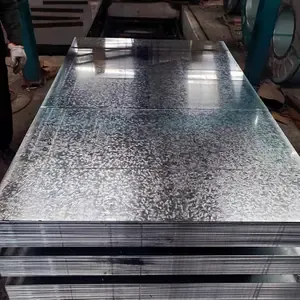
Hot dipped galvanized steel represents one of the most effective and widely-used corrosion protection methods in modern construction and manufacturing industries. This process involves immersing steel components in molten zinc at temperatures exceeding 840 degrees Fahrenheit, creating a metallurgical bond that provides exceptional long-term rust prevention. The superior protection offered by hot dipped galvanized steel stems from its unique coating characteristics and the sacrificial nature of zinc, which makes it an ideal choice for applications requiring decades of reliable performance in challenging environmental conditions.
The Science Behind Hot Dip Galvanizing Process
Metallurgical Bonding at High Temperatures
The hot dip galvanizing process creates a series of zinc-iron alloy layers through a complex metallurgical reaction. When steel is immersed in molten zinc, iron from the base material diffuses into the zinc coating while zinc penetrates the steel surface. This reaction forms multiple intermetallic layers with varying compositions, starting from pure zinc on the outer surface and transitioning to iron-rich alloys near the steel base. These layers provide graduated protection that significantly enhances the durability of hot dipped galvanized steel compared to other coating methods.
The formation of these alloy layers occurs rapidly during the galvanizing process, with each layer serving a specific protective function. The outer eta layer consists of nearly pure zinc and provides the primary barrier against atmospheric corrosion. Beneath this, the zeta and delta layers contain increasing percentages of iron, creating a strong mechanical bond with the underlying steel substrate. This multi-layer structure ensures that even if the outer coating is damaged, the underlying layers continue to provide protection, making hot dipped galvanized steel exceptionally resilient.
Chemical Composition and Protective Mechanisms
The protective mechanism of hot dipped galvanized steel operates through both barrier protection and galvanic action. The zinc coating acts as a physical barrier, preventing moisture and oxygen from reaching the steel surface. More importantly, zinc serves as a sacrificial anode, meaning it will corrode preferentially to protect the underlying steel. This electrochemical protection continues to function even when the coating is scratched or damaged, as the zinc will continue to protect exposed steel areas through cathodic protection.
The sacrificial nature of zinc in hot dipped galvanized steel makes it particularly effective in marine and industrial environments where other coatings might fail. When zinc corrodes, it forms stable zinc oxide and zinc carbonate compounds that are less voluminous than iron oxide, reducing the tendency for coating failure due to corrosion product buildup. These corrosion products also tend to be self-healing, often filling small defects in the coating and maintaining protection integrity over extended periods.
Superior Corrosion Resistance Compared to Alternative Coatings
Performance Against Environmental Factors
Hot dipped galvanized steel demonstrates superior performance across diverse environmental conditions, from rural atmospheres to harsh industrial and marine environments. The thick zinc coating, typically ranging from 45 to 85 microns depending on steel thickness, provides exceptional longevity that often exceeds 50 years in many applications. This extended service life results from the coating's ability to withstand temperature fluctuations, humidity changes, and exposure to various atmospheric contaminants without significant degradation.
In comparative studies, hot dipped galvanized steel consistently outperforms organic coatings, electroplated zinc, and even some premium coating systems in long-term exposure tests. The coating's resistance to ultraviolet radiation, thermal cycling, and mechanical damage makes it particularly suitable for outdoor applications where maintenance access is limited. Unlike paint systems that require periodic recoating, hot dipped galvanized steel maintains its protective properties throughout its design life with minimal maintenance requirements.
Resistance to Mechanical Damage
The mechanical properties of hot dipped galvanized steel coatings contribute significantly to their superior rust prevention capabilities. The metallurgical bond between the zinc coating and steel substrate creates exceptional adhesion that resists peeling, flaking, and mechanical damage during handling, transportation, and installation. This robust attachment ensures that the protective coating remains intact even under conditions that would damage other types of protective systems.
The ductility of properly applied hot dipped galvanized steel coatings allows them to deform with the underlying steel without cracking or separating. This characteristic is particularly important in structural applications where the steel may experience loading, thermal expansion, or minor deformation during service. The coating's ability to maintain integrity under these conditions ensures continuous protection and prevents the formation of corrosion initiation sites that could compromise long-term performance.
Economic Advantages and Lifecycle Benefits
Initial Cost Considerations and Long-term Value
While the initial cost of hot dipped galvanized steel may be higher than unprotected steel or some alternative coating systems, the total lifecycle cost analysis consistently demonstrates significant economic advantages. The extended service life of hot dipped galvanized steel eliminates or substantially reduces maintenance costs over the structure's design life. This is particularly valuable in applications where access for maintenance is difficult or expensive, such as transmission towers, bridges, and offshore structures.
The predictable performance characteristics of hot dipped galvanized steel allow for accurate lifecycle cost calculations and maintenance planning. Unlike organic coating systems that may require recoating every 10-20 years, properly applied hot dipped galvanized steel coatings can provide 50-100 years of protection in many environments. This extended protection period results in substantial savings when maintenance costs, equipment rental, labor, and associated business interruptions are considered over the structure's entire service life.
Maintenance Requirements and Operational Benefits
The maintenance requirements for hot dipped galvanized steel are minimal compared to other protection systems, contributing to its superior value proposition. Routine inspections are typically sufficient to monitor coating condition, and localized repairs can often be accomplished using zinc-rich paints or thermal spray techniques. The self-healing properties of zinc coatings mean that minor scratches and abrasions often do not require immediate attention, as the galvanic protection continues to function.
From an operational perspective, hot dipped galvanized steel components can be placed into service immediately after fabrication without curing time or weather restrictions that affect other coating systems. This immediate availability reduces project timelines and eliminates weather-related delays that are common with field-applied protective coatings. The ready-to-use nature of hot dipped galvanized steel components also reduces on-site quality control requirements and associated inspection costs.
Applications and Industry Standards
Structural and Infrastructure Applications
Hot dipped galvanized steel finds extensive application in structural engineering and infrastructure projects where long-term reliability is paramount. Highway guardrails, bridge components, transmission towers, and building frameworks commonly utilize hot dipped galvanized steel for its superior corrosion resistance and minimal maintenance requirements. The coating's ability to protect complex geometries and internal surfaces makes it particularly valuable for hollow structural sections and intricate fabricated assemblies.
In these critical infrastructure applications, the failure consequences of corrosion extend beyond simple replacement costs to include safety considerations and service disruptions. Hot dipped galvanized steel provides the reliability and predictable performance necessary for these demanding applications. The coating's proven track record in similar service conditions allows engineers to specify hot dipped galvanized steel with confidence in its long-term performance characteristics.
Quality Standards and Certification Requirements
The quality and performance of hot dipped galvanized steel are governed by comprehensive industry standards that ensure consistent coating properties and performance. Standards such as ASTM A123, ISO 1461, and various national specifications define minimum coating thickness, coating quality requirements, and testing procedures. These standards provide assurance that properly galvanized components will deliver expected corrosion protection performance throughout their design life.
Quality control procedures for hot dipped galvanized steel include visual inspection, coating thickness measurement, and adherence testing to verify coating integrity. The standardized nature of these quality control procedures and the well-established relationships between coating thickness and expected service life allow for confident specification and acceptance of galvanized components. This predictability is a significant advantage over other protection systems where performance may vary based on application conditions and contractor capabilities.
Environmental Impact and Sustainability
Zinc Resource Utilization and Recycling
The environmental profile of hot dipped galvanized steel benefits from zinc's excellent recyclability and the extended service life that reduces material consumption over time. Zinc used in galvanizing can be recovered and recycled at the end of the structure's service life, with recycled zinc maintaining the same protective properties as primary zinc. This circular material flow reduces the environmental impact associated with zinc mining and processing while maintaining the superior corrosion protection characteristics of hot dipped galvanized steel.
The extended service life of hot dipped galvanized steel components also contributes to environmental sustainability by reducing the frequency of replacement and associated material consumption. Structures protected with hot dipped galvanized steel may operate for 50-100 years without major maintenance, significantly reducing the cumulative environmental impact compared to systems requiring periodic recoating or replacement. This longevity factor makes hot dipped galvanized steel an environmentally responsible choice for long-term infrastructure applications.
Energy Efficiency and Carbon Footprint Considerations
While the hot dip galvanizing process requires significant energy input for heating zinc to molten temperatures, the total energy consumption over the component's service life is often lower than alternative protection systems when maintenance energy requirements are considered. The elimination of periodic recoating operations, which require surface preparation, coating application, and curing energy, results in substantial energy savings over the structure's operational life.
Modern galvanizing facilities have implemented energy efficiency measures and waste heat recovery systems that reduce the carbon footprint of the galvanizing process. Additionally, the use of recycled zinc in galvanizing operations further reduces energy consumption compared to primary zinc production. When combined with the extended service life and reduced maintenance requirements, hot dipped galvanized steel often demonstrates a favorable lifecycle carbon footprint compared to alternative corrosion protection strategies.
FAQ
How long does hot dipped galvanized steel coating typically last
The service life of hot dipped galvanized steel varies depending on environmental conditions, but typically ranges from 25-50 years in moderate environments and can exceed 100 years in dry, rural atmospheres. In marine and industrial environments, properly applied coatings generally provide 15-25 years of maintenance-free protection. The coating thickness, environmental exposure, and design factors all influence actual service life, but the predictable corrosion rates of zinc allow for accurate service life estimates.
Can damaged hot dipped galvanized steel coatings be repaired
Yes, damaged hot dipped galvanized steel coatings can be effectively repaired using zinc-rich paints, thermal spray zinc, or mechanical plating techniques. Small areas of damage often self-heal due to zinc's galvanic protection properties, while larger damaged areas can be restored to provide protection equivalent to the original coating. Proper surface preparation and repair material selection are essential for achieving durable repairs that maintain the coating's protective integrity.
What makes hot dipped galvanized steel more expensive initially but more economical long-term
The initial cost premium of hot dipped galvanized steel compared to unprotected steel typically ranges from 10-20% depending on component size and complexity. However, the extended service life and minimal maintenance requirements result in substantially lower total ownership costs. When maintenance costs, replacement expenses, and business interruption costs are factored into lifecycle analyses, hot dipped galvanized steel frequently demonstrates 30-50% cost savings compared to alternative protection methods over typical structure design lives.
Is hot dipped galvanized steel suitable for all environmental conditions
Hot dipped galvanized steel provides excellent corrosion protection across most environmental conditions, though coating thickness and expected service life vary with exposure severity. The coating performs exceptionally well in rural, suburban, and moderate industrial atmospheres, and provides good protection in marine and harsh industrial environments when appropriate coating thicknesses are specified. Very aggressive environments such as chemical processing areas may require additional protective measures or alternative coating systems depending on specific exposure conditions.