 EN
EN
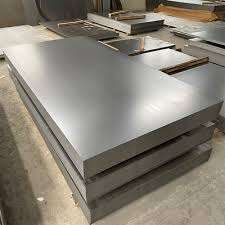
Manufacturing industries across the globe rely heavily on steel materials that offer superior strength, precision, and surface finish quality. Among the various steel processing methods available today, cold rolling stands out as a critical technique that transforms hot rolled steel into products with enhanced mechanical properties and dimensional accuracy. This advanced manufacturing process has revolutionized how engineers and designers approach structural applications, automotive components, and precision machinery parts.
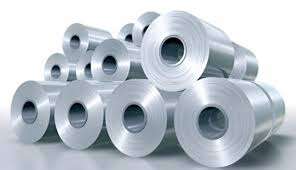
The Cold Rolling Process Fundamentals
Understanding the Temperature Differential
The fundamental distinction between hot and cold rolling lies in the temperature at which the steel is processed. While hot rolling occurs at temperatures exceeding 1000 degrees Celsius, cold rolling takes place at room temperature or slightly above. This temperature difference creates significant variations in the final product characteristics, making cold rolled steel particularly valuable for applications requiring precise dimensions and smooth surface finishes.
During the cold rolling process, steel coils or sheets are passed through a series of rollers that apply tremendous pressure to reduce thickness and improve surface quality. The absence of high temperatures means that the steel maintains its molecular structure while undergoing plastic deformation, resulting in increased strength and hardness compared to hot rolled alternatives.
Mechanical Transformation During Processing
The mechanical properties of steel undergo remarkable changes during cold rolling operations. As the material passes through successive roller sets, work hardening occurs naturally, increasing the yield strength and tensile strength of the final product. This strain hardening phenomenon makes cold rolled steel significantly stronger than its hot rolled counterpart, often achieving yield strengths that are 20-30% higher.
Additionally, the cold rolling process eliminates scale formation that typically occurs during hot rolling, resulting in cleaner, smoother surfaces that require minimal post-processing treatment. This inherent surface quality advantage makes cold rolled materials ideal for applications where appearance and precision are paramount considerations.
Superior Material Properties and Characteristics
Enhanced Dimensional Accuracy and Tolerances
One of the most significant advantages of cold rolled steel lies in its exceptional dimensional accuracy and tight tolerances. The controlled environment and precise roller adjustments during cold rolling enable manufacturers to achieve thickness variations as low as ±0.001 inches, making these materials perfect for precision engineering applications. This level of accuracy is virtually impossible to achieve through hot rolling processes.
The improved dimensional stability also extends to width and length measurements, ensuring that fabricators can rely on consistent material properties throughout their production runs. This reliability reduces waste, minimizes rework, and enhances overall manufacturing efficiency across various industrial sectors.
Surface Quality and Finish Advantages
Cold rolled steel surfaces exhibit superior smoothness and finish quality compared to hot rolled materials. The absence of mill scale and oxide formation during processing results in clean, bright surfaces that are immediately ready for painting, plating, or other finishing operations. This surface quality advantage translates into reduced preparation time and lower finishing costs for end users.
Furthermore, the consistent surface texture achieved through cold rolling provides better adhesion properties for coatings and finishes. Paint systems, galvanizing processes, and powder coating applications all benefit from the uniform surface characteristics that cold rolled materials provide, resulting in longer-lasting and more attractive finished products.
Industrial Applications and Market Sectors
Automotive Industry Applications
The automotive sector represents one of the largest consumers of cold rolled steel products globally. Body panels, chassis components, and structural reinforcements all benefit from the superior strength-to-weight ratio and excellent formability characteristics of cold rolled materials. Modern vehicle designs increasingly rely on these materials to meet stringent safety requirements while maintaining fuel efficiency standards.
Advanced high-strength cold rolled steels have enabled automotive engineers to reduce vehicle weight while improving crash protection capabilities. These materials allow for thinner gauge applications without compromising structural integrity, contributing to improved fuel economy and reduced emissions across vehicle platforms.
Construction and Structural Engineering
Building and construction industries utilize cold rolled steel for applications requiring precise dimensions and consistent mechanical properties. Structural framing members, roofing systems, and architectural elements all benefit from the enhanced strength and surface quality characteristics of cold rolled materials. The predictable properties of these materials enable engineers to optimize designs and reduce safety factors in many applications.
Commercial building projects particularly value the aesthetic advantages of cold rolled steel components. The smooth surface finish eliminates the need for extensive surface preparation before painting or coating, reducing construction timelines and labor costs while improving the final appearance of structural elements.
Manufacturing Process Optimization
Quality Control and Consistency Measures
Modern cold rolling facilities implement sophisticated quality control systems to ensure consistent product characteristics throughout production runs. Real-time monitoring of roller pressure, material thickness, and surface quality parameters enables operators to make immediate adjustments to maintain specified tolerances. These automated systems significantly reduce variability and improve overall product reliability.
Statistical process control methods are employed to track long-term trends and identify potential issues before they affect product quality. This proactive approach to quality management ensures that cold rolled steel products consistently meet or exceed customer specifications while minimizing rejection rates and associated costs.
Energy Efficiency and Environmental Considerations
Cold rolling processes generally require less energy consumption compared to hot rolling operations, as they eliminate the need for continuous reheating of steel materials. This energy efficiency advantage translates into lower production costs and reduced environmental impact, making cold rolled steel an attractive option for environmentally conscious manufacturers and end users.
Additionally, the improved surface quality of cold rolled products reduces the need for chemical cleaning and surface preparation processes, further minimizing environmental impact while reducing production time and costs. These sustainability advantages align with modern manufacturing trends toward greener production methods.
Economic Benefits and Cost Considerations
Long-term Value Proposition
While cold rolled steel typically commands a premium price compared to hot rolled alternatives, the enhanced material properties often justify the additional cost through improved performance and reduced processing requirements. The superior dimensional accuracy eliminates the need for extensive machining operations, while the enhanced surface quality reduces finishing costs and improves final product appearance.
Manufacturing efficiency gains realized through the use of cold rolled materials often offset the initial material cost premium. Reduced scrap rates, fewer quality issues, and improved production throughput contribute to lower overall manufacturing costs when all factors are considered comprehensively.
Market Trends and Future Outlook
Growing demand for high-performance materials in automotive, aerospace, and construction industries continues to drive innovation in cold rolling technology. Advanced steel grades with improved formability and strength characteristics are being developed to meet evolving market requirements, expanding the potential applications for cold rolled products.
Industry analysts project continued growth in cold rolled steel consumption, driven by lightweighting initiatives, infrastructure development, and increasing quality requirements across manufacturing sectors. This positive market outlook encourages continued investment in cold rolling capacity and technology improvements.
FAQ
What is the main difference between cold rolled and hot rolled steel
The primary difference lies in the processing temperature and resulting material properties. Cold rolled steel is processed at room temperature, resulting in higher strength, better dimensional accuracy, and superior surface finish compared to hot rolled steel, which is processed at high temperatures exceeding 1000 degrees Celsius.
Why does cold rolled steel cost more than hot rolled steel
Cold rolled steel requires additional processing steps beyond hot rolling, including pickling, cold reduction, and often annealing treatments. These extra manufacturing processes, combined with tighter quality control requirements and lower production speeds, contribute to higher production costs that are reflected in the material pricing.
Can cold rolled steel be welded effectively
Yes, cold rolled steel can be welded using standard welding techniques, though some considerations apply. The higher carbon content and work-hardened structure may require preheating for thick sections or stress relief treatments after welding to prevent cracking and maintain mechanical properties in critical applications.
What industries benefit most from using cold rolled steel
Automotive manufacturing, appliance production, construction, and precision manufacturing industries derive the greatest benefits from cold rolled steel properties. These sectors value the combination of high strength, dimensional accuracy, and superior surface finish that cold rolled materials provide for their specific applications.