 EN
EN
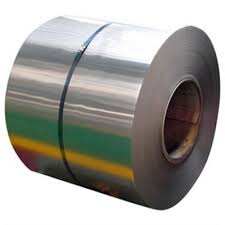
Steel manufacturing encompasses various processes, each producing materials with distinct characteristics and applications. Among these methods, cold rolled steel processing stands out as a critical technique that transforms hot rolled steel into precision-engineered products with superior surface finish and dimensional accuracy. This advanced manufacturing process involves passing steel through rollers at room temperature, creating materials that meet stringent industrial specifications across multiple sectors.
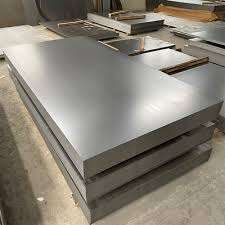
Understanding the intricacies of cold rolled steel becomes essential for procurement professionals, engineers, and manufacturers who require materials with specific mechanical properties and surface characteristics. The cold rolling process fundamentally alters the steel's microstructure, resulting in enhanced strength, improved surface quality, and tighter dimensional tolerances compared to conventional hot rolled alternatives. These properties make cold rolled products indispensable in applications where precision and aesthetic appeal are paramount.
The steel industry continues to evolve, with cold rolled products representing a significant portion of global steel consumption. Modern manufacturing facilities utilize sophisticated rolling equipment and quality control systems to produce materials that meet increasingly demanding specifications. From automotive components to construction materials, cold rolled steel serves as the foundation for countless industrial applications that require reliability and performance.
Manufacturing Process and Technology
Cold Rolling Fundamentals
The cold rolling process begins with hot rolled steel coils or sheets that undergo mechanical reduction at ambient temperatures. This room-temperature processing distinguishes cold rolled steel from its hot rolled counterpart, where material deformation occurs at elevated temperatures exceeding the recrystallization point. During cold rolling, the steel passes through a series of precision rollers that apply tremendous pressure to reduce thickness while simultaneously improving surface finish and dimensional accuracy.
Modern cold rolling mills employ sophisticated hydraulic systems and computer-controlled positioning mechanisms to maintain precise tolerances throughout the process. The reduction ratio, typically ranging from 50% to 90%, directly influences the final mechanical properties of the cold rolled product. Higher reduction ratios generally result in increased strength and hardness, though this improvement comes at the expense of ductility and formability.
Quality control during cold rolling involves continuous monitoring of thickness variation, surface roughness, and flatness parameters. Advanced measurement systems utilize laser technology and statistical process control to ensure consistent product quality. The rolling speed, typically between 100 to 2000 meters per minute depending on product specifications, must be carefully controlled to prevent surface defects and maintain uniform mechanical properties.
Equipment and Machinery
Cold rolling facilities feature specialized equipment designed to handle the unique requirements of room-temperature steel processing. Tandem mills, consisting of multiple rolling stands arranged in sequence, enable continuous processing of steel coils with minimal interruption. Each stand contains work rolls and backup rolls constructed from high-strength alloy steels capable of withstanding the tremendous forces generated during the rolling process.
Hydraulic positioning systems provide precise control over roll gap settings, allowing operators to achieve target thickness specifications within extremely tight tolerances. Modern mills incorporate automatic gauge control systems that continuously adjust roll positions based on real-time thickness measurements. These systems utilize feedback loops to compensate for variations in incoming material properties and maintain consistent output quality.
Cooling systems play a crucial role in cold rolling operations, managing heat generated by plastic deformation and friction between the rolls and steel surface. Proper temperature control prevents thermal expansion that could affect dimensional accuracy and ensures optimal surface finish quality. Advanced mills employ closed-loop cooling circuits with precise temperature regulation to maintain consistent processing conditions.
Material Properties and Characteristics
Mechanical Properties
Cold rolled steel exhibits enhanced mechanical properties compared to hot rolled alternatives due to work hardening that occurs during the room-temperature deformation process. The yield strength typically increases by 10% to 40% depending on the reduction ratio and initial material composition. This strength improvement results from increased dislocation density within the steel's crystalline structure, effectively hindering plastic deformation under applied loads.
Tensile strength values for cold rolled steel generally range from 400 to 700 MPa, significantly higher than comparable hot rolled grades. However, this strength increase comes with reduced ductility, as measured by elongation and area reduction values. The relationship between strength and ductility represents a fundamental trade-off in cold rolled steel selection, requiring careful consideration of application requirements and forming operations.
Hardness values increase proportionally with the degree of cold work, typically ranging from 150 to 300 HB depending on the base material and processing parameters. Surface hardness often exceeds core hardness due to the concentration of deformation at the steel's outer layers. This hardness gradient can influence wear resistance and fatigue performance in service applications.
Surface Quality and Finish
The surface finish of cold rolled steel represents one of its most distinguishing characteristics, typically achieving roughness values below 1.6 micrometers Ra. This superior surface quality results from the precise control possible at room temperature processing conditions and the use of highly polished work rolls. The smooth surface finish eliminates the scale formation common in hot rolling, providing a clean, oxide-free surface suitable for coating applications.
Surface defects such as scratches, roll marks, and edge waves are carefully controlled through proper mill setup and maintenance procedures. Work roll conditioning programs ensure consistent surface texture transfer, while sophisticated inspection systems detect and classify surface anomalies. The absence of thermal effects during processing enables better control over surface topography and eliminates heat-related defects.
Dimensional tolerances achievable with cold rolling significantly exceed those possible with hot rolling processes. Thickness tolerances of ±0.02mm are routinely achieved, while width and length dimensions can be controlled within similar precision levels. This dimensional accuracy reduces downstream processing requirements and enables direct use in precision applications.
Industrial Applications and Uses
Automotive Industry Applications
The automotive industry represents the largest consumer of cold rolled steel products, utilizing these materials in body panels, structural components, and interior parts. The superior surface finish and dimensional accuracy of cold rolled steel make it ideal for visible body panels that require smooth paint adhesion and aesthetic appeal. Automotive manufacturers specify cold rolled grades for doors, hoods, trunk lids, and quarter panels where surface quality directly impacts vehicle appearance.
Structural applications in automotive construction utilize the enhanced strength properties of cold rolled steel to reduce component weight while maintaining safety performance. Frame rails, reinforcement brackets, and safety cage components benefit from the improved yield strength and uniform mechanical properties. Advanced high-strength cold rolled grades enable lightweighting initiatives that improve fuel efficiency without compromising crashworthiness.
Forming operations in automotive manufacturing take advantage of cold rolled steel's controlled mechanical properties and surface condition. Deep drawing applications for fuel tanks and oil pans require the balanced strength and formability that cold rolled processing provides. The consistent material properties enable predictable forming behavior and reduce the likelihood of defects during stamping operations.
Construction and Architecture
Construction applications for cold rolled steel focus on architectural elements and precision structural components where appearance and dimensional accuracy are critical. Curtain wall systems, window frames, and decorative panels utilize cold rolled steel's superior surface finish to eliminate secondary finishing operations. The precise dimensions achievable with cold rolling enable tight-fitting assemblies and reduced construction tolerances.
Roofing and cladding systems benefit from cold rolled steel's consistent thickness and flatness, ensuring proper water sealing and thermal performance. Standing seam roofing systems require the precise edge dimensions and surface quality that cold rolling provides. The enhanced corrosion resistance achieved through proper surface preparation makes cold rolled steel suitable for exposed architectural applications.
Structural steel applications in construction utilize cold rolled sections for light-gauge framing and precision components. Metal studs, track systems, and bridging components rely on the dimensional stability and uniform properties of cold rolled steel. The predictable mechanical properties enable engineering calculations and ensure consistent structural performance across building systems.
Grade Classifications and Standards
Industry Standards and Specifications
Cold rolled steel products are classified according to various international standards that define chemical composition, mechanical properties, and quality requirements. ASTM A1008 represents the primary specification for cold rolled carbon steel sheets in North America, establishing minimum requirements for strength, ductility, and surface quality. This standard categorizes materials into commercial quality, drawing quality, and structural quality grades based on intended applications and forming requirements.
European standards, particularly EN 10130, provide equivalent specifications for cold rolled low carbon steel flat products. These standards emphasize surface quality classifications and define specific requirements for automotive and appliance applications. The harmonization of international standards facilitates global trade and ensures consistent material properties across different manufacturing regions.
Japanese Industrial Standards (JIS) G3141 specifies requirements for cold rolled carbon steel sheets, with particular emphasis on surface finish classifications and formability characteristics. Asian markets often reference JIS standards for automotive and electronics applications where precise material properties are essential. Understanding the relationship between different standard systems enables proper material selection for international projects.
Chemical Composition Requirements
The chemical composition of cold rolled steel directly influences its mechanical properties and processing characteristics. Carbon content typically ranges from 0.02% to 0.25%, with lower carbon grades providing improved formability and weldability. Manganese additions, usually between 0.25% and 1.50%, enhance strength and hardenability while maintaining good cold forming properties.
Silicon content, generally limited to 0.30% maximum, serves as a deoxidizer and contributes to strength development. Phosphorus and sulfur are typically restricted to low levels (below 0.030% each) to maintain good formability and surface quality. Residual elements such as copper, nickel, and chromium may be present from recycled content but are usually limited to prevent adverse effects on processing and properties.
Microalloying additions of niobium, titanium, or vanadium may be specified for high-strength grades to achieve enhanced mechanical properties through precipitation strengthening. These elements must be carefully controlled to maintain formability while providing the desired strength increase. Advanced analytical techniques ensure precise chemical composition control during steel production and processing.
Quality Control and Testing
Dimensional and Geometric Testing
Quality assurance for cold rolled steel begins with comprehensive dimensional verification using precision measurement equipment. Thickness measurement systems employ non-contact laser or X-ray gauging to ensure compliance with specified tolerances throughout the entire coil length. Width measurements utilize optical scanning systems that detect edge variations and maintain consistent dimensions across the product width.
Flatness testing addresses one of the most critical quality parameters for cold rolled steel, as variations can significantly impact downstream processing operations. Flatness measurement systems utilize laser scanning technology to detect and quantify shape defects such as center buckle, wavy edges, and crossbow. Statistical analysis of flatness data enables process optimization and ensures consistent product quality.
Surface inspection systems combine high-resolution cameras with advanced image processing software to detect and classify surface defects. These automated systems can identify scratches, roll marks, stains, and other surface anomalies while maintaining production speed. Defect mapping capabilities enable targeted quality improvement efforts and customer notification of specific quality issues.
Mechanical Property Verification
Tensile testing represents the primary method for verifying the mechanical properties of cold rolled steel products. Standard test specimens are prepared according to ASTM or equivalent international standards and tested using calibrated universal testing machines. Yield strength, tensile strength, and elongation values are determined and compared against specification requirements to ensure material compliance.
Hardness testing provides rapid assessment of mechanical properties and process consistency. Rockwell or Vickers hardness measurements are typically performed on sample locations across the coil width to verify uniform properties. Statistical process control charts track hardness trends and enable early detection of process variations that could affect product quality.
Forming property evaluation through standardized tests such as cup drawing, bend testing, and hole expansion provides insight into cold rolled steel's behavior during fabrication operations. These tests help predict performance in actual manufacturing processes and enable material optimization for specific applications. Correlation between laboratory test results and production performance ensures reliable material selection.
Procurement and Supplier Selection
Vendor Qualification Process
Selecting qualified suppliers for cold rolled steel requires comprehensive evaluation of manufacturing capabilities, quality systems, and technical expertise. Site audits assess production equipment condition, maintenance programs, and operator training levels to ensure consistent product quality. Quality management system certification, such as ISO 9001 or automotive-specific standards like IATF 16949, provides assurance of systematic quality control procedures.
Technical capabilities evaluation includes review of product range, dimensional tolerances achievable, and surface finish classifications offered. Laboratory testing capabilities and certification programs demonstrate a supplier's ability to verify material properties and provide reliable quality documentation. Supply chain stability and backup production capacity ensure continuity of material supply during peak demand periods.
Financial stability assessment protects against supply disruption and ensures long-term partnership viability. Credit ratings, financial statements, and market position analysis provide insight into supplier stability. Geographic proximity and transportation logistics influence total cost of ownership and delivery reliability, particularly for high-volume applications requiring frequent deliveries.
Cost Considerations and Pricing
Cold rolled steel pricing reflects the additional processing costs and enhanced properties compared to hot rolled alternatives. The cost premium typically ranges from 15% to 30% above hot rolled prices, depending on grade specifications and market conditions. Volume commitments and long-term contracts often provide pricing advantages through reduced administrative costs and production scheduling efficiency.
Raw material cost fluctuations directly impact cold rolled steel pricing, with iron ore and coking coal prices representing significant cost components. Energy costs for rolling mill operations and environmental compliance expenses also influence final product pricing. Understanding these cost drivers enables better negotiation strategies and budget planning for steel procurement programs.
Total cost of ownership considerations extend beyond initial material pricing to include transportation, handling, and processing costs. The superior dimensional accuracy and surface quality of cold rolled steel may eliminate secondary processing operations, providing overall cost savings despite higher initial material costs. Value engineering analysis helps quantify these total cost benefits.
FAQ
What is the main difference between cold rolled and hot rolled steel
The fundamental difference lies in the processing temperature during the rolling operation. Cold rolled steel is processed at room temperature after initial hot rolling, while hot rolled steel is shaped at temperatures above 1000°C. This temperature difference results in cold rolled steel having superior surface finish, tighter dimensional tolerances, and higher strength properties due to work hardening. However, cold rolled steel typically costs more and has reduced ductility compared to hot rolled alternatives.
How does cold rolling affect steel strength and formability
Cold rolling increases steel strength through work hardening, typically improving yield strength by 10-40% compared to the original hot rolled material. This strength increase occurs due to increased dislocation density in the steel's crystal structure. However, this strength gain comes with reduced formability, as the material becomes less ductile and more prone to cracking during severe forming operations. The balance between strength and formability must be carefully considered when selecting cold rolled grades for specific applications.
What surface finish quality can be achieved with cold rolled steel
Cold rolled steel achieves excellent surface finish quality, typically with roughness values below 1.6 micrometers Ra. The process eliminates the scale formation common in hot rolling and provides a clean, smooth surface suitable for painting or coating without additional preparation. Various surface finishes can be specified, from bright annealed to specific textures, depending on application requirements. This superior surface quality makes cold rolled steel ideal for visible applications and reduces downstream finishing costs.
Which industries commonly use cold rolled steel products
The automotive industry represents the largest consumer of cold rolled steel, using it for body panels, structural components, and interior parts where surface quality and dimensional accuracy are critical. Construction and architecture utilize cold rolled products for curtain walls, roofing systems, and decorative elements. Other major applications include appliances, furniture, electrical enclosures, and precision components where tight tolerances and smooth surfaces are required. The electronics industry also uses thin cold rolled steel for housings and electromagnetic shielding applications.