 EN
EN
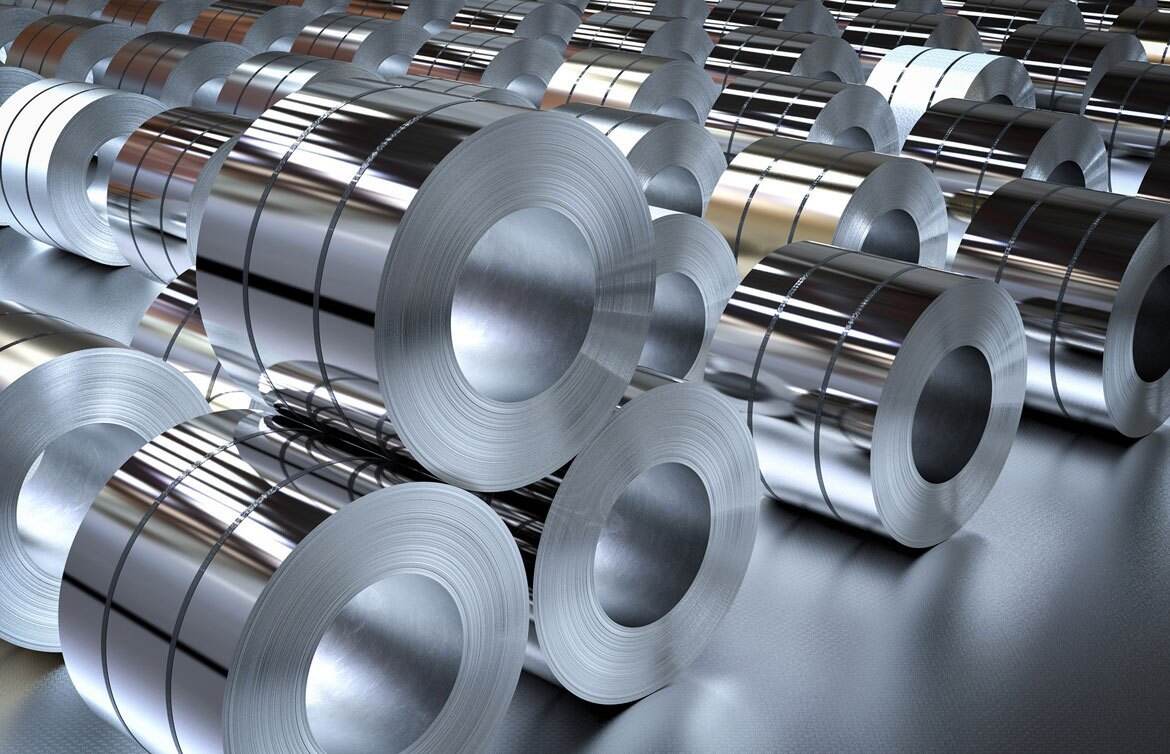
Steel manufacturing encompasses various processes and grades designed to meet specific industrial applications. Among the most commonly used steel types in manufacturing and construction are SPCC and conventional cold rolled steel, each offering distinct characteristics that determine their suitability for different projects. Understanding the fundamental differences between these materials helps engineers, manufacturers, and procurement professionals make informed decisions that directly impact product quality, cost-effectiveness, and manufacturing efficiency. The selection between these steel variants often determines the success of fabrication projects, structural integrity, and long-term performance in demanding industrial environments.
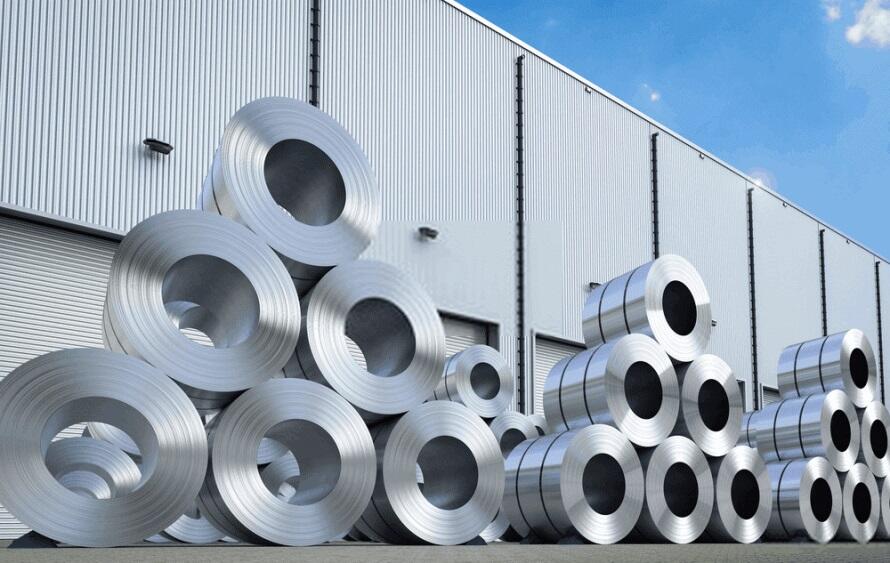
Understanding SPCC Steel Composition and Properties
Chemical Composition and Grade Standards
SPCC represents Steel Plate Cold Commercial, a designation that defines specific chemical and mechanical properties according to Japanese Industrial Standards. This steel grade contains carefully controlled carbon content, typically ranging from 0.12% to 0.15%, along with manganese levels between 0.25% and 0.50%. The phosphorus and sulfur content remain strictly limited to ensure optimal formability and surface quality. These precise chemical compositions contribute to the steel's excellent deep drawing capabilities and consistent mechanical properties across different production batches.
The standardized composition of SPCC ensures predictable behavior during forming operations, making it particularly valuable for automotive components, appliance manufacturing, and precision metalworking applications. The controlled chemistry also facilitates consistent heat treatment responses and welding characteristics, which are crucial for maintaining quality standards in mass production environments. Manufacturing facilities rely on these consistent properties to optimize their production processes and minimize material waste during fabrication operations.
Mechanical Properties and Performance Characteristics
SPCC exhibits exceptional formability characteristics, with yield strength typically ranging from 195 to 245 MPa and ultimate tensile strength between 270 and 330 MPa. The elongation properties often exceed 35%, providing excellent ductility for complex forming operations. These mechanical properties make SPCC particularly suitable for deep drawing applications, stamping operations, and intricate shaping processes that require significant material deformation without cracking or failure.
The surface finish of SPCC steel demonstrates superior quality compared to standard cold rolled grades, featuring minimal surface defects and consistent texture that enhances subsequent coating operations. The steel's hardness characteristics remain within optimal ranges for machining operations while maintaining sufficient strength for structural applications. These balanced mechanical properties enable manufacturers to achieve tight tolerances and complex geometries while ensuring adequate structural integrity in finished components.
Cold Rolled Steel Fundamentals
Manufacturing Process and Characteristics
Cold rolled steel undergoes processing at temperatures below the recrystallization point, typically at room temperature, resulting in increased strength and improved surface finish compared to hot rolled alternatives. The cold rolling process involves passing steel through a series of rollers under tremendous pressure, which reduces thickness while simultaneously work-hardening the material. This process creates a denser grain structure and eliminates many surface imperfections, producing steel with superior dimensional accuracy and surface quality.
The controlled rolling environment allows manufacturers to achieve precise thickness tolerances, often within ±0.001 inches, making cold rolled steel ideal for applications requiring exact specifications. The process also imparts directional properties to the steel, with strength characteristics varying between the rolling direction and perpendicular orientation. Understanding these directional properties becomes crucial when designing components that must withstand specific loading conditions or stress patterns during service life.
Grade Variations and Applications
Cold rolled steel encompasses numerous grade classifications, including commercial quality, drawing quality, and deep drawing quality variants. Each grade offers different levels of formability, strength, and surface finish characteristics designed to meet specific application requirements. Commercial quality grades provide adequate formability for basic stamping operations, while deep drawing quality grades offer enhanced ductility for complex forming processes similar to spcc capabilities.
The versatility of cold rolled steel makes it suitable for diverse applications ranging from automotive body panels and appliance components to structural elements and precision machinery parts. The material's consistent properties and predictable behavior during fabrication operations have established it as a standard choice for manufacturers seeking reliable performance at competitive costs. Different grade selections allow engineers to optimize material properties for specific applications while maintaining cost-effectiveness in production environments.
Comparative Analysis of Key Differences
Formability and Processing Characteristics
The formability differences between SPCC and standard cold rolled steel become apparent during complex forming operations, where SPCC consistently demonstrates superior deep drawing capabilities and reduced tendency toward cracking or tearing. This enhanced formability results from the carefully controlled chemical composition and processing parameters that optimize grain structure and mechanical properties specifically for demanding forming applications. Manufacturers often observe reduced tool wear and improved part consistency when using SPCC for intricate stamping and drawing operations.
Processing characteristics also differ in terms of spring-back behavior, where SPCC typically exhibits more predictable and manageable spring-back properties compared to conventional cold rolled grades. This characteristic enables more accurate die design and reduces the need for secondary forming operations or complex compensation strategies. The consistent processing behavior of SPCC contributes to improved production efficiency and reduced scrap rates in high-volume manufacturing environments.
Surface Quality and Finish Standards
Surface quality represents a significant differentiator between SPCC and standard cold rolled steel, with SPCC maintaining stricter surface finish requirements and tighter control over surface defects. The superior surface characteristics of SPCC result from enhanced process controls during manufacturing, including improved roll maintenance, better lubrication systems, and more stringent quality inspection protocols. These factors contribute to surfaces that require minimal preparation before coating or finishing operations.
The improved surface finish of SPCC directly translates to better paint adhesion, reduced pre-treatment requirements, and enhanced aesthetic appearance in finished products. Manufacturers working with visible components or high-quality finishing requirements often specify SPCC to ensure consistent surface characteristics that meet demanding appearance standards. The reduced surface preparation time and improved coating performance often justify the premium cost associated with SPCC selection over standard cold rolled alternatives.
Industrial Applications and Selection Criteria
Automotive Industry Applications
The automotive industry represents one of the largest consumers of both SPCC and cold rolled steel, with specific applications determined by component requirements and manufacturing constraints. SPCC finds extensive use in body panels, door skins, and interior components where superior formability and surface quality directly impact both manufacturing efficiency and aesthetic appeal. The material's exceptional deep drawing capabilities enable the production of complex automotive shapes with minimal tooling complexity and reduced manufacturing steps.
Cold rolled steel serves broader automotive applications including structural components, frame elements, and reinforcement parts where strength characteristics take precedence over extreme formability requirements. The cost-effectiveness of standard cold rolled grades makes them suitable for high-volume production of components with moderate forming requirements. Selection between these materials often depends on balancing performance requirements against cost considerations and production volume projections.
Appliance and Consumer Electronics
Appliance manufacturers frequently utilize SPCC for visible components and complex formed parts where surface quality and formability are critical success factors. Refrigerator doors, washing machine panels, and decorative elements benefit from the superior surface characteristics and forming capabilities that SPCC provides. The material's consistent properties enable manufacturers to maintain tight quality standards while achieving the complex geometries required for modern appliance designs.
Consumer electronics applications often demand the precision and surface quality characteristics inherent in SPCC, particularly for components requiring subsequent plating, coating, or finishing operations. The material's predictable behavior during micro-forming operations and excellent surface preparation characteristics make it ideal for small, precision components where quality standards are exceptionally demanding. Standard cold rolled steel serves applications where cost optimization is prioritized over premium surface characteristics or extreme formability requirements.
Cost Considerations and Economic Factors
Material Cost Analysis
The cost differential between SPCC and standard cold rolled steel reflects the additional processing controls, quality standards, and material specifications required to achieve superior performance characteristics. SPCC typically commands a premium of 10-15% over comparable cold rolled grades, justified by enhanced formability, superior surface quality, and more consistent mechanical properties. This premium must be evaluated against potential savings in processing costs, reduced scrap rates, and improved production efficiency.
Total cost analysis should include consideration of downstream processing requirements, where SPCC's superior characteristics may reduce secondary operations, minimize surface preparation requirements, and improve coating performance. These factors can offset the initial material cost premium through improved manufacturing efficiency and reduced total production costs. Long-term cost benefits often become apparent in high-volume production environments where small improvements in yield and quality compound into significant economic advantages.
Processing Cost Implications
Processing cost differences between SPCC and cold rolled steel extend beyond initial material costs to include tooling wear, maintenance requirements, and production efficiency factors. The superior formability of SPCC often results in reduced tool wear, extended die life, and fewer production interruptions for maintenance and adjustment. These factors contribute to improved overall equipment effectiveness and reduced manufacturing costs per unit produced.
Quality-related costs also differ significantly between these materials, with SPCC typically generating lower scrap rates, reduced rework requirements, and improved first-pass yield in forming operations. The consistent properties and predictable behavior of SPCC enable manufacturers to optimize production parameters and maintain stable production rates. These operational advantages often justify material cost premiums through improved productivity and reduced quality-related expenses.
FAQ
What is the primary difference between SPCC and cold rolled steel
The primary difference lies in the specific grade standards and chemical composition control, where SPCC represents a premium cold rolled steel grade with enhanced formability, superior surface quality, and more consistent mechanical properties. SPCC adheres to stricter Japanese Industrial Standards that ensure optimal performance for demanding forming applications, while standard cold rolled steel encompasses broader grade ranges with varying quality levels and performance characteristics.
When should manufacturers choose SPCC over standard cold rolled steel
Manufacturers should select SPCC when applications require superior formability, exceptional surface quality, or consistent mechanical properties that justify the material cost premium. Complex forming operations, visible components requiring high-quality finishes, and high-volume production environments where consistency and reduced scrap rates are critical typically benefit from SPCC selection over standard alternatives.
How do the mechanical properties compare between these materials
SPCC typically offers better formability with higher elongation values and more predictable yield behavior compared to standard cold rolled steel grades. While basic strength characteristics may be similar, SPCC provides superior ductility, reduced directional variation in properties, and more consistent performance across different production batches, making it preferable for applications requiring reliable mechanical behavior.
Are there specific industries that prefer one material over the other
The automotive industry, appliance manufacturers, and electronics producers frequently prefer SPCC for visible components and complex formed parts due to its superior surface quality and formability characteristics. Construction and general fabrication industries often utilize standard cold rolled steel for structural applications where cost-effectiveness is prioritized over premium forming capabilities and surface characteristics.