 EN
EN
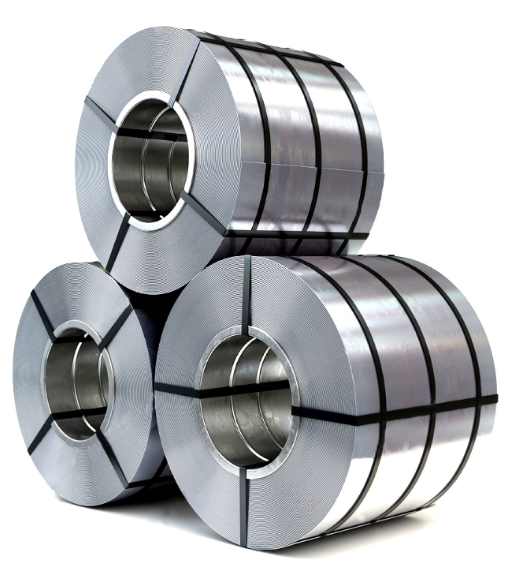
SPCC steel represents one of the most versatile and widely utilized materials in modern manufacturing and construction industries. This cold-rolled carbon steel grade offers exceptional formability, weldability, and surface finish characteristics that make it indispensable for numerous applications across automotive, appliance, and structural sectors. Understanding the comprehensive properties and applications of SPCC steel enables manufacturers and engineers to make informed decisions when selecting materials for their specific projects and requirements.
The designation SPCC originates from Japanese Industrial Standards, where it stands for Steel Plate Cold Commercial. This classification system has gained international recognition due to the superior quality and consistency of Japanese steel production methods. SPCC steel undergoes precise cold-rolling processes that enhance its mechanical properties while maintaining excellent surface quality suitable for various finishing operations and direct applications.
Chemical Composition and Material Properties
Carbon Content and Alloying Elements
SPCC steel features a carefully controlled chemical composition that typically contains carbon levels ranging from 0.12% to 0.25% by weight. This moderate carbon content provides an optimal balance between strength and formability, allowing the material to maintain excellent ductility while offering sufficient structural integrity for demanding applications. The low carbon content also contributes to superior weldability characteristics that make SPCC steel ideal for fabrication processes.
Manganese content in SPCC steel typically ranges from 0.25% to 0.60%, serving as a deoxidizing agent and contributing to the overall strength and hardenability of the material. Silicon content usually falls between 0.10% and 0.30%, acting as a deoxidizer and improving the steel's resistance to oxidation during processing. Phosphorus and sulfur levels are kept deliberately low, typically below 0.04% and 0.05% respectively, to ensure optimal weldability and formability characteristics.
Mechanical Properties and Performance Characteristics
The mechanical properties of SPCC steel make it exceptionally suitable for applications requiring excellent formability and moderate strength. Tensile strength typically ranges from 270 to 370 MPa, while yield strength falls between 165 to 245 MPa, depending on the specific thickness and processing conditions. These strength levels provide adequate structural performance for most commercial and industrial applications while maintaining excellent workability.
Elongation values for SPCC steel typically exceed 30%, demonstrating exceptional ductility that enables complex forming operations without cracking or failure. This high elongation capability makes SPCC steel particularly valuable for deep drawing operations, stamping processes, and other forming techniques commonly used in automotive and appliance manufacturing. The material also exhibits excellent bend formability with tight radius capabilities that expand design possibilities for engineers and manufacturers.
Manufacturing Processes and Production Methods
Cold Rolling Procedures
The production of SPCC steel involves sophisticated cold-rolling processes that significantly enhance the material's surface quality and dimensional accuracy. Hot-rolled steel coils serve as the starting material, which undergoes pickling to remove surface oxides before entering the cold-rolling mill. The cold-rolling process reduces thickness while improving surface finish and dimensional tolerances to meet stringent quality requirements.
Multiple rolling passes through precision-controlled mills achieve the desired thickness reduction while work-hardening the steel to specific strength levels. The cold-rolling process also imparts improved surface texture and flatness characteristics that eliminate the need for additional surface preparation in many applications. Temperature control throughout the rolling process ensures consistent mechanical properties and prevents unwanted microstructural changes that could affect performance.
Heat Treatment and Finishing Operations
Following cold-rolling operations, spcc steel undergoes controlled annealing processes to optimize its mechanical properties for specific applications. The annealing treatment involves heating the steel to approximately 650-700°C and maintaining this temperature for a predetermined duration to relieve internal stresses and restore ductility. Controlled cooling rates ensure optimal microstructural development and mechanical property balance.
Surface finishing operations may include skin-passing or temper rolling to achieve specific surface textures and mechanical properties. These final processing steps allow manufacturers to tailor the material characteristics to meet exact customer specifications while maintaining consistent quality standards. Quality control measures throughout the production process ensure that finished SPCC steel meets all dimensional, mechanical, and surface quality requirements.
Industrial Applications and Use Cases
Automotive Industry Applications
The automotive industry represents one of the largest consumers of SPCC steel due to its excellent formability and weldability characteristics. Body panels, including doors, hoods, trunk lids, and fenders, frequently utilize SPCC steel for its ability to achieve complex shapes while maintaining structural integrity. The material's excellent surface finish quality makes it ideal for applications where paint adhesion and appearance quality are critical considerations.
Interior automotive components such as seat frames, dashboard supports, and trim pieces benefit from SPCC steel's formability and consistency. The material's ability to undergo deep drawing operations enables the production of complex three-dimensional shapes required for modern automotive designs. Additionally, SPCC steel's weldability characteristics facilitate efficient assembly processes and contribute to overall vehicle structural integrity.
Appliance and Consumer Goods Manufacturing
Home appliance manufacturers extensively utilize SPCC steel for exterior panels, internal components, and structural elements due to its excellent surface quality and formability. Refrigerator doors, washing machine tops, and dishwasher panels commonly feature SPCC steel construction for its ability to achieve smooth surfaces suitable for various coating and finishing processes. The material's consistency and quality contribute to the aesthetic appeal and durability of finished appliances.
Kitchen equipment and small appliances benefit from SPCC steel's hygienic properties and ease of cleaning, making it suitable for food-contact applications when properly finished. The material's resistance to denting and excellent formability enable the creation of complex shapes required for modern appliance designs while maintaining cost-effectiveness in high-volume production environments.
Surface Treatments and Coating Compatibility
Painting and Powder Coating Applications
SPCC steel's superior surface quality makes it an excellent substrate for various painting and powder coating systems. The smooth, clean surface finish achieved through cold-rolling processes provides optimal adhesion characteristics for both liquid and powder coating applications. Minimal surface preparation requirements reduce processing costs while ensuring consistent coating performance across large production volumes.
Electrocoating processes work exceptionally well with SPCC steel due to its uniform surface composition and excellent electrical conductivity. The material's low surface roughness contributes to smooth, even coating thickness distribution that enhances both appearance quality and corrosion protection performance. Pre-treatment processes such as phosphating can further enhance coating adhesion and durability for demanding service environments.
Galvanizing and Metallic Coating Options
Hot-dip galvanizing represents a popular coating option for SPCC steel applications requiring enhanced corrosion resistance. The steel's chemical composition and surface quality ensure excellent zinc coating adhesion and uniform coverage that provides long-term protection in outdoor and corrosive environments. Galvanized SPCC steel finds extensive use in construction, agricultural, and industrial applications where durability is paramount.
Electrogalvanizing processes offer precise coating thickness control and excellent surface appearance for applications requiring thinner zinc coatings. The smooth surface of SPCC steel enables uniform current distribution during electrogalvanizing, resulting in consistent coating quality and appearance. Alternative metallic coatings such as tin, chromium, or aluminum can also be successfully applied to SPCC steel for specialized applications requiring specific performance characteristics.
Quality Standards and Specifications
International Standards Compliance
SPCC steel production adheres to rigorous international quality standards that ensure consistent material properties and performance characteristics. Japanese Industrial Standards JIS G3141 provides the primary specification framework for SPCC steel, defining chemical composition limits, mechanical property requirements, and dimensional tolerances. These standards have gained international acceptance due to their comprehensive scope and stringent quality requirements.
Equivalent standards exist in other international systems, including ASTM specifications in North America and EN standards in Europe, facilitating global trade and application consistency. These standards specify testing procedures, sampling methods, and acceptance criteria that ensure material quality and performance reliability. Compliance with these standards provides manufacturers and end-users with confidence in material consistency and performance predictability.
Quality Control and Testing Procedures
Comprehensive quality control programs throughout the SPCC steel production process ensure consistent material properties and dimensional accuracy. Chemical analysis using advanced spectroscopic techniques verifies composition compliance with specification requirements. Mechanical property testing includes tensile testing, bend testing, and hardness measurements to confirm material performance characteristics.
Dimensional inspection procedures verify thickness tolerances, flatness, and surface quality parameters using precision measurement equipment. Surface inspection techniques detect and eliminate any defects that could affect material performance or appearance quality. Statistical process control methods monitor production parameters and material properties to maintain consistent quality levels and identify potential issues before they affect product quality.
Advantages and Design Considerations
Economic Benefits and Cost Effectiveness
SPCC steel offers exceptional value in terms of material cost, processing efficiency, and performance characteristics. The material's excellent formability reduces manufacturing complexity and tooling requirements while minimizing material waste during forming operations. Its consistent quality and dimensional accuracy reduce quality-related costs and improve production efficiency in high-volume manufacturing environments.
The widespread availability of SPCC steel from multiple suppliers ensures competitive pricing and reliable supply chain support for manufacturers worldwide. Standardized specifications facilitate sourcing from alternative suppliers when necessary, providing supply chain flexibility and risk mitigation. The material's proven performance record reduces development time and costs for new product applications while providing design engineers with confidence in material reliability.
Design Flexibility and Engineering Advantages
Engineers appreciate SPCC steel's predictable behavior during forming operations, enabling complex part geometries and tight tolerances without excessive development time or tooling modifications. The material's excellent weldability facilitates assembly operations and allows for efficient joining methods that reduce production costs. Its compatibility with various surface treatments provides design flexibility for appearance and performance requirements.
The consistent mechanical properties of SPCC steel enable accurate stress analysis and structural calculations during the design phase. Its moderate strength levels provide adequate performance for most applications while maintaining excellent workability characteristics. The material's proven track record in diverse applications provides engineers with extensive performance data and application examples to guide design decisions and material selection processes.
FAQ
What is the difference between SPCC and SPCD steel grades
SPCC and SPCD represent different grades within the Japanese Industrial Standards cold-rolled steel classification system. SPCC steel features moderate carbon content and balanced mechanical properties suitable for general forming applications, while SPCD steel contains lower carbon content specifically optimized for deep drawing operations. SPCD typically offers superior ductility and formability characteristics compared to SPCC, making it ideal for applications requiring extensive deformation during forming processes.
Can SPCC steel be welded using standard welding techniques
Yes, SPCC steel exhibits excellent weldability characteristics that make it compatible with most standard welding techniques including gas metal arc welding, gas tungsten arc welding, and resistance welding methods. The low carbon content and controlled chemical composition minimize the risk of weld cracking and ensure good fusion characteristics. Proper welding procedures and parameters should be followed to achieve optimal weld quality and maintain the material's mechanical properties in the heat-affected zone.
What surface treatments are recommended for outdoor SPCC steel applications
For outdoor applications, SPCC steel requires protective surface treatments to prevent corrosion and maintain appearance quality. Hot-dip galvanizing provides excellent long-term corrosion protection for structural applications, while high-quality paint systems or powder coatings offer both protection and aesthetic appeal for architectural applications. Pre-treatment processes such as phosphating or chromating enhance coating adhesion and improve overall system durability in demanding outdoor environments.
How does SPCC steel compare to other cold-rolled steel grades in terms of cost
SPCC steel typically offers competitive pricing compared to other cold-rolled steel grades due to its standardized composition and widespread production availability. While specialized grades with enhanced properties may command premium pricing, SPCC provides an excellent balance of performance characteristics and cost-effectiveness for general applications. The material's consistent quality and reliable supply chain contribute to stable pricing and reduced total cost of ownership for manufacturers and end-users.