 EN
EN
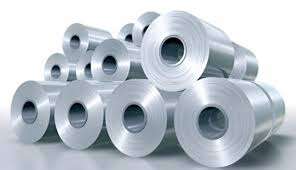
The global steel industry continues to evolve rapidly as we enter 2025, with cold rolled steel emerging as a critical component driving manufacturing excellence across numerous sectors. Market analysts predict unprecedented growth in demand for cold rolled steel products, particularly as industries seek materials offering superior surface quality, dimensional accuracy, and enhanced mechanical properties. Understanding current market dynamics and emerging trends becomes essential for manufacturers, suppliers, and end-users navigating this competitive landscape.
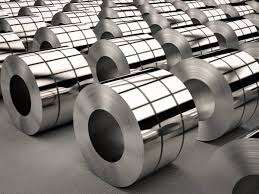
Market Size and Growth Projections
Current Market Valuation
The cold rolled steel market has demonstrated remarkable resilience and growth potential, reaching an estimated valuation of $180 billion in 2024. Industry experts project steady expansion driven by increasing demand from automotive, construction, and appliance manufacturing sectors. Regional analysis reveals Asia-Pacific markets leading consumption patterns, accounting for approximately 65% of global cold rolled steel production and consumption.
Manufacturing facilities worldwide continue investing in advanced cold rolling technologies to meet stringent quality requirements. The market benefits from ongoing infrastructure development projects, particularly in emerging economies where urbanization drives construction activity. Premium grade cold rolled products command higher margins, encouraging producers to enhance their technological capabilities and product portfolios.
Future Growth Trajectory
Forecasting models indicate the cold rolled steel market will experience compound annual growth rates between 4.2% and 5.8% through 2030. Electric vehicle production represents a significant growth driver, as manufacturers require high-quality cold rolled steel for battery enclosures, structural components, and body panels. Advanced high-strength steel grades continue gaining popularity among automotive engineers seeking weight reduction without compromising safety performance.
Sustainability initiatives influence market dynamics as steel producers adopt cleaner production methods and develop recyclable products. Government regulations promoting energy efficiency in construction and transportation sectors create additional demand for specialized cold rolled steel applications. Market consolidation trends suggest larger producers will acquire smaller operations to achieve economies of scale and expand geographic reach.
Key Industry Applications
Automotive Sector Dominance
Automotive applications account for the largest segment of cold rolled steel consumption, representing approximately 40% of total market demand. Modern vehicle designs require materials offering exceptional formability, surface finish quality, and corrosion resistance properties. Cold rolled steel products enable manufacturers to achieve complex geometries while maintaining structural integrity and aesthetic appeal required for contemporary automotive designs.
Electric vehicle production drives innovation in cold rolled steel grades, particularly for battery protection systems and lightweight structural components. Automakers increasingly specify advanced high-strength steel variants that undergo cold rolling processes to achieve optimal mechanical properties. The shift toward electric mobility creates new opportunities for specialized cold rolled products designed for electromagnetic shielding and thermal management applications.
Construction and Infrastructure
Construction industry applications demonstrate steady growth as architects and engineers recognize the benefits of cold rolled steel in modern building designs. Structural applications include framing systems, roofing materials, and facade components where dimensional accuracy and surface quality prove essential. Cold rolled steel enables precise fabrication tolerances required for modular construction methods gaining popularity in residential and commercial projects.
Infrastructure development projects worldwide create substantial demand for cold rolled steel products in bridge construction, transportation systems, and utility installations. The material's superior surface characteristics reduce maintenance requirements and extend service life in challenging environmental conditions. Green building certification programs favor cold rolled steel due to its recyclability and energy-efficient production methods available through modern manufacturing facilities.
Manufacturing Technology Advances
Process Innovation
Cold rolling technology continues advancing through digitalization, automation, and artificial intelligence integration in production processes. Modern cold rolling mills incorporate sophisticated control systems that optimize strip thickness, surface roughness, and mechanical properties throughout the production cycle. Real-time monitoring capabilities enable immediate adjustments maintaining consistent product quality while minimizing material waste and energy consumption.
Advanced lubrication systems and work roll technologies enhance surface finish quality while extending equipment service life. Manufacturers invest in continuous annealing lines that precisely control material properties through temperature and atmosphere management. These technological improvements enable production of specialized cold rolled grades meeting increasingly demanding application requirements across diverse industrial sectors.
Quality Enhancement Systems
Quality control systems employ advanced inspection technologies including laser measurement, ultrasonic testing, and computer vision systems ensuring consistent product specifications. Statistical process control methodologies help manufacturers maintain tight dimensional tolerances and surface quality standards demanded by premium applications. Traceability systems enable complete documentation of production parameters for each cold rolled steel coil throughout the manufacturing process.
Laboratory testing capabilities continue expanding to support development of new cold rolled steel grades with enhanced properties. Metallurgical analysis, mechanical testing, and corrosion evaluation provide comprehensive characterization of material performance under various service conditions. These quality systems enable certification compliance with international standards essential for global market participation and customer acceptance.
Regional Market Analysis
Asia-Pacific Leadership
Asia-Pacific regions maintain dominant positions in cold rolled steel production and consumption, driven by robust manufacturing sectors and infrastructure development activities. China leads global production capacity with state-of-the-art cold rolling facilities serving domestic and export markets. India experiences rapid growth in cold rolled steel demand supporting automotive expansion and construction boom in urban centers.
Southeast Asian countries attract cold rolled steel investments as manufacturers establish regional production hubs serving local markets. Japan and South Korea contribute advanced technology and high-quality specialty products targeting premium applications. Trade relationships within the region facilitate material flow and technology transfer supporting overall market development.
North American Recovery
North American cold rolled steel markets demonstrate recovery momentum following recent economic challenges and trade policy adjustments. United States manufacturers focus on high-value applications including automotive, appliance, and energy sectors requiring specialized material properties. Mexican production facilities serve growing automotive assembly operations while contributing to regional supply chain integration.
Canadian cold rolled steel production supports resource extraction industries and construction sectors experiencing renewed growth. Environmental regulations drive adoption of cleaner production technologies and energy-efficient manufacturing processes. Regional trade agreements facilitate cross-border material flow while protecting domestic production capabilities through balanced import policies.
Supply Chain Dynamics
Raw Material Considerations
Cold rolled steel production depends heavily on hot rolled steel feedstock availability and pricing trends affecting overall manufacturing costs. Iron ore and coking coal price volatility impacts production economics, influencing strategic sourcing decisions and inventory management practices. Steel producers develop long-term supply agreements ensuring raw material security while managing price risk through various hedging strategies.
Scrap steel utilization increases as producers seek cost advantages and environmental benefits from recycled material incorporation. Electric arc furnace technology enables flexible raw material strategies combining virgin and recycled inputs optimizing economic and environmental performance. Supply chain resilience becomes critical as geopolitical factors influence international material movements and pricing structures.
Logistics and Distribution
Cold rolled steel distribution networks evolve to support just-in-time manufacturing requirements while managing inventory costs and service level commitments. Regional service centers provide processing capabilities including slitting, blanking, and forming operations adding value for end-user customers. Transportation optimization reduces logistics costs while ensuring material quality protection throughout the distribution process.
Digital platforms enhance supply chain visibility enabling better demand forecasting, inventory optimization, and customer service delivery. Warehouse automation increases handling efficiency while reducing damage risk for cold rolled steel products requiring careful handling. Strategic partnerships between producers and distributors create competitive advantages through improved market coverage and customer responsiveness.
Sustainability and Environmental Impact
Carbon Footprint Reduction
Environmental sustainability becomes increasingly important in cold rolled steel production as companies commit to carbon neutrality goals and implement cleaner technologies. Energy recovery systems capture waste heat from cold rolling operations reducing overall facility energy consumption. Advanced process control minimizes material waste while optimizing yield rates contributing to environmental performance improvement.
Renewable energy integration supports decarbonization efforts as steel producers seek alternatives to fossil fuel dependence. Life cycle assessment methodologies guide decision-making processes evaluating environmental impact across entire product lifecycles. Industry collaboration develops best practices sharing technological solutions supporting collective environmental improvement goals.
Circular Economy Initiatives
Cold rolled steel recycling rates exceed 90% demonstrating strong circular economy performance enabling material recovery and reuse in new production cycles. Design for recyclability principles influence product development ensuring end-of-life material recovery optimization. Closed-loop supply chains minimize waste generation while maximizing resource utilization efficiency throughout manufacturing processes.
Partnership programs connect steel producers with recycling organizations facilitating efficient material recovery from various application sectors. Traceability systems track material composition enabling proper sorting and processing for optimal recycling outcomes. These initiatives support sustainability goals while providing economic benefits through reduced raw material costs and waste disposal requirements.
FAQ
What factors drive cold rolled steel pricing in 2025
Cold rolled steel pricing depends on several interconnected factors including raw material costs, energy prices, production capacity utilization, and global demand patterns. Iron ore and coking coal prices significantly influence base costs, while energy expenses affect overall manufacturing economics. Market demand from automotive, construction, and appliance sectors creates pricing pressure, particularly for premium grades requiring specialized processing. Exchange rate fluctuations impact international trade competitiveness, while transportation costs affect regional price differences. Supply chain disruptions and geopolitical factors can create temporary pricing volatility requiring careful market monitoring and strategic procurement planning.
How does cold rolled steel compare with hot rolled alternatives
Cold rolled steel offers superior surface finish, dimensional accuracy, and mechanical properties compared to hot rolled alternatives, making it preferred for applications requiring precise tolerances and aesthetic quality. The cold rolling process work-hardens the material increasing strength and hardness while improving surface smoothness and thickness uniformity. However, cold rolled products typically cost 10-20% more than hot rolled equivalents due to additional processing requirements. Hot rolled steel remains suitable for structural applications where surface quality and dimensional precision are less critical, while cold rolled steel excels in automotive body panels, appliances, and precision manufacturing applications.
Which industries show strongest growth potential for cold rolled steel
Electric vehicle manufacturing presents the strongest growth opportunity for cold rolled steel demand, driven by expanding production volumes and specialized material requirements for battery enclosures and lightweight structural components. Renewable energy infrastructure including wind turbines and solar panel mounting systems creates additional demand for corrosion-resistant cold rolled products. Advanced appliance manufacturing requires high-quality surface finishes and precise forming characteristics available through cold rolling processes. Construction sectors focusing on prefabricated and modular building systems benefit from cold rolled steel's dimensional accuracy and consistent properties enabling efficient assembly methods.
What quality standards apply to cold rolled steel products
Cold rolled steel products must comply with various international quality standards including ASTM, EN, JIS, and GB specifications defining chemical composition, mechanical properties, dimensional tolerances, and surface quality requirements. Automotive applications require additional standards such as ULSAB specifications ensuring crashworthiness and formability performance. Surface quality classifications range from commercial quality for general applications to drawing quality for complex forming operations. Testing protocols include tensile strength evaluation, bend testing, chemical analysis, and surface inspection ensuring consistent material performance. Certification processes verify compliance with specified standards through independent laboratory testing and quality system audits.