
 EN
EN
The manufacturing landscape of household appliances continues to evolve as technological advancements and consumer demands drive innovation in materials science. Modern appliance manufacturers increasingly rely on sophisticated steel alloys that combine durability, aesthetic appeal, and cost-effectiveness to meet stringent market requirements. Understanding these material trends becomes essential for industry professionals seeking to optimize production processes and deliver superior products that withstand daily use while maintaining visual appeal throughout their operational lifespan.
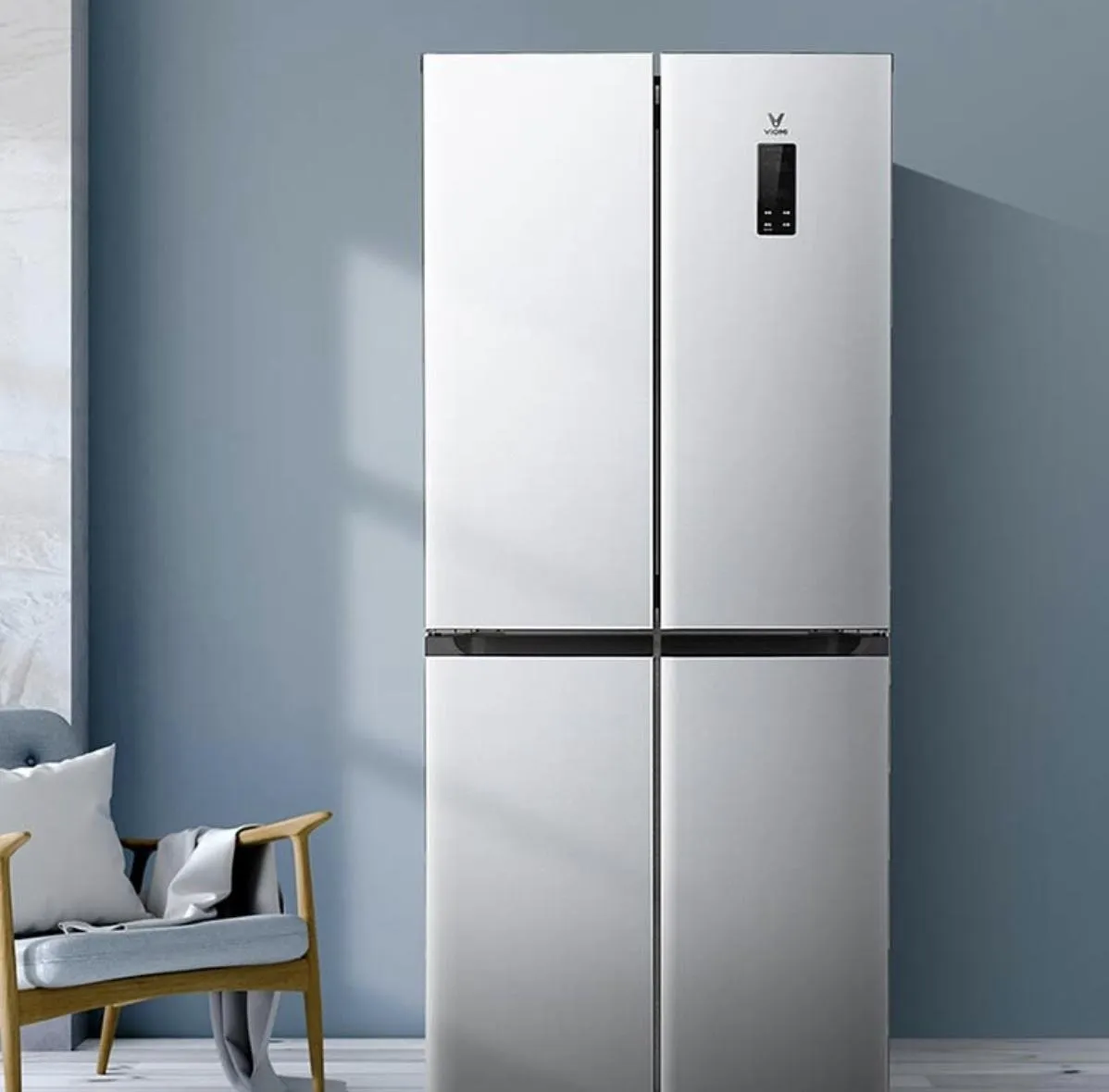
Advanced Alloy Compositions Driving Industry Innovation
Stainless Steel Grades Revolutionizing Appliance Design
Contemporary appliance manufacturers prioritize stainless steel grades that offer enhanced corrosion resistance while maintaining formability during production processes. The 300 series stainless steels, particularly grades 304 and 316, have become industry standards for their exceptional balance of mechanical properties and chemical resistance. These materials enable manufacturers to create sleek, modern appliances that resist fingerprints, water spots, and chemical damage from household cleaning products. The austenitic structure of these grades provides excellent deep drawing capabilities, allowing complex shapes and contours that define contemporary appliance aesthetics.
Manufacturers increasingly specify duplex stainless steels for high-stress components, combining the benefits of austenitic and ferritic structures to achieve superior strength-to-weight ratios. These advanced materials reduce material thickness requirements while maintaining structural integrity, contributing to overall appliance weight reduction and improved energy efficiency during operation. The enhanced mechanical properties of duplex grades enable thinner gauge applications without compromising durability or safety margins required by industry standards.
Carbon Steel Applications in Cost-Sensitive Components
Strategic implementation of carbon steel remains crucial for manufacturers balancing performance requirements with cost considerations in home appliance steel applications. Low-carbon grades provide excellent formability for complex stampings while offering adequate strength for structural components that do not require corrosion resistance. These materials undergo specialized coating processes, including zinc plating, powder coating, and advanced organic finishes, to achieve the desired protection levels and aesthetic properties demanded by consumers.
High-strength low-alloy steels have gained prominence in appliance frames and chassis components where weight reduction and structural performance are paramount. These materials achieve superior mechanical properties through controlled chemical compositions and thermomechanical processing, enabling manufacturers to reduce material gauge while maintaining or improving load-bearing capabilities. The resulting weight savings contribute to improved shipping efficiency and reduced environmental impact throughout the product lifecycle.
Surface Treatment Technologies Enhancing Performance
Protective Coating Systems for Extended Durability
Modern home appliance steel requires sophisticated surface treatment systems that provide multi-layered protection against environmental factors while maintaining visual appeal throughout extended service life. Galvanized coatings offer fundamental corrosion protection for steel substrates, with advanced galvannealed processes providing enhanced paint adhesion properties for subsequent finishing operations. These treatments create metallurgically bonded zinc-iron alloy layers that resist flaking and provide superior performance compared to traditional hot-dip galvanizing in appliance applications.
Organic coating technologies have evolved to incorporate advanced polymer chemistry, providing exceptional resistance to household chemicals, thermal cycling, and ultraviolet radiation. Multi-layer systems featuring primer, base coat, and protective clear coat layers create durable finishes that maintain color stability and gloss retention throughout the appliance service life. These coating systems undergo rigorous testing protocols to ensure compatibility with steel substrates and resistance to common household stressors including steam, grease, and cleaning solvents.
Innovative Texturing and Finishing Techniques
Advanced texturing processes enable manufacturers to create distinctive surface characteristics that enhance both functional performance and aesthetic appeal of home appliance steel components. Mechanical texturing techniques, including brushing, grinding, and shot peening, produce consistent surface patterns that minimize visible scratches and fingerprints while maintaining structural integrity. These processes can be precisely controlled to achieve specific roughness parameters that optimize paint adhesion and provide tactile feedback desired by consumers.
Chemical etching and electrochemical processing methods offer precise control over surface micro-geometry, enabling the creation of anti-bacterial surfaces and self-cleaning properties that enhance appliance hygiene and maintenance requirements. These treatments modify surface chemistry at the molecular level, creating functional properties that extend beyond traditional aesthetic considerations to provide measurable performance benefits throughout the appliance operational life.
Manufacturing Process Optimization Strategies
Precision Forming Technologies for Complex Geometries
Contemporary appliance design demands increasingly complex shapes and contours that challenge traditional forming processes, requiring advanced manufacturing techniques that maximize material utilization while minimizing waste generation. Hydroforming technologies enable the creation of seamless components with variable cross-sections, eliminating welded joints that can compromise structural integrity or create aesthetic inconsistencies. These processes utilize pressurized fluid to form home appliance steel into complex shapes while maintaining uniform wall thickness and surface quality throughout the component.
Progressive die stamping systems incorporate multiple forming operations in sequential stages, enabling high-volume production of complex components while maintaining dimensional accuracy and surface finish requirements. Advanced tooling designs minimize material springback and optimize forming forces to prevent surface defects that could compromise coating adhesion or aesthetic appearance. Computer-aided process simulation enables manufacturers to optimize forming parameters and predict potential issues before physical tooling fabrication.
Welding and Joining Innovations for Structural Integrity
Modern welding technologies for home appliance steel applications emphasize precision control and minimal heat-affected zones to preserve material properties and prevent distortion in thin-gauge applications. Laser welding systems provide exceptional control over heat input and penetration depth, enabling the creation of strong, narrow weld seams that maintain structural integrity while minimizing post-weld finishing requirements. These processes are particularly valuable for stainless steel applications where heat tint and grain boundary precipitation must be carefully controlled.
Resistance welding techniques, including spot welding and seam welding, remain essential for high-volume assembly operations where speed and consistency are critical factors. Advanced electrode materials and precise control systems enable consistent weld quality while minimizing electrode wear and maintenance requirements. Process monitoring systems provide real-time feedback on weld parameters, ensuring consistent joint quality and enabling predictive maintenance scheduling to minimize production disruptions.
Quality Control and Testing Protocols
Materials Characterization for Performance Validation
Comprehensive testing protocols ensure home appliance steel meets stringent performance requirements throughout the product development and manufacturing processes. Mechanical testing programs evaluate tensile strength, yield strength, elongation, and hardness properties to verify conformance with material specifications and design requirements. These tests utilize standardized specimens and procedures to ensure repeatability and enable meaningful comparison between different material lots and suppliers.
Corrosion testing protocols simulate accelerated environmental exposure conditions to predict long-term performance in typical household environments. Salt spray testing, cyclic corrosion testing, and electrochemical evaluation methods provide quantitative data on material degradation rates and coating system effectiveness. These testing programs enable manufacturers to validate material selection decisions and optimize protective systems before full-scale production implementation.
Surface Quality Assessment and Control
Surface quality evaluation employs both visual inspection techniques and quantitative measurement methods to ensure home appliance steel meets aesthetic and functional requirements. Surface roughness measurements utilizing stylus profilometry and optical methods provide objective data on surface texture parameters that influence coating adhesion, appearance, and cleanability characteristics. Color measurement systems ensure consistent appearance across production lots and enable early detection of process variations that could affect final product quality.
Coating thickness measurement and adhesion testing protocols verify protective system integrity and durability throughout the manufacturing process. Cross-cut adhesion testing, pull-off testing, and impact resistance evaluation provide quantitative data on coating system performance and help identify potential process improvements. These quality control measures enable manufacturers to maintain consistent product quality while optimizing material costs and production efficiency.
Environmental Considerations and Sustainability
Recycling and Lifecycle Management
Steel recycling represents a fundamental sustainability advantage for home appliance steel applications, with magnetic separation enabling efficient recovery and reprocessing of ferrous materials at end-of-life. Modern appliance design increasingly incorporates design-for-disassembly principles that facilitate material separation and recycling processes. Material selection strategies prioritize grades and compositions that maintain their properties through multiple recycling cycles while minimizing contamination risks that could compromise recycled material quality.
Lifecycle assessment methodologies enable manufacturers to quantify environmental impacts throughout the entire product lifecycle, from raw material extraction through manufacturing, use, and end-of-life disposal or recycling. These assessments guide material selection decisions and process optimization efforts to minimize carbon footprint and resource consumption while maintaining product performance and durability requirements. Integration of recycled content in new steel production reduces virgin material requirements and associated environmental impacts.
Energy Efficiency in Manufacturing Processes
Advanced manufacturing processes for home appliance steel emphasize energy efficiency and waste reduction throughout the production chain. Optimized heating schedules in forming and heat treatment operations minimize energy consumption while maintaining required material properties and dimensional accuracy. Heat recovery systems capture waste thermal energy from manufacturing processes and utilize it for facility heating or other production requirements, improving overall energy efficiency and reducing operational costs.
Process optimization software enables manufacturers to identify opportunities for energy reduction through improved scheduling, equipment utilization, and process parameter optimization. Predictive maintenance programs minimize unscheduled downtime and maintain equipment efficiency throughout its operational life, reducing energy waste associated with inefficient operation and emergency repairs. These initiatives contribute to overall sustainability goals while improving manufacturing economics and competitiveness.
FAQ
What are the most commonly used steel grades in home appliance manufacturing
The most prevalent steel grades include 304 and 316 stainless steel for corrosion-resistant applications, along with low-carbon steel grades for cost-sensitive components. Manufacturers select specific grades based on performance requirements, aesthetic considerations, and cost constraints. Advanced high-strength steels are increasingly used for structural components where weight reduction is important.
How do surface treatments affect the performance of appliance steel
Surface treatments provide essential protection against corrosion, improve aesthetic appearance, and enhance functionality through specialized properties. Galvanized coatings offer fundamental corrosion protection, while organic coating systems provide color, texture, and chemical resistance. Advanced treatments can incorporate anti-bacterial properties and self-cleaning characteristics that reduce maintenance requirements.
What factors influence steel selection for different appliance components
Material selection considers mechanical property requirements, corrosion resistance needs, formability constraints, aesthetic requirements, and cost considerations. Structural components typically require higher strength materials, while visible surfaces demand superior appearance and corrosion resistance. Manufacturing process compatibility and supplier capability also influence material selection decisions.
How do manufacturers ensure consistent quality in home appliance steel
Quality assurance programs incorporate incoming material inspection, in-process monitoring, and finished product testing to verify conformance with specifications. Statistical process control methods track key parameters and identify trends that could affect quality. Supplier qualification programs ensure material consistency and establish clear performance expectations for all steel grades and surface treatments.