 EN
EN
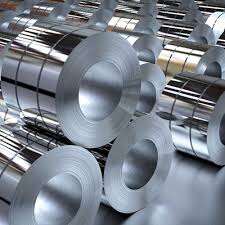
Modern power systems rely heavily on efficient energy transmission, and at the heart of this infrastructure lies electrical steel, a specialized material that has revolutionized transformer design and performance. This silicon-alloyed steel provides the magnetic properties essential for minimizing energy losses in electrical equipment, making it indispensable for power generation facilities, distribution networks, and industrial applications worldwide.
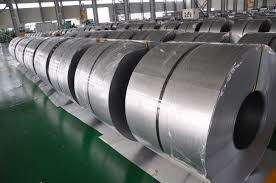
The unique composition and structure of electrical steel enable transformers to operate with remarkable efficiency, reducing energy waste and operational costs. As global energy demands continue rising, understanding the role of this critical material becomes increasingly important for engineers, manufacturers, and industry professionals seeking optimal transformer performance.
Composition and Manufacturing of Electrical Steel
Silicon Content and Alloy Properties
The foundation of electrical steel lies in its carefully controlled silicon content, typically ranging from 0.5% to 6.5% by weight. This silicon addition fundamentally alters the magnetic characteristics of iron, increasing electrical resistivity while reducing eddy current losses. Higher silicon concentrations generally improve magnetic properties but can make the material more brittle and challenging to process.
Manufacturing processes must precisely balance silicon levels to achieve optimal performance for specific applications. Grain-oriented electrical steel typically contains 3% silicon, providing excellent magnetic properties along the rolling direction. Non-oriented grades may have varying silicon content depending on their intended use in rotating machinery or transformer cores.
Production Methods and Quality Control
Modern electrical steel production involves sophisticated steelmaking techniques, including vacuum degassing and controlled cooling processes. These methods ensure uniform chemical composition and minimize impurities that could degrade magnetic performance. Cold rolling operations create the precise thickness and surface finish required for lamination stacking in transformer cores.
Quality control measures throughout production include magnetic testing, dimensional verification, and surface inspection protocols. Advanced testing equipment evaluates core loss characteristics, permeability values, and magnetic induction levels to ensure each batch meets stringent specifications. These rigorous standards guarantee consistent performance in critical transformer applications.
Magnetic Properties and Performance Characteristics
Core Loss Mechanisms and Reduction
Core losses in electrical steel consist primarily of hysteresis losses and eddy current losses, both of which directly impact transformer efficiency. Hysteresis losses occur during magnetization cycles as magnetic domains align and realign with alternating current. The specialized grain structure and silicon content in electrical steel minimize these losses compared to conventional steel grades.
Eddy current losses result from circulating currents induced within the steel laminations by changing magnetic fields. The increased electrical resistivity provided by silicon content significantly reduces these unwanted currents. Additionally, thin lamination thickness and insulating coatings between layers further suppress eddy current formation in transformer cores.
Permeability and Magnetic Saturation
High magnetic permeability allows electrical steel to conduct magnetic flux efficiently with minimal magnetizing force. This characteristic enables transformers to operate with lower exciting currents and improved voltage regulation. The relationship between applied magnetic field strength and resulting flux density defines the material's magnetic performance curve.
Magnetic saturation limits establish the maximum flux density achievable in electrical steel cores before dramatic efficiency reductions occur. Proper transformer design must account for these saturation characteristics to prevent overexcitation and ensure reliable operation across varying load conditions. Advanced grades of electrical steel offer higher saturation levels while maintaining low core loss performance.
Types and Classifications of Electrical Steel
Grain-Oriented Electrical Steel
Grain-oriented electrical steel features a highly controlled crystal structure with magnetic domains aligned primarily in the rolling direction. This orientation provides superior magnetic properties along the preferred axis, making it ideal for transformer cores where magnetic flux follows predictable paths. The manufacturing process includes specialized annealing treatments to develop the desired grain structure.
Domain refinement techniques further enhance the performance of grain-oriented grades by creating controlled stress patterns that reduce core losses. These advanced processing methods can achieve core loss values as low as 0.65 watts per kilogram at standard test conditions, representing significant improvements over conventional materials.
Non-Oriented Electrical Steel
Non-oriented electrical steel exhibits relatively uniform magnetic properties in all directions within the plane of the sheet. This isotropic behavior makes it particularly suitable for rotating electrical machines where magnetic flux changes direction continuously. Various grades are available with different silicon contents and processing treatments to optimize performance for specific applications.
Semi-processed and fully-processed variants of non-oriented electrical steel offer different combinations of magnetic properties and mechanical characteristics. Semi-processed grades require final annealing by the end user to develop optimal magnetic performance, while fully-processed materials are ready for immediate use in manufacturing operations.
Applications in Transformer Design
Power Transformer Cores
Large power transformers utilized in electrical transmission systems require the highest performance electrical steel grades to minimize energy losses across their operational lifetime. These transformers often operate continuously for decades, making efficiency improvements through advanced core materials economically significant. Grain-oriented electrical steel provides the optimal combination of low core losses and high magnetic permeability for these demanding applications.
Core construction techniques for power transformers involve precise stacking and clamping of electrical steel laminations to minimize air gaps and ensure uniform magnetic flux distribution. Specialized cutting methods preserve the magnetic properties of the steel while achieving the complex geometries required for three-phase transformer cores. Quality assembly practices directly influence the overall efficiency and performance of the finished transformer.
Distribution and Specialty Transformers
Distribution transformers serving residential and commercial areas typically use cost-optimized electrical steel grades that balance performance with economic considerations. These transformers must maintain high efficiency while operating under varying load conditions throughout their service life. Advanced electrical steel formulations enable compact designs that meet stringent efficiency standards while reducing material costs.
Specialty transformer applications, including instrument transformers and audio equipment, may require specific electrical steel characteristics tailored to their unique operating requirements. Low-noise grades minimize magnetostriction effects that could cause unwanted acoustic emissions. High-permeability variants enable precise measurement accuracy in current and voltage transformer applications.
Manufacturing and Processing Considerations
Lamination Cutting and Handling
Proper cutting techniques for electrical steel laminations significantly impact the magnetic performance of finished transformer cores. Mechanical shearing can introduce stress and damage the grain structure near cut edges, leading to increased core losses. Laser cutting and electrical discharge machining offer alternative approaches that minimize mechanical damage while achieving precise dimensional tolerances.
Handling procedures during manufacturing must protect the insulation coatings on electrical steel surfaces from damage that could create electrical shorts between laminations. Automated material handling systems reduce the risk of coating damage while improving production efficiency. Proper storage conditions prevent corrosion and maintain the integrity of surface treatments throughout the manufacturing process.
Assembly and Quality Assurance
Core assembly procedures require careful attention to lamination stacking patterns, clamping pressure, and joint design to optimize magnetic performance. Interleaved stacking arrangements help distribute magnetic flux more uniformly while reducing localized heating effects. Proper torque specifications for core clamping hardware prevent excessive stress while maintaining mechanical integrity.
Quality assurance testing during core assembly includes magnetic measurements to verify core loss and excitation current characteristics. These tests validate that the assembled core meets design specifications before proceeding with winding installation and final transformer assembly. Advanced testing equipment enables rapid evaluation of core performance parameters without damaging the finished product.
Environmental and Economic Benefits
Energy Efficiency Improvements
The superior magnetic properties of modern electrical steel grades contribute significantly to overall power system efficiency by reducing transformer losses. Even small percentage improvements in transformer efficiency can result in substantial energy savings when multiplied across the thousands of transformers in electrical grids. These efficiency gains directly translate to reduced greenhouse gas emissions from power generation facilities.
Advanced electrical steel formulations continue pushing the boundaries of transformer efficiency, with some grades achieving core loss reductions of 20% or more compared to conventional materials. These improvements support global energy conservation goals while reducing operational costs for utilities and industrial facilities. The economic benefits of improved efficiency often justify the higher initial costs of premium electrical steel grades.
Lifecycle Cost Analysis
Comprehensive lifecycle cost analysis demonstrates the economic advantages of investing in high-performance electrical steel for transformer applications. While premium grades may cost more initially, the reduced energy losses over a transformer's typical 30-year service life often provide substantial net savings. Lower operating temperatures also extend transformer life and reduce maintenance requirements.
Environmental regulations increasingly favor efficient transformer designs that minimize energy consumption and environmental impact. Utilities and industrial users recognize that specifying advanced electrical steel grades helps meet regulatory requirements while improving long-term profitability. These trends drive continued demand for innovative electrical steel products that deliver superior performance characteristics.
FAQ
What makes electrical steel different from regular steel
Electrical steel contains controlled amounts of silicon, typically 0.5% to 6.5%, which significantly increases its electrical resistivity and improves magnetic properties compared to regular carbon steel. This silicon content reduces eddy current losses and enhances the material's ability to conduct magnetic flux efficiently, making it essential for electrical equipment like transformers and motors.
How does grain orientation affect electrical steel performance
Grain-oriented electrical steel has its crystal structure aligned primarily in one direction, providing superior magnetic properties along that axis with significantly lower core losses and higher permeability. Non-oriented grades have more uniform properties in all directions, making them suitable for applications where magnetic flux changes direction, such as rotating machines.
What factors determine the choice of electrical steel grade
The selection depends on application requirements including operating frequency, desired efficiency levels, cost constraints, and magnetic flux patterns. Power transformers typically use grain-oriented grades for maximum efficiency, while motors and generators often require non-oriented grades for their rotating magnetic fields. Silicon content, core loss specifications, and mechanical properties also influence grade selection.
How do insulation coatings affect electrical steel performance
Insulation coatings on electrical steel laminations prevent electrical contact between layers, which is crucial for minimizing eddy current losses in transformer cores. These thin organic or inorganic coatings must withstand manufacturing processes and operating temperatures while maintaining electrical isolation throughout the equipment's service life. Damaged coatings can create shorts that significantly increase core losses and reduce transformer efficiency.