 EN
EN

Solar infrastructure projects demand materials that can withstand decades of outdoor exposure without compromising structural integrity. Hot dipped galvanized coils have become one of the most trusted steel products in this space, providing the corrosion resistance and mechanical strength that solar installations require. From ground-mounted arrays to rooftop systems, the role of hot dipped galvanized coils in solar construction is both foundational and far-reaching.
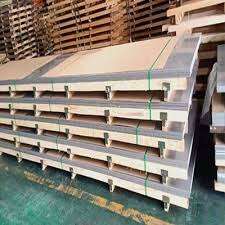
Understanding how hot dipped galvanized coils are selected and applied in solar projects helps engineers, procurement teams, and project developers make better material decisions. Hot dipped galvanized coils offer a zinc coating bonded through a metallurgical process, producing a finish that resists rust, oxidation, and environmental degradation. This article explores the key application areas, performance requirements, and selection logic behind using hot dipped galvanized coils in solar infrastructure.
Structural Roles of Hot Dipped Galvanized Coils in Solar Installations
Mounting Frames and Racking Systems
The most visible application of hot dipped galvanized coils in solar projects is the fabrication of mounting frames and racking systems. These components hold photovoltaic panels in place at precise angles, and they must endure wind loads, thermal cycling, and moisture exposure over a project lifespan that often exceeds 25 years. Hot dipped galvanized coils are roll-formed or stamped into channels, rails, and brackets that form the backbone of these racking systems. The zinc coating on hot dipped galvanized coils creates a barrier layer that prevents base steel from reacting with oxygen and moisture, dramatically extending service life in outdoor environments.
Hot dipped galvanized coils used in racking applications are typically processed to specific yield strengths and coating thicknesses. Engineers specify hot dipped galvanized coils with zinc coating weights that match the corrosivity category of the installation site. Coastal solar farms, for example, require hot dipped galvanized coils with heavier zinc deposits to resist salt-laden air, while inland installations may use standard-weight coatings. The flexibility of hot dipped galvanized coils in terms of processing and coating customization makes them a preferred choice across diverse solar site conditions.
Ground-Mounted Pile Systems
Large-scale solar farms rely on driven piles or helical anchors to secure racking structures to the ground. These foundation elements are often fabricated from hot dipped galvanized coils that are formed into tubular or C-section profiles. Hot dipped galvanized coils provide the consistent wall thickness and surface quality needed for pile fabrication, ensuring that each structural member meets load-bearing specifications. Because piles are partially embedded in soil, hot dipped galvanized coils with robust zinc coatings are essential for resisting underground corrosion that would otherwise compromise foundation stability over time.
Material Performance Demands Met by Hot Dipped Galvanized Coils
Corrosion Resistance Across Environmental Conditions
Solar projects are installed in environments ranging from arid deserts to humid coastal zones. In every scenario, hot dipped galvanized coils deliver consistent protection because the zinc layer acts sacrificially, corroding preferentially to protect the underlying steel. This cathodic protection mechanism means that even at cut edges or scratched areas, hot dipped galvanized coils continue to guard the base metal. For solar developers, this translates to lower maintenance costs and fewer structural replacements throughout the project lifecycle. Hot dipped galvanized coils are tested under international standards to confirm that their zinc adhesion and coating uniformity meet the requirements of long-term outdoor exposure.
Mechanical Strength and Formability
Beyond corrosion resistance, hot dipped galvanized coils must retain sufficient mechanical strength after the galvanizing process to allow downstream forming operations. Roll-forming machines shape hot dipped galvanized coils into rails, purlins, and structural channels without cracking or delaminating the zinc layer. This formability is a critical processing advantage. Hot dipped galvanized coils produced to controlled chemistry and annealing parameters exhibit the ductility required for tight-radius bending, which is common in compact racking profiles used on rooftop solar installations. Procurement teams evaluating hot dipped galvanized coils should verify elongation values and coating flexibility to ensure compatibility with their forming processes.
Hot dipped galvanized coils also contribute to the load-bearing capacity of completed structures. The base steel grade within hot dipped galvanized coils determines the yield and tensile strength available to resist wind uplift and snow loading. Solar project engineers use structural calculations to determine the minimum steel grade required, and hot dipped galvanized coils are available across multiple strength grades to match these engineering specifications precisely.
Procurement and Specification Guidance for Solar Applications
Selecting the Right Coating Weight
When sourcing hot dipped galvanized coils for solar projects, coating weight is one of the most critical specification parameters. Hot dipped galvanized coils are available in coating designations that reflect the total zinc deposit per unit area, commonly expressed in grams per square meter. Higher coating weights extend the corrosion protection duration of hot dipped galvanized coils and are appropriate for projects in aggressive environments. Specifiers should reference ISO, ASTM, or EN standards when defining coating requirements for hot dipped galvanized coils, ensuring that the purchased material meets the documented project service life targets.
Dimensional Tolerances and Surface Quality
Hot dipped galvanized coils must meet strict dimensional tolerances to support automated roll-forming and stamping operations on solar component production lines. Thickness variation, width tolerance, and flatness of hot dipped galvanized coils directly affect the dimensional accuracy of finished structural parts. Surface quality of hot dipped galvanized coils is equally important when components will be assembled with tight mechanical fits or require consistent appearance for project documentation. Suppliers of hot dipped galvanized coils should provide mill test certificates that verify chemical composition, mechanical properties, and coating test results against applicable standards. Reviewing these documents before procurement is standard practice for solar infrastructure projects that demand traceable material quality.
FAQ
What coating weight of hot dipped galvanized coils is recommended for coastal solar farms?
For coastal solar farms where salt exposure is significant, hot dipped galvanized coils with a minimum zinc coating of 275 grams per square meter are commonly specified. Some projects in highly corrosive marine zones use hot dipped galvanized coils with coatings of 350 grams per square meter or higher, combined with additional surface treatments for extended service life.
Can hot dipped galvanized coils be welded during solar structure fabrication?
Yes, hot dipped galvanized coils can be welded, but the zinc coating burns off in the weld zone and heat-affected area. Fabricators working with hot dipped galvanized coils must apply zinc-rich paint or cold galvanizing compound to restore corrosion protection at welds. Proper ventilation is also required during welding of hot dipped galvanized coils to manage zinc fume exposure safely.
How do hot dipped galvanized coils compare to pre-painted steel for solar racking?
Hot dipped galvanized coils provide a metallurgically bonded zinc layer that offers cathodic protection, while pre-painted steel relies on a paint film as a barrier coating. For structural solar racking exposed to mechanical abrasion and outdoor weathering, hot dipped galvanized coils generally deliver superior long-term corrosion resistance. Pre-painted options may be chosen for aesthetic or weight reasons, but hot dipped galvanized coils remain the dominant choice for primary structural members in solar installations.