
 EN
EN
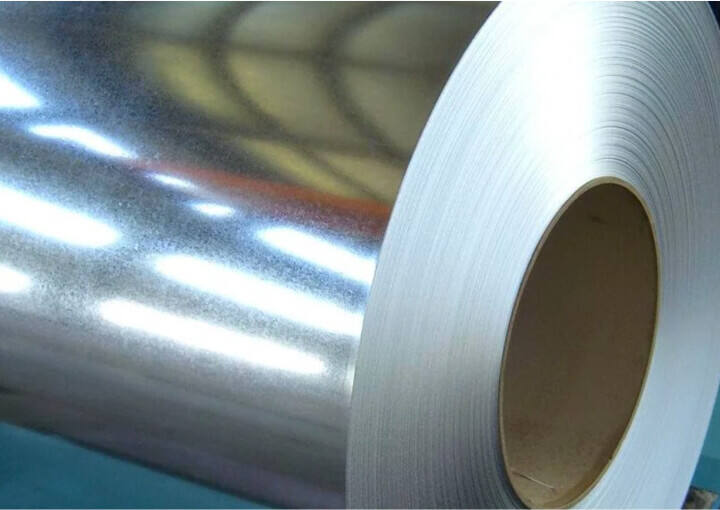
The quality of home appliance steel directly impacts the durability, performance, and aesthetic appeal of your household devices. From refrigerators and washing machines to dishwashers and ovens, the type of steel used in manufacturing determines how well these essential appliances withstand daily use, environmental factors, and time itself. Understanding the characteristics that define superior home appliance steel can help consumers make informed purchasing decisions that lead to long-term satisfaction and value.
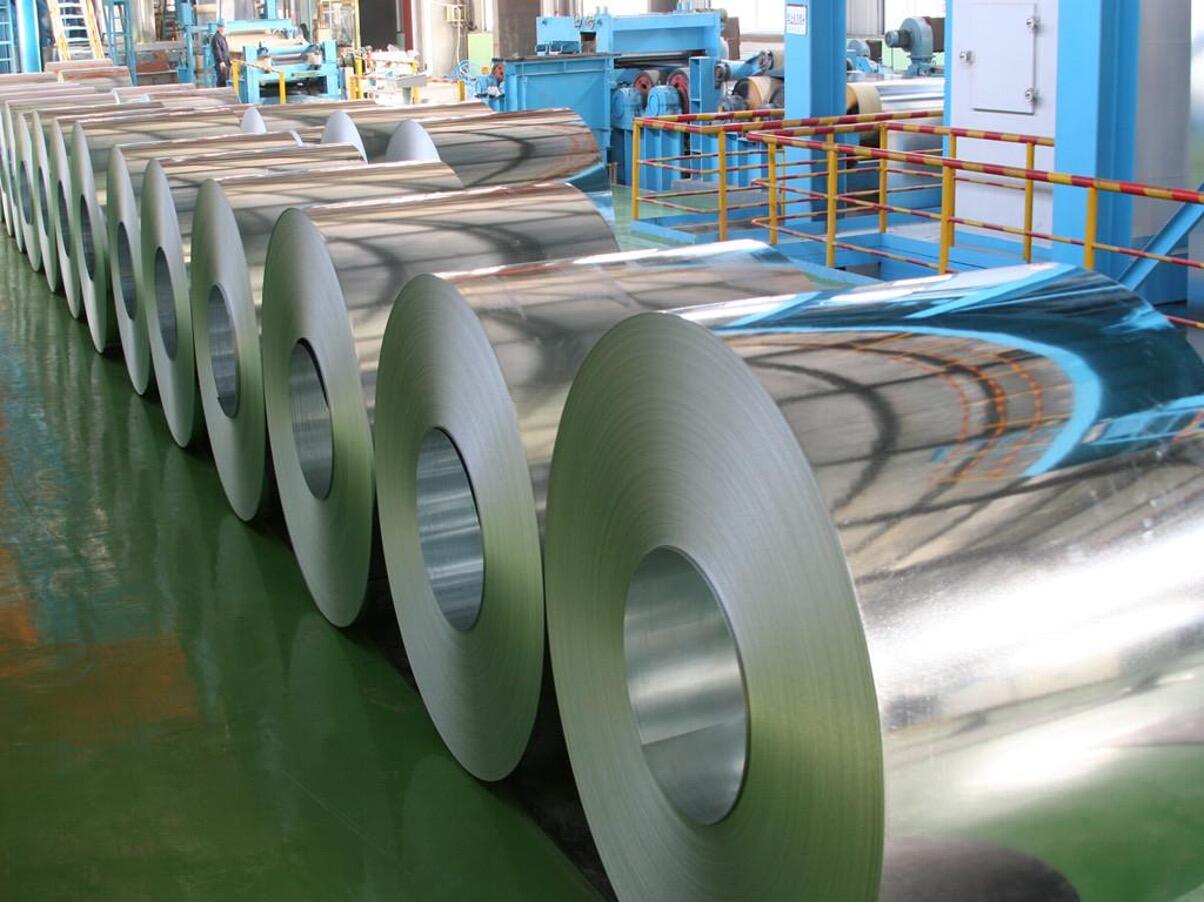
Material Composition and Grade Standards
Stainless Steel Grades in Appliance Manufacturing
Different grades of stainless steel serve specific purposes in appliance construction, with 304 and 430 being the most commonly used varieties. Grade 304 stainless steel contains higher levels of chromium and nickel, providing exceptional corrosion resistance and maintaining its lustrous appearance even after years of use. This premium grade is typically found in high-end appliances where longevity and aesthetic appeal are prioritized.
Grade 430 stainless steel, while more affordable, offers adequate protection for many appliance applications. It contains less nickel than 304 grade but still provides good corrosion resistance for interior components and less exposed surfaces. The choice between these grades significantly affects the overall cost and performance characteristics of the finished appliance.
Carbon Steel Applications and Treatment
Carbon steel plays a crucial role in appliance frameworks and internal structures where strength is more important than corrosion resistance. Home appliance steel manufacturers often apply specialized coatings and treatments to carbon steel components to enhance their durability. These treatments include galvanization, powder coating, and electroplating, each offering specific benefits for different environmental conditions.
The carbon content in these steels typically ranges from 0.1% to 0.3%, providing an optimal balance between malleability during manufacturing and structural integrity in the final product. Higher carbon content increases hardness but reduces formability, making it essential for manufacturers to select the appropriate grade based on the specific component requirements.
Manufacturing Processes and Quality Control
Cold Rolling and Surface Finishing
The cold rolling process significantly impacts the final quality of home appliance steel by improving surface smoothness and dimensional accuracy. This manufacturing technique involves passing steel through rollers at room temperature, which work-hardens the material and creates a more uniform thickness across the entire sheet. The resulting surface finish is crucial for appliances that require painting or coating applications.
Advanced surface finishing techniques, including brushing, polishing, and texturing, further enhance the aesthetic and functional properties of appliance steel. These processes not only improve appearance but also influence how well the steel accepts subsequent treatments such as paint adhesion and corrosion-resistant coatings.
Heat Treatment and Stress Relief
Proper heat treatment ensures that home appliance steel maintains consistent mechanical properties throughout its service life. Annealing processes relieve internal stresses that develop during forming operations, preventing premature failure and maintaining dimensional stability. Temperature control during these processes must be precisely managed to achieve optimal results without compromising the steel's inherent properties.
Stress relief treatments are particularly important for complex formed components such as appliance housings and door panels. These processes help prevent warping, cracking, and other deformation issues that could affect appliance performance or appearance over time.
Corrosion Resistance and Environmental Factors
Kitchen Environment Challenges
Kitchen environments present unique challenges for appliance materials, with high humidity, temperature fluctuations, and exposure to various chemicals from cleaning products and food preparation. Quality home appliance steel must withstand these conditions without showing signs of rust, staining, or degradation. The chromium content in stainless steel forms a passive oxide layer that provides excellent protection against these environmental factors.
Salt exposure from cooking and cleaning can accelerate corrosion in lower-grade steels, making material selection critical for long-term performance. Appliances located near coastal areas face additional challenges from salt air, requiring even higher levels of corrosion resistance to maintain their appearance and functionality.
Protective Coatings and Treatments
Modern protective coating technologies extend the life of appliance steel components significantly beyond what untreated materials could achieve. Organic coatings, ceramic treatments, and metallic platings each offer specific advantages for different applications and environmental conditions. These treatments must be carefully selected and applied to ensure proper adhesion and long-term effectiveness.
The compatibility between the steel substrate and protective coatings affects both initial performance and long-term durability. Proper surface preparation, including cleaning and pre-treatment processes, ensures optimal coating adhesion and prevents premature failure that could compromise the appliance's protective barrier.
Performance Characteristics and Testing Standards
Mechanical Properties and Durability Testing
Tensile strength, yield strength, and elongation properties determine how well home appliance steel performs under various mechanical stresses encountered during normal use. These properties are tested according to standardized procedures that simulate real-world conditions, ensuring that materials meet minimum performance requirements before being approved for appliance manufacturing.
Fatigue testing evaluates how steel components respond to repeated loading cycles, such as door openings, drawer operations, and vibration from motors and pumps. This testing helps manufacturers select materials that will maintain their integrity throughout the appliance's expected service life without developing cracks or other failure modes.
Thermal Expansion and Stability
Temperature cycling in appliances creates thermal stresses that can lead to component failure if not properly addressed through material selection. Home appliance steel must have appropriate thermal expansion coefficients to prevent excessive stress buildup during heating and cooling cycles. This is particularly important for components that experience significant temperature variations during operation.
Dimensional stability under thermal cycling ensures that appliance components maintain proper fit and function throughout their service life. Materials with poor thermal stability may cause doors to warp, panels to buckle, or seals to fail, leading to reduced appliance performance and customer satisfaction.
Economic Considerations and Value Analysis
Initial Cost Versus Lifetime Value
The relationship between material cost and appliance longevity significantly impacts the overall value proposition for consumers. Higher-grade home appliance steel typically costs more initially but provides better long-term value through extended service life and reduced maintenance requirements. This cost-benefit analysis becomes particularly important for commercial applications where appliance downtime can be expensive.
Energy efficiency considerations also factor into the economic equation, as some steel grades and treatments can improve thermal properties and reduce energy consumption. These benefits may not be immediately apparent but contribute to lower operating costs over the appliance's lifetime, making premium materials more attractive from a total cost perspective.
Market Trends and Material Innovation
Ongoing research and development in steel metallurgy continue to produce new alloys and treatments that offer improved performance characteristics for appliance applications. These innovations often focus on reducing material costs while maintaining or improving performance, making advanced materials more accessible to mainstream appliance manufacturers.
Sustainability concerns are driving development of recycling-friendly steel compositions and manufacturing processes that reduce environmental impact. These considerations increasingly influence material selection decisions as manufacturers respond to consumer demand for environmentally responsible products.
FAQ
What grade of stainless steel is best for home appliances
Grade 304 stainless steel is generally considered the best choice for home appliances due to its excellent corrosion resistance, durability, and aesthetic appeal. This grade contains 18% chromium and 8% nickel, providing superior protection against rust and staining. While more expensive than grade 430, the long-term benefits of 304 stainless steel make it worthwhile for appliances that see frequent use and exposure to moisture and cleaning chemicals.
How does steel quality affect appliance energy efficiency
High-quality steel with appropriate thermal properties can significantly impact appliance energy efficiency by providing better insulation and heat transfer characteristics. Thicker, well-insulated steel panels help maintain internal temperatures more effectively, reducing the workload on heating and cooling systems. Additionally, precision-manufactured steel components create better seals and reduce air leakage, which directly translates to improved energy performance.
Can poor quality steel cause appliance safety issues
Yes, poor quality steel can create several safety concerns including structural failure, fire hazards from inadequate heat resistance, and electrical safety issues if corrosion affects grounding systems. Substandard materials may not meet safety certifications and can fail unexpectedly under normal operating conditions. This is why choosing appliances made with certified, high-quality steel is essential for both performance and safety.
How can consumers identify high-quality appliance steel
Consumers can identify high-quality appliance steel by looking for specific grade markings such as 304 or 316 stainless steel designations, checking for uniform surface finish without visible defects, and researching manufacturer specifications and certifications. Additionally, reputable brands typically provide detailed material information in their product documentation, and appliances with quality steel often carry longer warranties reflecting the manufacturer's confidence in their materials.