 EN
EN
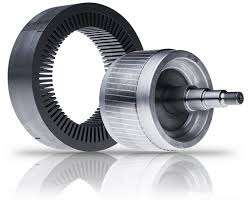
Modern industrial applications demand materials that can efficiently handle electromagnetic properties while maintaining structural integrity. Electrical steel stands as one of the most critical materials in the manufacturing of transformers, motors, and generators. This specialized steel alloy combines unique magnetic properties with mechanical strength, making it indispensable in power generation and distribution systems. Understanding the intricate properties and manufacturing processes of electrical steel is essential for engineers and manufacturers working in the electrical and power industries.
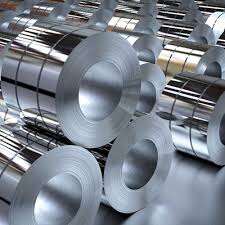
Fundamental Properties of Electrical Steel
Magnetic Characteristics and Permeability
The magnetic properties of electrical steel are what distinguish it from conventional steel alloys. High magnetic permeability allows the material to conduct magnetic flux efficiently while minimizing energy losses. The silicon content in electrical steel typically ranges from 0.5% to 6.5%, which significantly reduces the material's magnetostriction and increases its electrical resistivity. This composition creates a material that can maintain its magnetic properties under varying electrical loads and temperature conditions.
Grain orientation plays a crucial role in determining the magnetic behavior of electrical steel. Grain-oriented electrical steel exhibits superior magnetic properties in the rolling direction, making it ideal for transformer cores where magnetic flux flows in a predictable pattern. The controlled grain structure ensures minimal hysteresis losses and optimal magnetic flux density, resulting in highly efficient electrical equipment performance.
Electrical Resistivity and Core Loss Reduction
Electrical resistivity is another fundamental property that makes electrical steel suitable for electromagnetic applications. The increased silicon content raises the electrical resistivity, which reduces eddy current losses when the material is subjected to alternating magnetic fields. These eddy currents, if not controlled, can cause significant energy losses and heat generation in electrical equipment. The higher resistivity of electrical steel effectively minimizes these unwanted currents, improving overall system efficiency.
Core losses in electrical steel are primarily composed of hysteresis losses and eddy current losses. Modern electrical steel manufacturing processes focus on reducing both types of losses through careful control of chemical composition, grain structure, and surface treatments. Advanced electrical steel grades can achieve core loss values as low as 0.23 W/kg at 1.5 Tesla and 50 Hz, representing significant improvements in energy efficiency for electrical equipment.
Manufacturing Process and Production Techniques
Raw Material Preparation and Melting
The manufacturing process of electrical steel begins with careful selection and preparation of raw materials. High-purity iron serves as the base material, with silicon added as the primary alloying element. Other elements such as aluminum, manganese, and carbon are controlled to specific levels to achieve desired magnetic properties. The melting process typically employs electric arc furnaces or basic oxygen furnaces, where precise temperature control and atmospheric conditions ensure optimal chemical composition.
During the melting stage, decarburization and desulfurization processes remove impurities that could negatively impact magnetic properties. The molten steel undergoes degassing treatments to eliminate hydrogen and nitrogen, which can cause brittleness and affect the final product's magnetic characteristics. Continuous casting techniques are employed to produce uniform slabs with consistent chemical composition throughout the material thickness.
Hot Rolling and Cold Rolling Operations
Hot rolling operations reduce the cast slab thickness while maintaining the material's chemical homogeneity. The hot rolling temperature typically ranges from 1100°C to 1200°C, allowing for significant thickness reduction without compromising the steel's integrity. Multiple passes through the rolling mill achieve the desired intermediate thickness while controlling the grain structure development that will influence the final magnetic properties.
Cold rolling is the critical stage where electrical steel achieves its final thickness and surface finish. This process involves multiple passes through precision rolling mills, reducing the material thickness to the required specifications, typically ranging from 0.18mm to 0.65mm for most applications. The cold rolling process work-hardens the material and creates internal stresses that must be carefully managed through subsequent heat treatment processes.
Heat Treatment and Annealing Processes
Decarburizing Annealing
Decarburizing annealing is a crucial heat treatment process that removes carbon content from electrical steel while developing the desired grain structure. This process typically occurs at temperatures between 800°C and 850°C in a controlled atmosphere containing hydrogen and water vapor. The decarburizing atmosphere selectively removes carbon while preserving the silicon content, resulting in improved magnetic properties and reduced core losses.
The decarburizing annealing process also initiates primary recrystallization, where new, stress-free grains form to replace the work-hardened structure created during cold rolling. This recrystallization process is carefully controlled through temperature, time, and atmospheric conditions to achieve optimal grain size and orientation. The resulting microstructure significantly influences the final magnetic properties of the electrical steel.
High-Temperature Annealing and Grain Growth
High-temperature annealing, typically performed at temperatures exceeding 1150°C, promotes secondary recrystallization in grain-oriented electrical steel. This process allows selected grains with favorable crystallographic orientation to grow at the expense of surrounding grains, creating a highly oriented grain structure. The resulting texture, known as the Goss texture, provides superior magnetic properties in the rolling direction.
The high-temperature annealing process requires precise control of heating rates, peak temperatures, and cooling cycles to achieve optimal grain orientation. Protective atmospheres, typically consisting of hydrogen or nitrogen, prevent oxidation and decarburization during the high-temperature exposure. The final grain structure determines the magnetic properties, including permeability, core losses, and magnetostriction characteristics of the finished electrical steel.
Surface Treatments and Insulation Coatings
Insulation Coating Application
Surface treatments play a vital role in electrical steel performance, particularly in applications where laminated cores are required. Insulation coatings prevent electrical contact between adjacent steel laminations, reducing eddy current losses in the finished electrical equipment. These coatings typically consist of inorganic compounds such as phosphates, chromates, or organic-inorganic hybrid materials that provide both electrical insulation and corrosion protection.
The application of insulation coatings involves precise control of coating thickness, typically ranging from 1 to 5 micrometers. The coating process may include multiple layers, with each layer serving specific functions such as adhesion promotion, electrical insulation, or surface protection. Advanced coating systems can provide additional benefits such as improved punchability, stress relief, and enhanced corrosion resistance.
Surface Smoothness and Lamination Factor
Surface quality significantly impacts the performance of electrical steel in laminated core applications. Smooth surfaces ensure uniform coating application and optimal stacking factor when multiple laminations are assembled. The lamination factor, which represents the ratio of steel volume to total core volume, directly affects the magnetic performance and efficiency of electrical equipment.
Advanced surface treatment processes can achieve lamination factors exceeding 97%, meaning that the insulation coating and surface irregularities occupy less than 3% of the total core volume. This high lamination factor maximizes the magnetic material content while maintaining electrical isolation between laminations, resulting in superior electromagnetic performance and reduced core losses.
Quality Control and Testing Methods
Magnetic Property Evaluation
Quality control in electrical steel manufacturing involves comprehensive testing of magnetic properties to ensure compliance with industry standards and customer specifications. Epstein frame testing and single sheet tester methods are commonly employed to measure core losses, permeability, and magnetic induction characteristics. These tests simulate actual operating conditions and provide accurate measurements of the material's electromagnetic performance.
Advanced testing equipment can measure core losses at various frequencies and magnetic induction levels, providing detailed characterization of the material's performance across different operating conditions. Magnetic aging tests evaluate the long-term stability of magnetic properties under thermal and mechanical stress, ensuring reliable performance throughout the equipment's operational life.
Microstructural Analysis and Grain Orientation Assessment
Microstructural analysis techniques, including optical microscopy, electron microscopy, and X-ray diffraction, provide detailed information about grain structure, orientation, and chemical composition distribution. These analyses help optimize manufacturing processes and troubleshoot quality issues that may affect magnetic properties. Grain orientation measurements using X-ray diffraction techniques quantify the degree of crystallographic alignment achieved through the manufacturing process.
Automated image analysis systems can rapidly evaluate grain size distribution, orientation statistics, and microstructural homogeneity across large sample areas. This comprehensive microstructural characterization ensures consistent quality and helps identify process variations that could impact the final product's magnetic performance. Statistical process control methods integrate these measurements into manufacturing process optimization and quality assurance programs.
Applications and Industry Requirements
Transformer Core Applications
Electrical steel finds its primary application in transformer cores, where its unique magnetic properties enable efficient energy transfer between electrical circuits. Power transformers, distribution transformers, and specialty transformers all rely on high-quality electrical steel to minimize energy losses and ensure reliable operation. The grain-oriented grades are particularly suitable for transformer applications due to their superior magnetic properties in the rolling direction.
Modern power grid requirements demand increasingly efficient transformers to reduce energy losses and environmental impact. Advanced electrical steel grades with ultra-low core losses contribute significantly to meeting these efficiency standards. The selection of appropriate electrical steel grades depends on transformer design requirements, operating frequency, and efficiency targets established by international standards and regulations.
Motor and Generator Manufacturing
Electric motors and generators require electrical steel with different property profiles compared to transformer applications. Non-oriented electrical steel grades are typically preferred for rotating machinery applications due to their isotropic magnetic properties. These materials provide consistent performance regardless of magnetic field direction, which is essential in rotating equipment where magnetic flux patterns change continuously.
The automotive industry's transition to electric vehicles has created new demands for high-performance electrical steel in traction motors. These applications require materials that can operate efficiently at high frequencies while maintaining mechanical strength and thermal stability. Specialty electrical steel grades with optimized chemical compositions and processing parameters are being developed to meet these emerging requirements.
FAQ
What is the difference between grain-oriented and non-oriented electrical steel
Grain-oriented electrical steel has a highly aligned crystal structure that provides superior magnetic properties in one direction, making it ideal for transformer cores where magnetic flux flows in a predictable path. Non-oriented electrical steel has randomly oriented grains that provide consistent magnetic properties in all directions, making it suitable for rotating machinery like motors and generators where the magnetic field direction changes continuously.
Why is silicon added to electrical steel
Silicon is added to electrical steel primarily to increase electrical resistivity, which reduces eddy current losses when the material is exposed to alternating magnetic fields. Silicon also improves the material's magnetic permeability and reduces magnetostriction, while helping to refine the grain structure during manufacturing. The typical silicon content ranges from 0.5% to 6.5%, depending on the specific application requirements.
How does electrical steel reduce energy losses in transformers
Electrical steel reduces energy losses through its high electrical resistivity, which minimizes eddy current losses, and its optimized grain structure, which reduces hysteresis losses. The material's high magnetic permeability allows efficient magnetic flux conduction with minimal energy dissipation. Advanced manufacturing processes and surface treatments further enhance these properties, resulting in transformer core losses as low as 0.23 W/kg in high-grade materials.
What are the key quality parameters for electrical steel
Key quality parameters for electrical steel include core loss values at specified magnetic induction and frequency levels, magnetic permeability, electrical resistivity, grain orientation degree, surface quality, and coating integrity. Mechanical properties such as tensile strength and bendability are also important for manufacturing and assembly processes. These parameters are measured using standardized testing methods to ensure consistent performance in electrical equipment applications.