 EN
EN
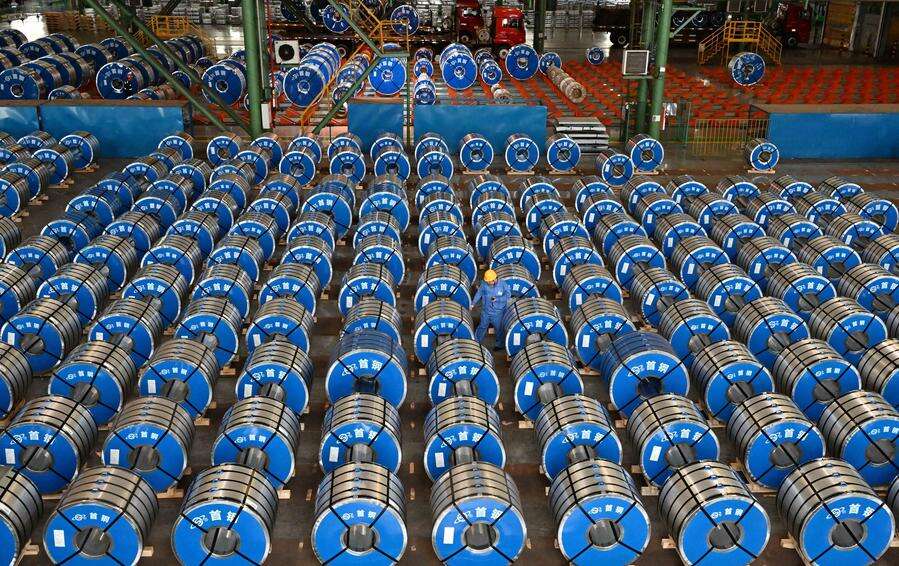
হট ডিপড এর অসাধারণ দীর্ঘায়ু গ্যালভানাইজড স্টিল একটি উন্নত ধাতুবিদ্যা প্রক্রিয়া থেকে উদ্ভূত হয় যা জিঙ্ক-আয়রন মিশ্রধাতুর একাধিক স্তর তৈরি করে, ফলে এটি ইস্পাত সাবস্ট্রেটগুলির জন্য পাওয়া যাওয়া সবচেয়ে টেকসই কোটিং সিস্টেমগুলির মধ্যে একটি হয়ে ওঠে। জিঙ্কের বলিদানকারী সুরক্ষা ব্যবস্থা এবং স্থিতিশীল নিষ্ক্রিয় ফিল্মের গঠন—যা নিয়মিতভাবে মূল ইস্পাতকে জারণজনিত ক্ষয় থেকে রক্ষা করে—এই দুটি কারণেই এই অসাধারণ ক্ষয় প্রতিরোধ ক্ষমতা অর্জিত হয়, যা মাঝারি পরিবেশে প্রায় পঞ্চাশ বছর বা তার বেশি সময় ধরে স্থায়ী হয়। হট ডিপড গ্যালভানাইজড ইস্পাতকে মরচের বিরুদ্ধে এত অসাধারণভাবে প্রতিরোধী করে তোলে কী তা বোঝার জন্য কোটিংয়ের ধাতুবিদ্যা, পরিবেশগত রসায়ন এবং এই কোটিং সিস্টেমকে অন্যান্য সমস্ত সুরক্ষামূলক চিকিৎসা থেকে পৃথক করে তোলা স্ব-সংরক্ষণ বৈশিষ্ট্যগুলির মধ্যে জটিল পারস্পরিক ক্রিয়াকলাপ পরীক্ষা করা আবশ্যক।
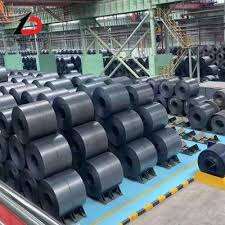
গরম ডুবানো গ্যালভানাইজড স্টিলের পাঁচ দশকের সেবা আয়ু কোনো বাজারজাতকরণের অতিশয়োক্তি নয়, বরং এটি ক্ষেত্রে দশক ধরে পর্যবেক্ষণ ও ত্বরিত পরীক্ষাগার পরীক্ষার মাধ্যমে যাচাইকৃত একটি ভালোভাবে নথিভুক্ত কর্মক্ষমতা বৈশিষ্ট্য। এই অসাধারণ স্থায়িত্বের কারণ হলো স্টিলকে প্রায় ৪৫০ ডিগ্রি সেলসিয়াস তাপমাত্রায় গলিত দস্তা-এ ডুবানোর সময় যে অনন্য গঠন তৈরি হয়, যার ফলে একটি আস্তরণ তৈরি হয় যা শুধুমাত্র একটি পৃষ্ঠ আস্তরণ নয়, বরং বিভিন্ন ধাতুবিদ্যাগত স্তরের সমন্বয়ে গঠিত। প্রতিটি স্তর নির্দিষ্ট সুরক্ষামূলক বৈশিষ্ট্য প্রদান করে, যা একত্রে সম্পূর্ণ বাধা সুরক্ষা, গ্যালভানিক সুরক্ষা এবং বায়ুমণ্ডলীয় পরিবেশে সেবা আয়ু আরও বাড়ানোর জন্য সুরক্ষামূলক প্যাটিনা গঠনের ক্ষমতা প্রদান করে।
দীর্ঘমেয়াদী মরিচা প্রতিরোধের ধাতুবিদ্যাগত ভিত্তি
গরম ডুবানোর সময় দস্তা-লোহা সংকর স্তরের গঠন
গরম ডুবানো জিঙ্ক প্রলেপন প্রক্রিয়ায় যখন ইস্পাত গলিত জিঙ্ক স্নানে প্রবেশ করে, লোহার ভিত্তি এবং তরল জিঙ্কের মধ্যবর্তী সীমানায় একটি তাৎক্ষণিক ধাতুবিদ্যাগত বিক্রিয়া ঘটে। এই বিক্রিয়াটি ইস্পাত পৃষ্ঠ থেকে বাইরের দিকে যাওয়ার সাথে সাথে ক্রমশ ভিন্ন জিঙ্ক-লোহা অনুপাত সহ একটি ধারাবাহিক জিঙ্ক-লোহা আন্তঃধাতবিক স্তর তৈরি করে। সবচেয়ে অভ্যন্তরীণ গামা স্তরে প্রায় ৭৫ শতাংশ জিঙ্ক এবং ২৫ শতাংশ লোহা থাকে, যার পরে প্রায় ৯০ শতাংশ জিঙ্ক সহ ডেল্টা স্তর এবং তারপরে প্রায় ৯৪ শতাংশ জিঙ্ক বিষয়ক জিটা স্তর অবস্থিত। এই সংকর স্তরগুলি আসলে মূল ইস্পাতের চেয়ে কঠিন, যা সুরক্ষামূলক প্রলেপটিকে ক্ষতিগ্রস্ত করতে পারে এমন যান্ত্রিক ক্ষতির বিরুদ্ধে চমৎকার প্রতিরোধ প্রদান করে।
এই আন্তঃধাতবিক যৌগগুলির গঠনই মূলত পৃথক করে হট ডিপড গ্যালভানাইজড স্টিল ইলেক্ট্রোপ্লেটেড জিংক বা যান্ত্রিকভাবে প্রয়োগ করা জিংক কোটিং থেকে। এই ডিফিউশন প্রক্রিয়ার মাধ্যমে সৃষ্ট ধাতব বন্ধন অর্থাৎ জিংক সুরক্ষা স্টিল গঠনের একটি অবিচ্ছেদ্য অংশ হয়ে ওঠে, শুধুমাত্র একটি পৃষ্ঠ স্তর হিসেবে নয়। এই বন্ধিত গঠন সাধারণ অবস্থায় সাবস্ট্রেট থেকে খুলে যায় না, ছিঁড়ে যায় না বা পৃথক হয় না, যার ফলে সুরক্ষা ব্যবস্থাটি উপাদানটির সম্পূর্ণ সেবা জীবন ধরে অক্ষুণ্ণ থাকে। এই ধাতু মিশ্রণ স্তরগুলির পুরুত্ব সাধারণত স্টিলের রাসায়নিক গঠন, নিমজ্জন সময় এবং গোলাকার তাপমাত্রার উপর নির্ভর করে ৫০ থেকে ২০০ মাইক্রোমিটার পর্যন্ত হয়, যেখানে ঘন কোটিংগুলি সাধারণত সমানুপাতিকভাবে দীর্ঘতর সেবা জীবন প্রদান করে।
বিশুদ্ধ জিংকের বাহ্যিক স্তরের ভূমিকা
জিংক-আয়রন অ্যালয়ের স্তরগুলির উপরে প্রায় বিশুদ্ধ জিংকের একটি বহিঃস্তর অবস্থিত, যাকে ইটা স্তর বলা হয়, যা ইস্পাতটি গলিত জিংকের গোষ্ঠী থেকে বেরিয়ে আসার পর ঠাণ্ডা হওয়া শুরু হলে কঠিনীভূত হয়। এই বিশুদ্ধ জিংকের স্তরটি বায়ুমণ্ডলীয় আর্দ্রতা ও অক্সিজেনের বিরুদ্ধে প্রাথমিক অবরোধ হিসেবে কাজ করে, যা ইস্পাতের ক্ষয়রোধের জন্য আবশ্যিক দুটি মৌলিক উপাদান। এই বহিঃস্তরের জিংক আবরণের পুরুত্ব ও সমানভাবে বিস্তৃত হওয়ার মাত্রা হট-ডিপ গ্যালভানাইজড ইস্পাতের প্রাথমিক ক্ষয় প্রতিরোধের ক্ষমতাকে উল্লেখযোগ্যভাবে প্রভাবিত করে; আমেরিকান গ্যালভানাইজার্স অ্যাসোসিয়েশনের তথ্য অনুযায়ী, সাধারণত ৩৫০ থেকে ৬১০ গ্রাম প্রতি বর্গমিটার পরিমাণ আবরণ ব্যবহার করলে গ্রামীণ বায়ুমণ্ডলীয় অবস্থায় এর সেবা আয়ু ৩৪ বছর থেকে ৭১ বছরের বেশি পর্যন্ত হতে পারে।
বিশুদ্ধ দস্তা (জিংক) এর বাইরের স্তরটি কেবলমাত্র একটি প্রতিরোধক বাধা প্রদান করে না—এটি একটি অত্যন্ত নিয়ন্ত্রিত পদ্ধতিতে সক্রিয়ভাবে ক্ষয়প্রাপ্ত হয় যার ফলে রক্ষাকারী যৌগ গঠিত হয়। বায়ুমণ্ডলীয় আর্দ্রতা ও কার্বন ডাইঅক্সাইডের সংস্পর্শে এলে দস্তা দস্তা কার্বনেট গঠন করে, যা একটি স্থিতিশীল, ধূসর-সাদা রঙের প্যাটিনা, যা দস্তার পরবর্তী ক্ষয়ের হারকে উল্লেখযোগ্যভাবে হ্রাস করে। এই প্যাটিনা গঠনের কারণেই হট-ডিপ গ্যালভানাইজড ইস্পাত সাধারণত কয়েক মাস ধরে বাইরে রাখলে একটি বৈশিষ্ট্যপূর্ণ ম্যাট ধূসর রঙের চেহারা ধারণ করে। দস্তা কার্বনেটের স্তরটি পৃষ্ঠে সুদৃঢ়ভাবে আবদ্ধ, বৃষ্টির জলে তুলনামূলকভাবে অদ্রবণীয় এবং এটি একটি দ্বিতীয় রক্ষাকারী বাধা হিসেবে কাজ করে, যা দস্তার চলমান ক্ষয়ের হারকে ন্যূনতম স্তরে নামিয়ে আনে—অনেক সময় অ-আক্রমণাত্মক পরিবেশে বছরে এক মাইক্রোমিটারেরও কম।
কোটিংয়ের পুরুত্ব এবং এর সরাসরি প্রভাব সেবা আয়ুর উপর
গরম ডুবানো গ্যালভানাইজড ইস্পাতের ক্ষেত্রে কোটিংয়ের পুরুত্ব এবং ক্ষয়রোধী সুরক্ষার স্থায়িত্বের মধ্যে সম্পর্ক অধিকাংশ বায়ুমণ্ডলীয় পরিবেশে অত্যন্ত রৈখিক প্যাটার্ন অনুসরণ করে। বিভিন্ন জলবায়ুতে পরিচালিত ক্ষেত্র প্রদর্শন অধ্যয়নগুলি প্রতিষ্ঠিত করেছে যে, পরিবেশগত অবস্থা অনুযায়ী দস্তা (জিঙ্ক) আনুমানিক নির্দিষ্ট হারে ক্ষয় হয়: শুষ্ক গ্রামীণ পরিবেশে প্রতি বছর প্রায় ০.৪ মাইক্রোমিটার, মাঝারি উপশহরী পরিবেশে বছরে ১.০ থেকে ১.৫ মাইক্রোমিটার, শিল্পাঞ্চলীয় বায়ুমণ্ডলে বছরে ২.০ থেকে ৩.৫ মাইক্রোমিটার এবং লবণাক্ত জলের কয়েক কিলোমিটার দূরত্বের মধ্যে অবস্থিত উপকূলীয় সমুদ্র পরিবেশে বছরে ৩.৫ থেকে ৫.৫ মাইক্রোমিটার।
এই প্রতিষ্ঠিত ক্ষয়রোধ হারগুলি বিবেচনা করে, শুষ্ক গ্রামীণ অঞ্চলে ৮৫ মাইক্রোমিটার পুরুত্বের একটি সাধারণ হট-ডিপ গ্যালভানাইজড স্টিল কোটিং প্রায় ২০০ বছর, উপকণ্ঠীয় অঞ্চলে ৫৫ থেকে ৮৫ বছর, শিল্পাঞ্চলে ২৪ থেকে ৪২ বছর এবং উপকূলীয় অঞ্চলে ১৫ থেকে ২৪ বছর সুরক্ষা প্রদান করবে বলে আশা করা হয়। সুতরাং, পঞ্চাশ বছরের সেবা জীবন নির্দিষ্টকরণটি একটি সংরক্ষণশীল অনুমান, যা মধ্যম বায়ুমণ্ডলীয় অবস্থার জন্য প্রযোজ্য, যেখানে অধিকাংশ অবকাঠামো, ভবন এবং বহিরঙ্গন কাঠামো অবস্থিত। এই ভবিষ্যদ্বাণীযোগ্যতা প্রকৌশলীদের উদ্দিষ্ট সেবা পরিবেশের জন্য উপযুক্ত কোটিং পুরুত্ব নির্দিষ্ট করতে সক্ষম করে, যার ফলে হট-ডিপ গ্যালভানাইজড স্টিল একটি নির্দিষ্ট জীবনচক্র অর্থনীতি সহ একটি ডিজাইন উপাদান হয়ে ওঠে, না হয়ে একটি অনিশ্চিত সুরক্ষামূলক চিকিৎসা।
সেবা জীবন বৃদ্ধি করে এমন দ্বৈত সুরক্ষা ব্যবস্থা
পরিবেশগত ক্ষয়রোধ কারকগুলির বিরুদ্ধে বাধা সুরক্ষা
গরম ডুবানো গ্যালভানাইজড ইস্পাত দ্বারা প্রদান করা প্রথম প্রতিরক্ষা লাইনটি হল সরাসরি শারীরিক বাধা সুরক্ষা। অবিচ্ছিন্ন জিঙ্ক আবরণটি বায়ুমণ্ডলীয় আর্দ্রতা, অক্সিজেন এবং ক্ষয়কারী দূষণকারী পদার্থগুলিকে অন্তর্নিহিত ইস্পাত পৃষ্ঠে পৌঁছাতে বাধা দেয়। পেইন্ট বা পাউডার কোটিং-এর মতো জৈব কোটিংগুলির বিপরীতে, যা অতিবেগুনি বিঘ্নন, যান্ত্রিক ক্ষতি বা রাসায়নিক আক্রমণের মাধ্যমে ক্ষতিগ্রস্ত হতে পারে, ধাতব জিঙ্ক বাধাটি তাপীয় চক্র, আঘাত এবং ঘষণের অধীনে তার অখণ্ডতা বজায় রাখে। জিঙ্ক ও ইস্পাতের মধ্যে ধাতুবিদ্যাগত বন্ধন নিশ্চিত করে যে, গ্যালভানাইজিংয়ের পরে যখন কোটেড ইস্পাতটি ফর্ম করা, বাঁকানো বা নির্মিত হয়, তখনও বাধাটি আটকে থাকে; তবে কাটা প্রান্তগুলিতে কোটিংয়ের অবিচ্ছিন্নতা নিশ্চিত করতে ডিজাইনে বিশেষ মনোযোগ দেওয়া প্রয়োজন।
এই বাধা সুরক্ষার কার্যকারিতা কোটিংয়ের অবিচ্ছিন্নতা এবং সমরূপতার উপর নির্ভর করে। হট ডিপ গ্যালভানাইজিং অসাধারণভাবে সমরূপ কোটিং তৈরি করে, কারণ গলিত জিঙ্ক স্বাভাবিকভাবে প্রবাহিত হয়ে জটিল জ্যামিতিক আকৃতির সমগ্র পৃষ্ঠে—যেমন অভ্যন্তরীণ কোণ, থ্রেড এবং আবদ্ধ স্থানগুলিতে—সুসঙ্গত পুরুত্ব অর্জন করে, যা স্প্রে-আবেদনকৃত পদ্ধতির মাধ্যমে সমরূপভাবে কোট করা কঠিন হত। এই সম্পূর্ণ কভারেজ বজায় থাকে এমনকি বিভিন্ন অংশের পুরুত্ব বিশিষ্ট কাঠামোগত আকৃতিতেও, কারণ ধাতুবিদ্যাগত বিক্রিয়ার সময় স্বাভাবিকভাবে ইস্পাতের পুরুত্ব ও তাপমাত্রার সাথে সামঞ্জস্য বজায় রাখে। ফলস্বরূপ, প্রতিটি প্রকাশিত পৃষ্ঠের জন্য ব্যাপক বাধা সুরক্ষা প্রদান করা হয়, যা কম দৃঢ় কোটিং পদ্ধতিতে সাধারণত যে স্থানীয় কোটিং ব্যর্থতা ঘটে এবং যা ক্ষয় শুরু করে, তা এড়ানো যায়।
ক্ষতিগ্রস্ত অংশগুলিতে গ্যালভানিক বা আত্মত্যাগী সুরক্ষা
গরম ডুবানো গ্যালভানাইজড ইস্পাতকে অন্যান্য সুরক্ষামূলক কোটিং-এর থেকে আলাদা করে তোলে এর সেই বৈশিষ্ট্য যা কোটিংটি ক্ষতিগ্রস্ত, আঁচড়ানো বা বিচ্ছিন্ন হলেও ইস্পাতকে সুরক্ষা প্রদান করতে পারে। এই সুরক্ষা ব্যবস্থাটিকে গ্যালভানিক বা ক্যাথোডিক সুরক্ষা বলা হয়, যা ঘটে কারণ জিঙ্ক ইলেকট্রোকেমিক্যালি ইস্পাতের চেয়ে বেশি সক্রিয়। যখন উভয় ধাতুই আর্দ্রতা ইত্যাদি ইলেকট্রোলাইটের সংস্পর্শে আসে, তখন জিঙ্ক অগ্রাধিকার সহকারে ক্ষয়প্রাপ্ত হয় এবং ইলেকট্রন মুক্ত করে যা ইস্পাতে প্রবাহিত হয়ে লৌহের মরচে গঠনের জন্য প্রয়োজনীয় জারণ বিক্রিয়াকে দমন করে। যতক্ষণ জিঙ্ক ইস্পাত সাবস্ট্রেটের সঙ্গে বৈদ্যুতিক যোগাযোগে থাকে, ততক্ষণ এই আত্মত্যাগী ক্রিয়া অব্যাহত থাকে, ফলে আঁচড়ানো স্থান, কাটা প্রান্ত এবং বোর করা ছিদ্রগুলিতে ছোট ছোট উন্মুক্ত ইস্পাত অংশগুলি কার্যকরভাবে সুরক্ষিত থাকে।
জিংকের গ্যালভানিক সুরক্ষা পরিসরটি সাধারণত ৩ থেকে ৬ মিলিমিটার হিসাবে উল্লেখ করা হয়, অর্থাৎ একটি আঁচড় বা কাটা প্রান্তের পাশের জিংক লেপ এই দূরত্বের মধ্যে প্রকাশিত ইস্পাতকে সক্রিয়ভাবে সুরক্ষা প্রদান করবে। এই স্থানীয় সুরক্ষা প্রক্রিয়াটি পেইন্টের মতো অ-আত্ম-বলিদানকারী বাধা লেপের সাথে ঘটে যাওয়া আন্ডারকাটিং এবং ধীরে ধীরে লেপের ব্যর্থতা রোধ করে, যেখানে একটি একক আঁচড় ব্যাপক ক্ষয় ক্ষতির দিকে ছড়িয়ে পড়তে পারে। হট-ডিপ গ্যালভানাইজড ইস্পাতের ক্ষেত্রে, হ্যান্ডলিং, ইনস্টলেশন বা সার্ভিসের সময় হওয়া লেপের সামান্য ক্ষতি সমগ্র ক্ষয় প্রতিরোধ ব্যবস্থাকে দুর্বল করে না, কারণ চারপাশের জিংক লেপটি জিংক নিজেই আত্ম-বলিদানকারী ক্ষয়ের মাধ্যমে শেষ হওয়া পর্যন্ত প্রকাশিত অঞ্চলগুলিকে সুরক্ষা প্রদান করতে থাকে। এই আত্ম-সেচিং (স্ব-উপশম) বৈশিষ্ট্যটি বিশেষভাবে মূল্যবান কাঠামোগত অ্যাপ্লিকেশনগুলিতে, যেখানে ফ্যাব্রিকেশন, পরিবহন বা ইনস্টলেশনের সময় লেপের ক্ষতি সম্পূর্ণরূপে প্রতিরোধ করা কঠিন।
সুরক্ষাকারী জিংক ক্ষয় পণ্যের গঠন
লোহার মরচের বিপরীতে, যা সূক্ষ্মছিদ্রযুক্ত, অসংলগ্ন এবং অধস্থিত ধাতুকে কোনো সুরক্ষা প্রদান করে না, হট-ডিপ গ্যালভানাইজড ইস্পাতে গঠিত ক্ষয়কৃত উৎপাদগুলি ঘন, সংলগ্ন এবং অত্যন্ত সুরক্ষামূলক। বায়ুমণ্ডলীয় আর্দ্রতা ও কার্বন ডাইঅক্সাইডের সঙ্গে দস্তার প্রাথমিক বিক্রিয়ায় জিঙ্ক হাইড্রক্সিকার্বনেট উৎপন্ন হয়, যা কোটিংয়ের পরিপক্কতা অর্জনের সাথে ধীরে ধীরে জিঙ্ক কার্বনেটে রূপান্তরিত হয়। এই জিঙ্ক ক্ষয়কৃত উৎপাদগুলি একটি দৃঢ়ভাবে সংলগ্ন প্যাটিনা স্তর গঠন করে যা চলমান জিঙ্ক ক্ষয়ের হারকে উল্লেখযোগ্যভাবে হ্রাস করে, ফলস্বরূপ প্রাথমিক খালি জিঙ্ক ক্ষয়ের হার থেকে যা পূর্বাভাসিত হত, তার চেয়ে কোটিংয়ের আয়ু কার্যকরভাবে বৃদ্ধি পায়।
জিংক ক্ষয়ের সুরক্ষামূলক প্রকৃতির কারণে, হট-ডিপ গ্যালভানাইজড ইস্পাত যখন প্যাটিনা গঠিত হয় এবং স্থিতিশীল হয়, তখন সময়ের সাথে সাথে এটি আরও ক্ষয়-প্রতিরোধী হয়ে ওঠে। নতুন গ্যালভানাইজড ইস্পাত এবং প্রতিষ্ঠিত প্যাটিনা সহ গ্যালভানাইজড উপকরণের তুলনামূলক ক্ষেত্র অধ্যয়নগুলি ধারাবাহিকভাবে দেখায় যে, প্রথম বছর শেষে জিংক ক্ষয়ের হার উল্লেখযোগ্যভাবে হ্রাস পায়—অনেক সময় দুই থেকে চার গুণ পর্যন্ত। এই ঘটনাটি মাঝারি পরিবেশে হট-ডিপ গ্যালভানাইজড ইস্পাতের পঞ্চাশ বছরের সেবা আয়ুকে উল্লেখযোগ্যভাবে সমর্থন করে, কারণ কোটিংয়ের সম্পূর্ণ আয়ুকাল জুড়ে কার্যকর জিংক ব্যবহারের হার প্রাথমিক রপ্তানির হারের তুলনায় অনেক কম। স্থিতিশীল জিংক কার্বনেট প্যাটিনা এছাড়াও দৃশ্যগত উন্নতি বা বিশেষভাবে ক্ষয়কারী সেবা পরিবেশে অতিরিক্ত সুরক্ষা প্রয়োজন হলে পরবর্তী পেইন্টিংয়ের জন্য একটি অনুকূল পৃষ্ঠ প্রদান করে।
গ্যালভানাইজড ইস্পাতের দীর্ঘায়ুকে প্রভাবিত করে এমন পরিবেশগত উৎস
বায়ুমণ্ডলীয় ক্ষয়কারিতা শ্রেণিবিভাগ এবং জিংক ব্যবহারের হার
গরম ডুবানো জিঙ্ক-লেপিত ইস্পাতের সেবা আয়ু বায়ুমণ্ডলীয় পরিবেশের ক্ষয়কারী প্রকৃতির উপর ব্যাপকভাবে নির্ভর করে, যা ISO 9223 এর মতো আন্তর্জাতিক মানদণ্ড অনুযায়ী শ্রেণিবদ্ধ করা হয়। এই শ্রেণিবিন্যাস পদ্ধতিতে পাঁচটি ক্ষয়কারী শ্রেণি চিহ্নিত করা হয়েছে: C1 (অত্যন্ত নিম্ন) যা গরম করা ভবন ও শুষ্ক অভ্যন্তরীণ স্থানে প্রযোজ্য; C2 (নিম্ন) যা গ্রামীণ এলাকা ও অগরম ভবনে প্রযোজ্য; C3 (মধ্যম) যা শহুরে ও শিল্প পরিবেশে প্রযোজ্য; C4 (উচ্চ) যা উপকূলীয় অঞ্চল ও ক্ষয়কারী শিল্প অঞ্চলে প্রযোজ্য; এবং C5 (অত্যন্ত উচ্চ) যা চিরস্থায়ী ঘনীভবন, উচ্চ দূষণ বা লবণ সংস্পর্শের সম্মুখীন অঞ্চলে প্রযোজ্য। প্রতিটি শ্রেণি নির্দিষ্ট জিঙ্ক ক্ষয় হারের সাথে সম্পর্কিত, যা লেপনের সেবা আয়ু নির্ভরযোগ্যভাবে পূর্বাভাস দেওয়ার অনুমতি প্রদান করে।
গ্রামীণ এলাকা এবং অনেক উপশহরী অঞ্চলের মতো C2 নিম্ন-ক্ষয়কারী পরিবেশে, স্ট্যান্ডার্ড কোটিং পুরুত্বসহ হট-ডিপ গ্যালভানাইজড ইস্পাত সহজেই পঞ্চাশ বছরের অধিক রক্ষণাবেক্ষণমুক্ত সেবা প্রদান করতে পারে। এই পরিবেশগুলিতে বায়ুমণ্ডলীয় দূষক পদার্থের পরিমাণ ন্যূন, ক্লোরাইড জমার পরিমাণ কম এবং পৃষ্ঠের আর্দ্রতা বজায় থাকার সময়কাল সীমিত—এই সমস্ত কারক জিঙ্কের ক্ষয় হারকে ন্যূনতম স্তরে নামিয়ে আনে। অন্যদিকে, C5 অত্যধিক ক্ষয়কারী পরিবেশে, যেমন—উল্লেখযোগ্য সালফার ডাইঅক্সাইড নি:সরণযুক্ত শিল্প জটিল বা সরাসরি লবণ স্প্রে অঞ্চলের মধ্যে অবস্থিত উপকূলীয় স্থাপনাগুলিতে, জিঙ্ক খরচ উল্লেখযোগ্যভাবে বৃদ্ধি পায় এবং কোটিংয়ের আয়ু পনেরো থেকে বিশ বছরে হ্রাস পেতে পারে, যদি না ভারী কোটিং ওজন নির্দিষ্ট করা হয়। সুতরাং, কোনও নির্দিষ্ট প্রয়োগের জন্য হট-ডিপ গ্যালভানাইজড ইস্পাত পাঁচ দশক ধরে সুরক্ষা প্রদান করবে কিনা তা মূল্যায়ন করার সময় লক্ষ্য পরিষেবা পরিবেশ বুঝে নেওয়া অত্যাবশ্যক।
শিল্প দূষক পদার্থ এবং অ্যাসিড বৃষ্টির প্রভাব
শিল্প ক্ষেত্র থেকে নির্গত বায়ুমণ্ডলীয় দূষক, বিশেষ করে সালফার ডাইঅক্সাইড এবং নাইট্রোজেন অক্সাইড, জিঙ্কের ক্ষয়কে উল্লেখযোগ্যভাবে ত্বরান্বিত করে এবং হট-ডিপ গ্যালভানাইজড স্টিলের সেবা আয়ু হ্রাস করে। এই অম্লীয় গ্যাসগুলি বায়ুমণ্ডলীয় আর্দ্রতায় দ্রবীভূত হয়ে তনু অম্ল গঠন করে, যা নিরপেক্ষ বৃষ্টির জলের তুলনায় জিঙ্কের সঙ্গে আরও সক্রিয়ভাবে বিক্রিয়া করে। বিংশ শতাব্দীর মধ্যভাগে ভারী শিল্পায়িত অঞ্চলগুলি থেকে প্রাপ্ত ঐতিহাসিক তথ্যে দেখা গেছে যে, জিঙ্কের ক্ষয়ের হার বর্তমান হারের তুলনায় দুই থেকে চার গুণ বেশি ছিল; এটি উন্নত দেশগুলিতে পরিবেশগত নিয়মকানুনের মাধ্যমে বায়ুমণ্ডলীয় সালফার ডাইঅক্সাইড নির্গমনের বিস্ময়কর হ্রাসের প্রতিফলন। যেসব অঞ্চলে শিল্প নির্গমন এখনও উল্লেখযোগ্য রয়েছে, সেখানে সুরক্ষামূলক জিঙ্ক কার্বনেট প্যাটিনা ধারাবাহিকভাবে দ্রবীভূত ও পুনর্গঠিত হয়, ফলে স্থিতিশীল সুরক্ষামূলক ফিল্ম গঠন বাধাগ্রস্ত হয় এবং জিঙ্ক খরচের হার উচ্চ স্তরে অব্যাহত থাকে।
এই উদ্বেগগুলি সত্ত্বেও, হট-ডিপড গ্যালভানাইজড স্টিল মধ্যম স্তরের দূষিত শিল্প বায়ুমণ্ডলেও অসাধারণ স্থায়িত্ব প্রদর্শন করে। সুরক্ষাকারী জিঙ্ক যৌগগুলির অবিরাম পুনর্গঠন এবং সাধারণত প্রয়োগ করা প্রচুর পরিমাণে কোটিং বেধের সংমিশ্রণের ফলে জিঙ্ক খরচের হার—যদিও গ্রামীণ অঞ্চলের তুলনায় উচ্চতর—তবুও ভবিষ্যদ্বাণীযোগ্য এবং নিয়ন্ত্রণযোগ্য থাকে। শহুরে-শিল্প অঞ্চলে ক্ষেত্র পরীক্ষার সাইটগুলিতে স্ট্যান্ডার্ড গ্যালভানাইজড কোটিং দ্বারা ত্রিশ থেকে চল্লিশ বছর ধরে কার্যকর সুরক্ষা প্রদানের বিষয়টি ধারাবাহিকভাবে নথিভুক্ত করা হয়েছে, যা অধিকাংশ মধ্যম পরিবেশ—যেখানে সাধারণত নির্মাণ ও অবকাঠামো কাজ সম্পন্ন হয়—জন্য পঞ্চাশ বছরের সেবা আয়ুর দাবিকে যাচাই করে। বিশেষভাবে আক্রমণাত্মক শিল্প পরিবেশের জন্য, ভারী কোটিং ওজন নির্দিষ্ট করা বা গ্যালভানাইজিং এবং জৈব টপকোট সমন্বিত ডুপ্লেক্স সিস্টেম নির্বাচন করা যেতে পারে, যা হট-ডিপড গ্যালভানাইজড স্টিল সাবস্ট্রেটের মৌলিক সুবিধাগুলি অক্ষুণ্ণ রেখে দীর্ঘমেয়াদী সুরক্ষা প্রদান করে।
সামুদ্রিক ও উপকূলীয় পরিবেশের বিবেচনা
সমুদ্রের লবণ থেকে উৎপন্ন ক্লোরাইড আয়নগুলি জিঙ্ক কোটিং-এর জন্য সবচেয়ে আক্রমণাত্মক ক্ষয়কারী ত্বরকগুলির মধ্যে একটি, যা উত্তপ্ত ডুবানো গ্যালভানাইজড ইস্পাতের জন্য উপকূলীয় পরিবেশকে সবচেয়ে চ্যালেঞ্জিং সেবা অবস্থা করে তোলে। সমুদ্র থেকে উপকূলের দূরত্ব বৃদ্ধির সাথে সাথে সমুদ্র পরিবেশের ক্ষয়কারী তীব্রতা দ্রুত হ্রাস পায়, যেখানে সর্বোচ্চ ক্ষয়কারী অঞ্চলটি সাধারণত স্প্ল্যাশ জোন থেকে ভূমির ভিতরে প্রায় ৫০০ মিটার পর্যন্ত বিস্তৃত থাকে। এই অঞ্চলের মধ্যে, বাতাসে ভাসমান লবণ কণাগুলি ধাতব পৃষ্ঠে জমা হয় এবং জিঙ্ক খরচ ও শেষ পর্যন্ত জিঙ্ক ক্ষয় ঘটলে ইস্পাতের ক্ষয়কে ত্বরান্বিত করে এমন স্থায়ী ইলেকট্রোলাইট অবস্থা সৃষ্টি করে। উপকূলীয় স্থানগুলি থেকে প্রাপ্ত ক্ষেত্র রপ্তানি তথ্য দেখায় যে, সরাসরি সমুদ্র পরিবেশে জিঙ্কের ক্ষয় হার বছরে ৪ থেকে ৮ মাইক্রোমিটার হয়, যা কোটিংয়ের পুরুত্ব ও স্থানীয় জলবায়ুগত উপাদানগুলির উপর নির্ভর করে কোটিংয়ের আয়ুষ্কালকে প্রায় পনেরো থেকে পঁচিশ বছরে হ্রাস করে।
এই উচ্চতর ক্ষয়কারী হারের সত্ত্বেও, উপকূলীয় অ্যাপ্লিকেশনগুলিতে হট-ডিপ গ্যালভানাইজড স্টিলকে এখনও ব্যাপকভাবে নির্দিষ্ট করা হয়, কারণ কম খরচে তুলনীয় কর্মক্ষমতা প্রদানকারী বিকল্প কোটিং সিস্টেমের সংখ্যা খুবই কম। সরাসরি উপকূলীয় অঞ্চলের বাইরে গেলে ক্ষয়কারিতা উল্লেখযোগ্যভাবে হ্রাস পায়, এবং সমুদ্র থেকে দূরত্ব দুই কিলোমিটারের বেশি হলে জিঙ্কের ক্ষয়কারী হার প্রায়শই অ-সমুদ্রবেষ্টিত শহুরে পরিবেশের মতো হয়ে যায়। দীর্ঘমেয়াদী সেবা জীবন প্রয়োজন এমন গুরুত্বপূর্ণ উপকূলীয় অবকাঠামোর জন্য প্রকৌশলীরা সাধারণত ১০০ মাইক্রোমিটারের বেশি পুরুত্ব বিশিষ্ট ভারী গ্যালভানাইজড কোটিং অথবা ডুপ্লেক্স কোটিং সিস্টেম নির্দিষ্ট করেন, যেখানে হট-ডিপ গ্যালভানাইজড স্টিল ক্ষয় প্রতিরোধী বেস লেয়ার হিসেবে কাজ করে এবং একটি জৈব টপকোট অতিরিক্ত বাধা সুরক্ষা প্রদান করে। এই পদ্ধতিগুলি মাঝারি স্তরের আক্রমণাত্মক উপকূলীয় পরিবেশেও কার্যকরী সেবা জীবনকে পঞ্চাশ বছর বা তার বেশি পর্যন্ত বাড়িয়ে দিতে পারে, যা গ্যালভানাইজিং প্রযুক্তির চাহিদাপূর্ণ পরিবেশগত অবস্থার প্রতি অভিযোজন ক্ষমতার প্রমাণ দেয়।
সেবা আয়ুকে সর্বাধিক করার জন্য ডিজাইন ও রক্ষণাবেক্ষণের বিষয়গুলি
ড্রেনেজ ও ভেন্টিলেশনের জন্য উপযুক্ত ডিজাইন
হট-ডিপ গ্যালভানাইজড স্টিলের দীর্ঘস্থায়িত্ব মূলত গঠনমূলক ডিজাইন কারকগুলির উপর নির্ভর করে, যা আর্দ্রতা জমা হওয়া এবং ধরে রাখা নিয়ন্ত্রণ করে। যেসব ডিজাইনে অনুভূমিক পৃষ্ঠে জল জমা হয়, বন্ধ স্থানে আর্দ্রতা আটকে যায় অথবা যথেষ্ট ভেন্টিলেশন প্রতিরোধ করে, সেগুলি স্থানীয়ভাবে উচ্চ-কর্রোসিভিটির শর্ত সৃষ্টি করে যা সাধারণ পরিবেশের তুলনায় দস্তা ভাঙনের হারকে অনেক বেশি ত্বরান্বিত করে। তীব্র অভ্যন্তরীণ কোণ, ফাটল এবং ওভারল্যাপিং পৃষ্ঠগুলি আর্দ্রতা ধরে রাখতে পারে এবং ক্ষয়কারী দ্রবণগুলিকে ঘনীভূত করতে পারে, যার ফলে এমন একটি মাইক্রো-পরিবেশ তৈরি হয় যেখানে দস্তার ক্ষয় মুক্তভাবে প্রকাশিত পৃষ্ঠগুলির তুলনায় অনেক দ্রুত ঘটে। গ্যালভানাইজড কাঠামোর জন্য উপযুক্ত ডিজাইন অনুশীলনের মধ্যে রয়েছে সম্পূর্ণ ড্রেনেজের জন্য সমস্ত অনুভূমিক পৃষ্ঠকে ঢালু করা, বন্ধ অংশগুলিতে ভেন্টিলেশন খিলান প্রদান করা এবং আর্দ্রতা ধরে রাখার শর্ত সৃষ্টিকারী ডিজাইন বিবরণ এড়ানো।
যখন কাঠামোগুলি উপযুক্ত ড্রেনেজ এবং ভেন্টিলেশন নিয়ে ডিজাইন করা হয়, তখন হট-ডিপড গ্যালভানাইজড স্টিলের পৃষ্ঠতল অধিকাংশ সময় শুষ্ক থাকে, যা দ্রুত জিঙ্ক ক্ষয়ের হারকে ব্যাপকভাবে হ্রাস করে। ক্ষেত্রে পর্যবেক্ষণগুলি ধারাবাহিকভাবে দেখায় যে, চিরস্থায়ী জল সংস্পর্শ বা ধারাবাহিক ঘনীভবনের শিকার গ্যালভানাইজড সদস্যগুলি পনেরো থেকে বিশ বছরের মধ্যে তাদের সুরক্ষামূলক কোটিং হারাতে পারে, অন্যদিকে পাশের সদস্যগুলি যারা দ্রুত জল ছাড়ে এবং ভিজে যাওয়ার চক্রগুলির মধ্যে সম্পূর্ণরূপে শুকিয়ে যায়, তারা একই পরিবেশে পাঁচ থেকে সাত দশক ধরে সুরক্ষামূলক জিঙ্ক ধরে রাখতে পারে। এই সেবা আয়ুর ডিজাইন-নির্ভরশীলতা বোঝায় যে, পঞ্চাশ বছরের জন্য মরিচার প্রতিরোধ অর্জন করতে হলে হট-ডিপড গ্যালভানাইজড স্টিলের সহজাত সুরক্ষামূলক গুণাবলীর পাশাপাশি এমন একটি চিন্তাশীল কাঠামোগত ডিজাইন প্রয়োজন যা আক্রমণাত্মক পরিবেশগত শর্তগুলিকে সর্বনিম্ন করে। গ্যালভানাইজিং সংস্থাগুলি দ্বারা প্রকাশিত ডিজাইন নির্দেশিকাগুলি উপযুক্ত কাঠামোগত বিবরণের মাধ্যমে কোটিং আয়ু সর্বাধিক করার জন্য নির্দিষ্ট সুপারিশ প্রদান করে।
রক্ষণাবেক্ষণের প্রয়োজনীয়তা এবং পৃষ্ঠতল পরিষ্কার করা
গরম ডুবানো গ্যালভানাইজড ইস্পাতের সবচেয়ে আকর্ষক সুবিধাগুলির মধ্যে একটি হলো এর খুবই কম রক্ষণাবেক্ষণের প্রয়োজন, যা জৈব-আবৃত ইস্পাত পণ্যের তুলনায় দেখা যায়। রং করা ইস্পাতের বিপরীতে, যা প্রতি পাঁচ থেকে পনেরো বছর অন্তর নিয়মিত পরিদর্শন, পৃষ্ঠ প্রস্তুতি এবং পুনরায় রং করার প্রয়োজন হয়, গরম ডুবানো গ্যালভানাইজড ইস্পাত সাধারণত অধিকাংশ বায়ুমণ্ডলীয় পরিবেশে এর সেবা জীবন জুড়ে কোনও রক্ষণাবেক্ষণের প্রয়োজন হয় না। জিঙ্ক আবরণ ব্যবস্থাটি প্যাটিনা গঠনের মাধ্যমে স্ব-রক্ষাকারী এবং স্ব-নবীকরণকারী, যা রং করা কাঠামোগুলির রক্ষণাবেক্ষণের সাথে যুক্ত শ্রম ও উপকরণ খরচ নির্মূল করে। এই রক্ষণাবেক্ষণ-মুক্ত বৈশিষ্ট্যটি বিশেষ করে দূরবর্তী অবস্থানে অবস্থিত কাঠামো বা যেসব প্রয়োগে রক্ষণাবেক্ষণের জন্য প্রবেশাধিকার কঠিন বা ব্যয়বহুল তাদের জন্য উল্লেখযোগ্য জীবনচক্র খরচ সুবিধা প্রদান করে।
যদিও নিয়মিত রক্ষণাবেক্ষণ সাধারণত অপ্রয়োজনীয়, পৃষ্ঠে জমা হওয়া আবর্জনা অপসারণের জন্য সময়ান্তরালে পরিষ্কার করা দৃশ্যমান উন্নতি ঘটাতে পারে এবং কিছু ক্ষেত্রে কোটিং-এর আয়ু বৃদ্ধি করতে পারে। শিল্পক্ষেত্র বা শহুরে পরিবেশে, যেখানে বাতাসে ভাসমান দূষক পৃষ্ঠে জমা হয়, পর্যায়ক্রমে পরিষ্কার পানি দিয়ে ধোয়া যেতে পারে যাতে সম্ভাব্য ক্ষয়কারী পদার্থগুলি জিঙ্কের ক্ষয় হারকে প্রভাবিত করার মতো পর্যাপ্ত ঘনত্বে জমা হওয়ার আগেই অপসারিত হয়। একইভাবে, কৃষি পরিবেশে, যেখানে প্রাণীর বর্জ্য বা সারের অবশিষ্টাংশ গ্যালভানাইজড পৃষ্ঠের সংস্পর্শে আসতে পারে, সময়ান্তরালে পরিষ্কার করা এই পদার্থগুলির কারণে হওয়া তীব্র স্থানীয় ক্ষয়কে প্রতিরোধ করে। এই ধরনের রক্ষণাবেক্ষণ ব্যবস্থা সাধারণত সহজ এবং বিরল, কিন্তু এগুলি নিশ্চিত করতে পারে যে হট-ডিপ গ্যালভানাইজড ইস্পাত তার পূর্ণ পঞ্চাশ বছরের সম্ভাব্য সেবা আয়ু অর্জন করবে, এমনকি যেসব অ্যাপ্লিকেশনে ক্ষয়কারী পদার্থের সাথে আংশিক সংস্পর্শ হয়। তবে, মাঝারি পরিবেশে বহিরঙ্গন কাঠামোগত অ্যাপ্লিকেশনের বৃহৎ সংখ্যাগরিষ্ঠ ক্ষেত্রে হট-ডিপ গ্যালভানাইজড ইস্পাত তার বহু-দশক ধরে চলা সেবা আয়ু জুড়ে সত্যিকার অরক্ষণাবেক্ষণ সুরক্ষা প্রদান করে।
দীর্ঘস্থায়ীতা বৃদ্ধির জন্য ডুপ্লেক্স সিস্টেম
পঞ্চাশ বছরের অধিক সময় ধরে সুরক্ষা বা বিশেষভাবে ক্ষয়কারী পরিবেশে ব্যবহারের জন্য প্রয়োজনীয় অ্যাপ্লিকেশনগুলির ক্ষেত্রে, হট-ডিপ গ্যালভানাইজড স্টিল এবং জৈব টপকোট সমন্বিত ডুপ্লেক্স কোটিং সিস্টেমগুলি কর্মশীল ক্ষয় প্রতিরোধের চূড়ান্ত সমাধান। গ্যালভানাইজড বেস সার্কাম্ফেরিয়াল সুরক্ষা, ব্যারিয়ার সুরক্ষা এবং পেইন্ট আস্তরণের জন্য আদর্শ পৃষ্ঠ প্রদান করে, অন্যদিকে জৈব টপকোট অতিরিক্ত ব্যারিয়ার বৈশিষ্ট্য প্রদান করে এবং জিঙ্ককে সরাসরি বায়ুমণ্ডলীয় প্রভাব থেকে রক্ষা করে। এই সংমিশ্রণটি সহযোগিতামূলক সুরক্ষা প্রদান করে যা পৃথক কোটিংগুলির আয়ুর সমষ্টির চেয়ে অধিক—উপযুক্তভাবে প্রয়োগ করা ডুপ্লেক্স সিস্টেমগুলি মাঝারি পরিবেশে ৭৫ থেকে ১০০ বছর বা তার অধিক সময় ধরে কার্যকর কর্মশীল ক্ষয় প্রতিরোধ প্রদান করার নথিভুক্ত হয়েছে।
ডুয়ালেক্স সিস্টেমগুলির উৎকৃষ্ট কার্যকারিতা এর গঠনকারী কোটিংগুলির পরিপূরক সুরক্ষা ব্যবস্থা থেকে উদ্ভূত হয়। জৈব উপরিস্তর বায়ুমণ্ডলীয় প্রক্রিয়ার সংস্পর্শ কমিয়ে দিয়ে দস্তা ক্ষয়কে ব্যাপকভাবে হ্রাস করে, অন্যদিকে নীচের তাপ-ডুবানো দস্তাযুক্ত ইস্পাত জৈব কোটিং ক্ষতিগ্রস্ত হলে ধাতব সাবস্ট্রেটকে রক্ষা করে এবং শুধুমাত্র পেইন্ট দ্বারা আবৃত সিস্টেমগুলিকে ধ্বংস করে এমন আন্ডারকাটিং ক্ষয়কে প্রতিরোধ করে। ডুয়ালেক্স-কোটেড কাঠামো, পেইন্ট করা ইস্পাত এবং শুধুমাত্র দস্তাযুক্ত ইস্পাতের তুলনামূলক ক্ষেত্র অধ্যয়নগুলি ধারাবাহিকভাবে দেখিয়েছে যে ডুয়ালেক্স সিস্টেমগুলি পৃথক কোটিংগুলির আয়ুর যোগফল দ্বারা যা পূর্বাভাস দেওয়া হয়, তার চেয়ে প্রায় ১.৫ থেকে ২.৫ গুণ বেশি সেবা আয়ু প্রদান করে। গুরুত্বপূর্ণ অবকাঠামো, দীর্ঘমেয়াদী সৌন্দর্যপূর্ণ চেহারা প্রয়োজনীয় স্থাপত্য বৈশিষ্ট্য বা উপকূলীয় ইনস্টলেশনের ক্ষেত্রে তাপ-ডুবানো দস্তাযুক্ত ইস্পাতে ডুয়ালেক্স সিস্টেমগুলি প্রারম্ভিক খরচ, কার্যকারিতা এবং জীবনচক্র অর্থনীতির মধ্যে সর্বোত্তম ভারসাম্য প্রতিনিধিত্ব করে।
পঞ্চাশ বছরের সুরক্ষার অর্থনৈতিক ও টেকসই সুবিধা
জীবনচক্র খরচ বিশ্লেষণ এবং রক্ষণাবেক্ষণ সঞ্চয়
গরম ডুবানো গ্যালভানাইজড ইস্পাতের পঞ্চাশ বছরের মরচে প্রতিরোধ ক্ষমতা জীবনচক্র খরচ বিশ্লেষণের মাধ্যমে মূল্যায়ন করলে—যা শুধুমাত্র প্রাথমিক উপাদান খরচের চেয়ে অনেক বেশি ব্যাপক—অর্থনৈতিক সুবিধার একটি আকর্ষণীয় প্রদর্শন করে। যদিও ক্রয়কৃত সময়ে গ্যালভানাইজড ইস্পাতের দাম সাধারণত রং করা বা অরঙ্গিন ইস্পাতের চেয়ে বেশি হয়, তবুও রক্ষণাবেক্ষণ খরচ বাদ পড়া, পরিষেবা আয়ু বৃদ্ধি এবং অকাল প্রতিস্থাপন খরচ এড়ানোর ফলে অধিকাংশ অ্যাপ্লিকেশনের জন্য মোট মালিকানা খরচ উল্লেখযোগ্যভাবে কমে যায়। স্বাধীন গবেষণা সংস্থাগুলি কর্তৃক উন্নীত জীবনচক্র খরচ মডেলগুলি ধারাবাহিকভাবে দেখিয়েছে যে, বাইরের কাঠামোগত অ্যাপ্লিকেশনগুলির জন্য—যাদের ডিজাইন আয়ু বিশ বছরের বেশি—গরম ডুবানো গ্যালভানাইজড ইস্পাত সাধারণ ইস্পাত সুরক্ষা পদ্ধতিগুলির মধ্যে প্রতি বছর পরিষেবার খরচ সবচেয়ে কম প্রদান করে।
রক্ষণাবেক্ষণ ব্যয় এড়ানো বিশেষভাবে গুরুত্বপূর্ণ হয় দূরবর্তী অবস্থানে, জলের উপর, উচ্চ স্থানে অথবা অন্যান্য এমন পরিস্থিতিতে যেখানে রক্ষণাবেক্ষণের জন্য প্রবেশাধিকার ব্যয়বহুল বা বিঘ্নিতকারী হয়। একটি ট্রান্সমিশন টাওয়ার, হাইওয়ে সাইন স্ট্রাকচার বা ব্রিজ কম্পোনেন্ট বিবেচনা করুন যা পুনরায় পেইন্ট করার প্রয়োজন হলে ট্রাফিক নিয়ন্ত্রণ, বিশেষায়িত প্রবেশাধিকার সরঞ্জাম এবং ব্যাপক পৃষ্ঠ প্রস্তুতির প্রয়োজন হত। প্রবেশাধিকার, ধারণ, নিষ্পত্তি এবং শ্রম ব্যয় বিবেচনা করলে এই রক্ষণাবেক্ষণ কার্যক্রমগুলির খরচ মূল স্ট্রাকচারের মূল্যের তুলনায় কয়েকগুণ হতে পারে। পঞ্চাশ বছর ব্যাপী সেবা আয়ুকালের মধ্যে এই পর্যায়ক্রমিক রক্ষণাবেক্ষণ হস্তক্ষেপগুলি বাদ দেওয়ার মাধ্যমে, হট-ডিপড গ্যালভানাইজড স্টিল পেইন্ট করা বিকল্পগুলির তুলনায় প্রাথমিক অতিরিক্ত খরচের তিন থেকে সাত গুণ রিটার্ন-অন-ইনভেস্টমেন্ট অনুপাত প্রদান করতে পারে, যা জীবনচক্র ব্যয় সর্বনিম্নকরণের জন্য অর্থনৈতিকভাবে সর্বোত্তম পছন্দ হয়ে ওঠে।
টেকসই উন্নয়ন ও পরিবেশগত উপকারিতা
সরাসরি অর্থনৈতিক সুবিধার পাশাপাশি, হট ডিপড গ্যালভানাইজড স্টিলের পঞ্চাশ বছরের সেবা আয়ু অবকাঠামো ও কাঠামোগত প্রয়োগের জন্য প্রয়োজনীয় স্টিল উৎপাদন, নির্মাণ এবং প্রতিস্থাপনের পৌনঃপুনিকতা কমিয়ে উল্লেখযোগ্য টেকসইতা সুবিধা প্রদান করে। রং করা স্টিলের সাধারণ কাঠামোগত সেবা আয়ু বিশ থেকে ত্রিশ বছর থেকে গ্যালভানাইজড বিকল্পগুলির পঞ্চাশ বছর বা তার বেশি পর্যন্ত বাড়ানো হলে উপকরণ খরচ, উৎপাদন শক্তি, পরিবহন-সংক্রান্ত প্রভাব এবং অকাল প্রতিস্থাপনের সাথে যুক্ত বর্জ্য উৎপাদন কমে যায়। স্টিল সুরক্ষার পদ্ধতিগুলির পরিবেশগত প্রভাব তুলনা করে জীবনচক্র মূল্যায়ন গবেষণাগুলি সর্বদা সম্পূর্ণ সেবা আয়ু ও রক্ষণাবেক্ষণ চক্র বিবেচনা করার পর হট ডিপড গ্যালভানাইজড স্টিলকে জৈব কোটিং সিস্টেমের তুলনায় মোট পরিবেশগত পদচিহ্ন কম হিসাবে চিহ্নিত করে।
জীবনকালের শেষে গ্যালভানাইজড স্টিলের পুনর্ব্যবহারযোগ্যতা টেকসই কর্মক্ষমতাকে আরও উন্নত করে। স্টিল পুনর্ব্যবহারের সময় জিঙ্ক কোটিং পুনরুদ্ধার করা যায় এবং নতুন পণ্যে পুনরায় ব্যবহার করা যায়, আর স্টিল সাবস্ট্রেটটি তার বৈশিষ্ট্যের কোনো অবক্ষয় ছাড়াই অসীম বার পুনর্ব্যবহারযোগ্য। বর্তমানে উন্নত অর্থনীতিতে গ্যালভানাইজড স্টিলের পুনর্ব্যবহার হার ৯০ শতাংশের বেশি, যা নিশ্চিত করে যে দীর্ঘস্থায়ী কাঠামোতে করা উপাদান-বিনিয়োগ ল্যান্ডফিলের জায়গা দখল না করে উৎপাদনমূলক ব্যবহারে ফিরে আসে। দীর্ঘস্থায়ী সেবা আয়ু, ন্যূনতম রক্ষণাবেক্ষণ প্রয়োজন এবং উচ্চ পুনর্ব্যবহারযোগ্যতার সমন্বয়ে হট-ডিপ গ্যালভানাইজড স্টিল টেকসই নির্মাণ ও অবকাঠামো উন্নয়নের জন্য একটি আদর্শ উপাদান, যা বর্তমান সময়ের বৃত্তাকার অর্থনীতির নীতিসমূহ এবং সম্পদ সংরক্ষণের ওপর জোর দেওয়ার সঙ্গে সামঞ্জস্যপূর্ণ।
নকশা জীবনের আত্মবিশ্বাস এবং কর্মক্ষমতা পূর্বাভাসযোগ্যতা
হট ডিপড গ্যালভানাইজড স্টিলের অসাধারণ মরচে প্রতিরোধী বৈশিষ্ট্য ইঞ্জিনিয়ারদের এবং মালিকদের ডিজাইন জীবনকালের পূর্বাভাস এবং দীর্ঘমেয়াদী কার্যকারিতা নিয়ে অসাধারণ আত্মবিশ্বাস প্রদান করে। জৈব কোটিং-এর বিপরীতে, যেখানে কার্যকারিতার পরিবর্তনশীলতা প্রয়োগের মান, পৃষ্ঠ প্রস্তুতির যথাযথতা এবং কোটিং ফর্মুলেশনের সামঞ্জস্যতার উপর ভারী নির্ভরশীল, হট ডিপ গ্যালভানাইজিং প্রক্রিয়াটি মৌলিক ধাতুবিদ্যাগত বিক্রিয়াগুলি দ্বারা নিয়ন্ত্রিত অত্যন্ত সুসঙ্গত ফলাফল উৎপন্ন করে। কোটিংয়ের পুরুত্ব, সমরূপতা এবং ধাতুবিদ্যাগত গঠন—এই সমস্ত বৈশিষ্ট্য প্রক্রিয়া-নিয়ন্ত্রিত এবং নির্ভরযোগ্যভাবে নির্দিষ্ট করা ও যাচাই করা যায়, যা ডিজাইনারদের একটি পরিমাপযোগ্য আত্মবিশ্বাস প্রদান করে যে নির্দিষ্ট সুরক্ষা স্তরগুলি সঠিকভাবে প্রদান করা হবে।
এই কার্যকারিতা পূর্বানুমানযোগ্যতা গুরুত্বপূর্ণ দীর্ঘ-জীবনের অ্যাপ্লিকেশনগুলির জন্য হট ডিপড গ্যালভানাইজড স্টিলের নির্ভরযোগ্য স্পেসিফিকেশন নির্ধারণ করতে সক্ষম করে, যেখানে প্রাথমিক ব্যর্থতা গুরুতর পরিণতি ঘটাতে পারে। ব্রিজ ডেক রিইনফোর্সমেন্ট, হাইওয়ে নিরাপত্তা বাধা, বৈদ্যুতিক ট্রান্সমিশন স্ট্রাকচার এবং জল সিস্টেমের উপাদানের মতো অবকাঠামো উপাদানগুলি সাধারণত গ্যালভানাইজড স্টিল নির্দিষ্ট করে কারণ প্রমাণিত ক্ষেত্র কার্যকারিতা, পূর্বানুমেয় ক্ষয় হার এবং ডিজাইন জীবনের বিশ্বাসযোগ্যতার সংমিশ্রণ ঝুঁকি হ্রাসের একটি সমাধান প্রদান করে যা বিকল্প উপকরণগুলি মেটাতে পারে না। গ্যালভানাইজিং পদ্ধতির এক শতাব্দীরও বেশি সময় ধরে সংগৃহীত ব্যাপক ঐতিহাসিক কার্যকারিতা ডাটাবেস এবং চলমান ক্ষেত্র রপ্তানি গবেষণার সংমিশ্রণে হট ডিপড গ্যালভানাইজড স্টিলের পঞ্চাশ বছরের সেবা জীবনের স্পেসিফিকেশনগুলি আশাবাদী বাজারজাতকরণ দাবি নয়, বরং সংরক্ষণশীল প্রকৌশলী পূর্বানুমান—যা সম্পত্তির দীর্ঘমেয়াদী কার্যকারিতা এবং অর্থনৈতিক রিটার্নে মালিকদের যথার্থ আস্থা প্রদান করে।
প্রায়শই জিজ্ঞাসিত প্রশ্নাবলী
গরম ডুবানো জিঙ্ক-লেপ্ত ইস্পাতের উপর জিঙ্কের লেপ রংয়ের তুলনায় মরচে থেকে সুরক্ষা প্রদান করে কীভাবে?
গরম ডুবানো জিঙ্ক-লেপ্ত ইস্পাতের উপর জিঙ্কের লেপ রংয়ের মতো বাধা সুরক্ষা প্রদান করে এবং একইসাথে রং যা প্রদান করতে পারে না এমন আত্ম-বিসর্জনকারী গ্যালভানিক সুরক্ষা প্রদান করে। যখন লেপটি ক্ষতিগ্রস্ত হয়, তখন জিঙ্ক ইস্পাতের পরিবর্তে অগ্রাধিকার সহকারে ক্ষয়প্রাপ্ত হয় এবং ক্ষতিগ্রস্ত অঞ্চলের কয়েক মিলিমিটার পরিসরের মধ্যে প্রকাশ্যে আসা অংশগুলিকে সক্রিয়ভাবে সুরক্ষা প্রদান করে। রং শুধুমাত্র বাধা সুরক্ষা প্রদান করে, ফলে আঁচড় বা ক্ষতির ফলে ইস্পাত সরাসরি ক্ষয়ের সম্মুখীন হয় এবং কোনো স্ব-সংরক্ষণ ব্যবস্থা থাকে না। এছাড়াও, জিঙ্ক স্থিতিশীল সুরক্ষামূলক ক্ষয় উৎপাদন গঠন করে যা ক্রমাগত ক্ষয়ের হার হ্রাস করে, অন্যদিকে লোহার মরচে সুরক্ষামূলক নয় এবং আসলে আরও বেশি ক্ষয়কে ত্বরান্বিত করে। গরম ডুবানো গ্যালভানাইজিংয়ের ধাতুবিদ্যা-ভিত্তিক আবদ্ধতা নিশ্চিত করে যে লেপটি সময়ের সাথে রংয়ের মতো ছিঁড়ে বা ছিটকে যাবে না।
গরম ডুবানো জিঙ্ক-লেপ্ত ইস্পাত সকল পরিবেশে পঞ্চাশ বছর ধরে টিকে থাকতে পারে কি?
গ্রামীণ এলাকা, শহরতলি এবং নিয়ন্ত্রিত দূষণ মাত্রার অনেক শহুরে পরিবেশের মতো কম থেকে মাঝারি ক্ষয়কারক পরিবেশে হট ডিপড গ্যালভানাইজড স্টিল পঞ্চাশ বছর পর্যন্ত মরিচা থেকে সুরক্ষা দিতে পারে। সরাসরি উপকূলীয় সংস্পর্শ, উল্লেখযোগ্য পরিমাণে সালফার ডাইঅক্সাইডযুক্ত ভারী শিল্প এলাকা, বা ক্রমাগত ঘনীভবন ও দুর্বল বায়ুচলাচলযুক্ত স্থানের মতো অত্যন্ত ক্ষয়কারক পরিবেশে, আবরণের পুরুত্বের উপর নির্ভর করে এর কার্যকাল বিশ থেকে ত্রিশ বছরে নেমে আসতে পারে। তবে, আরও পুরু আবরণের ব্যবহার বা জৈব টপকোটসহ ডুপ্লেক্স সিস্টেম ব্যবহার করে এই প্রতিকূল পরিস্থিতিতেও সুরক্ষা পঞ্চাশ বছর বা তারও বেশি সময় পর্যন্ত বাড়ানো সম্ভব। পরিবেশ নির্বিশেষে হট ডিপড গ্যালভানাইজড স্টিল তার সর্বোচ্চ সম্ভাব্য কার্যকাল অর্জন করতে পারবে কিনা, তা নিষ্কাশন ও বায়ুচলাচলের সঠিক নকশার দ্বারাও উল্লেখযোগ্যভাবে প্রভাবিত হয়।
গ্যালভানাইজড স্টিলের উপর গ্রে প্যাটিনা গঠন হওয়া কি কোটিংয়ের ব্যর্থতার ইঙ্গিত দেয়?
বাইরের পরিবেশে ছয় থেকে বারো মাস ধরে গরম ডুবানো জিঙ্ক-লেপ্ত ইস্পাতের উপর যে ধূসর প্যাটিনা গঠিত হয়, তা আসলে লেপটি সঠিকভাবে কাজ করছে তার প্রমাণ—ব্যর্থতার লক্ষণ নয়। এই প্যাটিনা মূলত বায়ুমণ্ডলীয় আর্দ্রতা ও কার্বন ডাইঅক্সাইডের সঙ্গে জিঙ্কের বিক্রিয়ায় গঠিত জিঙ্ক কার্বনেট দিয়ে তৈরি হয়, যা একটি স্থিতিশীল সুরক্ষামূলক স্তর গঠন করে এবং জিঙ্কের পরবর্তী ক্ষয়কে উল্লেখযোগ্যভাবে হ্রাস করে। প্যাটিনা গঠন হলো একটি প্রাকৃতিক ও কাম্য প্রক্রিয়া, যা জিঙ্ক খরচকে ন্যূনতম স্তরে নামিয়ে আনে এবং লেপের আয়ু বৃদ্ধি করে; প্রায়শই নতুন জিঙ্ক-লেপ্ত পৃষ্ঠের তুলনায় ক্ষয় হার অর্ধেক বা তার বেশি পর্যন্ত কমিয়ে দেয়। যতক্ষণ ধূসর জিঙ্ক প্যাটিনা বা তার নীচের ধাতব জিঙ্ক লেপ বিদ্যমান থাকে, ততক্ষণ ইস্পাত সম্পূর্ণরূপে সুরক্ষিত থাকে, এবং এই বৈশিষ্ট্যপূর্ণ ম্যাট ধূসর রং জিঙ্ক-লেপ্ত ইস্পাতের বহু-দশক ধরে চলা সেবা জীবন জুড়ে স্বাভাবিক।
পঞ্চাশ বছরের সুরক্ষা প্রদানের জন্য ন্যূনতম জিঙ্ক লেপের পুরুত্ব কত হওয়া আবশ্যক?
পঞ্চাশ বছরের সুরক্ষা প্রদানের জন্য ন্যূনতম দস্তা লেপনের পুরুত্ব সেবা স্থানের পরিবেশগত ক্ষয়কারী শ্রেণিবিভাগের উপর নির্ভর করে। কম-ক্ষয়কারী গ্রামীণ বা উপকণ্ঠীয় পরিবেশে, প্রায় ৫০ থেকে ৬০ মাইক্রোমিটার পুরুত্বের লেপন পঞ্চাশ বছরের সুরক্ষা প্রদান করতে পারে, অন্যদিকে মধ্যম শহুরে-শিল্পাঞ্চলীয় পরিবেশে সমতুল্য সেবা আয়ুর জন্য সাধারণত ৭০ থেকে ৮৫ মাইক্রোমিটার পুরুত্ব প্রয়োজন হয়। উপকূলীয় অঞ্চল এবং আক্রমণাত্মক শিল্প বায়ুমণ্ডলে মাঝারি বায়ুমণ্ডলীয় পরিবেশে ভবন ও অবকাঠামো অবস্থিত অধিকাংশ স্থানে পঞ্চাশ বছরের মরচে প্রতিরোধের জন্য ১০০ মাইক্রোমিটারের বেশি লেপন পুরুত্ব প্রয়োজন হতে পারে। স্ট্যান্ডার্ড হট ডিপ গ্যালভানাইজিং সাধারণত কাঠামোগত ইস্পাতে ৭০ থেকে ১০০ মাইক্রোমিটার পুরুত্বের লেপন তৈরি করে, যা মাঝারি বায়ুমণ্ডলীয় পরিবেশে পঞ্চাশ বছর বা তার বেশি সময়ের জন্য যথেষ্ট সুরক্ষা প্রদান করে। নির্দিষ্ট পরিবেশগত অবস্থার জন্য দস্তার ক্ষয় হারের তথ্য পরামর্শ করে প্রকৌশলীরা পছন্দসই সেবা আয়ুর জন্য উপযুক্ত লেপন পুরুত্ব নির্দিষ্ট করতে পারেন।
বিষয়সূচি
- দীর্ঘমেয়াদী মরিচা প্রতিরোধের ধাতুবিদ্যাগত ভিত্তি
- সেবা জীবন বৃদ্ধি করে এমন দ্বৈত সুরক্ষা ব্যবস্থা
- গ্যালভানাইজড ইস্পাতের দীর্ঘায়ুকে প্রভাবিত করে এমন পরিবেশগত উৎস
- সেবা আয়ুকে সর্বাধিক করার জন্য ডিজাইন ও রক্ষণাবেক্ষণের বিষয়গুলি
- পঞ্চাশ বছরের সুরক্ষার অর্থনৈতিক ও টেকসই সুবিধা
-
প্রায়শই জিজ্ঞাসিত প্রশ্নাবলী
- গরম ডুবানো জিঙ্ক-লেপ্ত ইস্পাতের উপর জিঙ্কের লেপ রংয়ের তুলনায় মরচে থেকে সুরক্ষা প্রদান করে কীভাবে?
- গরম ডুবানো জিঙ্ক-লেপ্ত ইস্পাত সকল পরিবেশে পঞ্চাশ বছর ধরে টিকে থাকতে পারে কি?
- গ্যালভানাইজড স্টিলের উপর গ্রে প্যাটিনা গঠন হওয়া কি কোটিংয়ের ব্যর্থতার ইঙ্গিত দেয়?
- পঞ্চাশ বছরের সুরক্ষা প্রদানের জন্য ন্যূনতম জিঙ্ক লেপের পুরুত্ব কত হওয়া আবশ্যক?