Auto Body Steel Thickness: Optimizing Safety, Efficiency, and Manufacturing Excellence

All Categories

Get a Free Quote

Our representative will contact you soon.
Email
Name
Company Name
Message
0/1000

auto body steel thickness

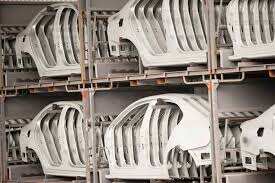
Auto body steel thickness is a critical factor in modern vehicle manufacturing, playing a vital role in both safety and performance. The thickness of automotive steel panels typically ranges from 0.5mm to 2.5mm, carefully engineered to provide optimal structural integrity while maintaining fuel efficiency. Modern automotive manufacturers utilize advanced high-strength steel (AHSS) with precisely calculated thickness variations across different vehicle components. The hood and door panels often feature thinner steel sections around 0.6mm to 0.8mm to reduce weight, while structural components like pillars and rocker panels use thicker steel up to 2.0mm or more for enhanced crash protection. The selection of steel thickness also considers factors such as corrosion resistance, formability during manufacturing, and cost-effectiveness. Engineers employ sophisticated computer modeling to determine the ideal thickness for each component, ensuring the perfect balance between structural rigidity and weight reduction. This precise engineering approach has revolutionized vehicle design, enabling manufacturers to meet stringent safety standards while improving fuel economy and reducing environmental impact.

New Product Recommendations

The strategic implementation of varied auto body steel thickness offers numerous advantages in modern vehicle production. First, it enables manufacturers to achieve optimal weight distribution, resulting in better handling and reduced fuel consumption without compromising structural integrity. The use of different steel thicknesses allows for targeted reinforcement in critical safety zones while maintaining lighter weight in less crucial areas. This approach has proven particularly beneficial in meeting increasingly stringent fuel efficiency standards while ensuring passenger safety. Additionally, varying steel thickness helps optimize production costs by using thicker materials only where necessary, reducing overall material usage and manufacturing expenses. The ability to precisely control steel thickness also enhances vehicle aerodynamics through better panel fitting and reduced wind resistance. Modern manufacturing techniques allow for seamless integration of different steel thicknesses, improving overall vehicle quality and durability. This technology also facilitates better crash energy absorption, as thicker steel sections can be strategically placed in impact zones while maintaining lighter panels elsewhere. The result is a vehicle that offers superior protection, improved performance, and better fuel economy, all while maintaining competitive production costs.

Practical Tips

Jiangsuyansteel to Showcase Solar Mounting Solutions at The Smarter E Europe 2025

09

Jul

Jiangsuyansteel to Showcase Solar Mounting Solutions at The Smarter E Europe 2025

View More
Jiangsu Yansteel & HBIS ChengSteel Partner to Advance High-Performance Materials for Renewable Energy

09

Jul

Jiangsu Yansteel & HBIS ChengSteel Partner to Advance High-Performance Materials for Renewable Energy

View More
Jiangsu Yansteel & POSCO (Thai) Partner to Meet Thailand’s Growing Demand for High-Quality Specialty Steel in Appliance Manufacturing

09

Jul

Jiangsu Yansteel & POSCO (Thai) Partner to Meet Thailand’s Growing Demand for High-Quality Specialty Steel in Appliance Manufacturing

View More

Get a Free Quote

Our representative will contact you soon.
Email
Name
Company Name
Message
0/1000

auto body steel thickness

Enhanced Safety Through Strategic Thickness Distribution

Enhanced Safety Through Strategic Thickness Distribution

The strategic distribution of auto body steel thickness represents a cornerstone of modern vehicle safety design. By carefully varying the thickness of steel panels throughout the vehicle structure, manufacturers create designated crumple zones that absorb and dissipate impact energy during collisions. Critical areas such as the passenger compartment utilize thicker steel sections, typically ranging from 1.5mm to 2.5mm, creating a robust safety cage that protects occupants. This approach is complemented by thinner sections in less critical areas, which help manage impact forces while optimizing overall vehicle weight. Advanced computer simulations and real-world crash testing validate these thickness variations, ensuring they perform optimally in various collision scenarios.
Weight Optimization and Fuel Efficiency

Weight Optimization and Fuel Efficiency

The precise control of auto body steel thickness plays a crucial role in achieving optimal vehicle weight management. By utilizing thinner steel sections in non-structural panels, typically between 0.5mm and 0.8mm, manufacturers can significantly reduce overall vehicle weight without compromising structural integrity. This weight reduction directly translates to improved fuel efficiency and reduced emissions. Modern manufacturing techniques allow for the seamless integration of varying steel thicknesses, enabling designers to create vehicles that meet both environmental regulations and performance expectations. The careful balance of steel thickness across different components results in vehicles that maintain excellent handling characteristics while minimizing fuel consumption.
Manufacturing Cost Efficiency

Manufacturing Cost Efficiency

The strategic application of varied auto body steel thickness significantly impacts manufacturing cost efficiency. By implementing precise thickness control in different vehicle sections, manufacturers can optimize material usage and reduce waste. This approach allows for the use of more expensive, thicker steel only where structurally necessary, while utilizing cost-effective thinner sections in other areas. The result is a more economical production process that maintains high quality standards. Advanced manufacturing techniques, including laser welding and automated assembly, have made it possible to work with different steel thicknesses efficiently, reducing production time and labor costs while ensuring consistent quality across all components.

Get a Free Quote

Our representative will contact you soon.
Email
Name
Company Name
Message
0/1000